


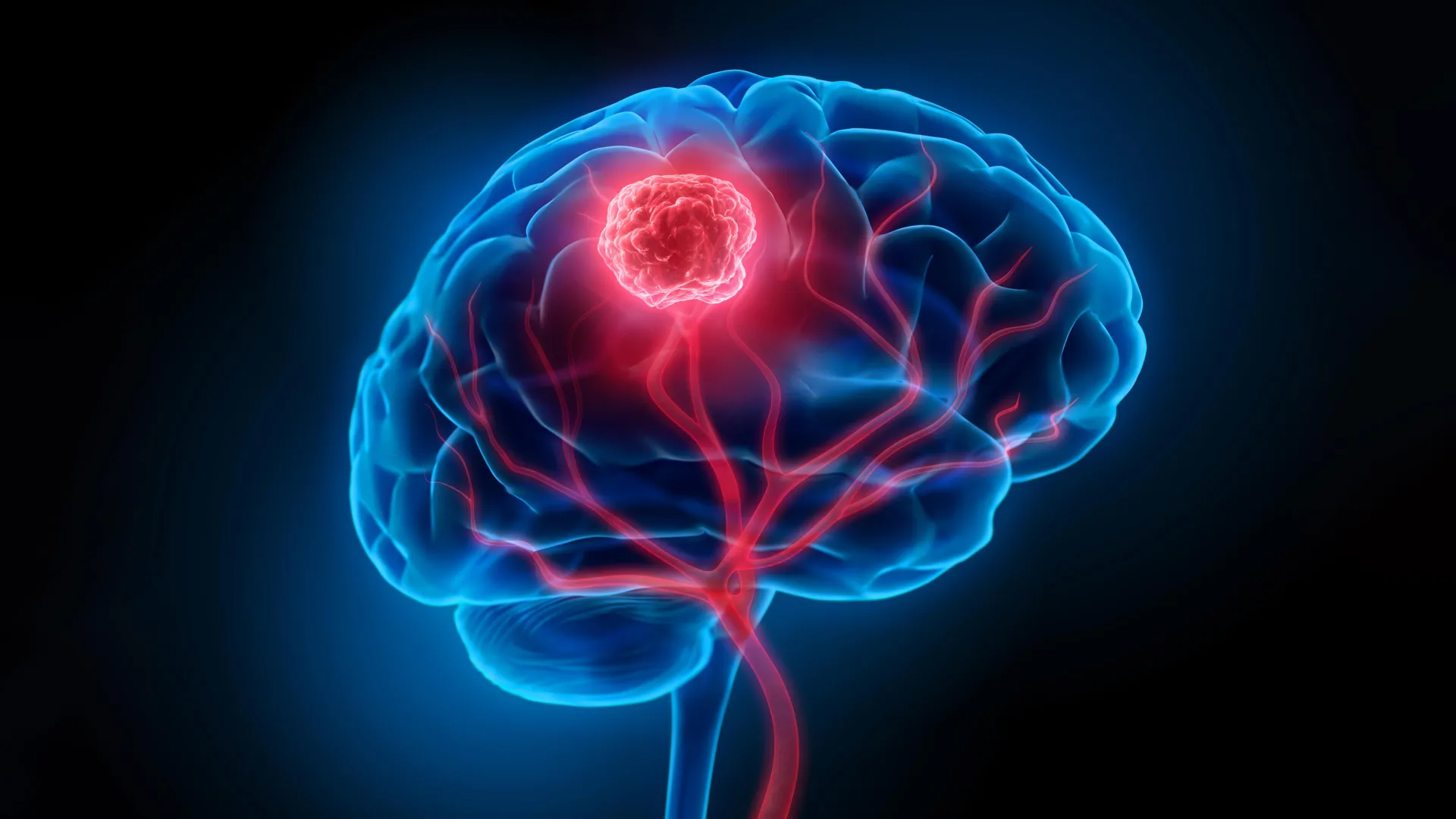
Scientists at UC San Francisco have developed a new type of immune cell therapy that activates only after entering the brain, allowing it to attack cancer while remaining inactive elsewhere in the body.
In experiments involving mice, the engineered cells successfully eliminated diffuse midline glioma (DMG), an aggressive childhood brain cancer that spreads into surrounding healthy tissue. The treatment also provided lasting protection. When researchers introduced cancer cells again several weeks later, the immune cells continued fighting and prevented new tumors from developing.
DMG is among the most difficult childhood cancers to treat. It grows into the brainstem, a critical region that regulates breathing, heartbeat, and swallowing. Nearly all children diagnosed with the disease die within a year, and existing treatments have had little success in stopping its progression.
The experimental therapy, called B-SYNC CAR-T, could offer a new way forward. Unlike conventional CAR-T treatments, which have struggled against brain tumors, these modified immune cells are programmed to activate their cancer-fighting machinery specifically within the brain. Researchers suspect this targeted approach makes the cells more effective, although the precise reason remains unclear.
The promising results have prompted scientists to prepare for clinical trials at UCSF Health, potentially beginning as early as April 2027.
“It’s been a struggle to make CAR-T cells that overcome DMG without causing unacceptable side effects,” said Hideho Okada, MD, PhD, a professor of Neurological Surgery at UCSF and co-corresponding author of the study, published October 28 in Science Translational Medicine. “By limiting B-SYNC’s CAR expression to when and where it matters — in the brain — we saw consistent, total shutdown of DMG tumors in the lab.”
Engineering Smarter CAR-T Cells to Fight Brain Cancer
B-SYNC builds on years of research by Okada and Wendell Lim, PhD, a professor of Cellular and Molecular Pharmacology at UCSF. Their goal has been to develop immune cells that can recognize and destroy brain tumors with greater precision.
CAR-T therapy works by modifying the body’s T cells, a type of immune cell, so they carry special receptors called CARs. These receptors recognize proteins on cancer cells and trigger an immune attack. Although CAR-T treatments have shown success against certain cancers, brain tumors have remained particularly difficult to overcome.
In 2021, Okada and Lim reported encouraging laboratory findings with an earlier therapy called E-SYNC, designed to treat glioblastoma, another aggressive form of brain cancer.
E-SYNC uses a molecular sensing system known as synNotch to identify EGFRvIII, a mutated protein found on some glioblastoma cells. When this protein is detected, synNotch directs the immune cell to produce a CAR that recognizes two additional tumor-associated proteins, EphA2 and IL13Rα2. This two-step process proved more effective than conventional CAR-T strategies that rely on a single activation step.
However, the approach had an important limitation. Only about 20% of patients have tumors containing EGFRvIII. Even when the protein is initially present, tumors can lose it as treatment eliminates the cancer cells carrying it. This allows remaining cancer cells to escape detection.
To overcome that problem, the researchers searched for a more dependable signal that could activate the therapy in a wider range of patients.
A Molecular Switch That Activates Inside the Brain
The scientists identified brevican, a protein naturally distributed throughout the brain, as a promising alternative.
They redesigned the synNotch system so that it would trigger CAR production only when it encountered brevican. Once activated, these “B-SYNC” CAR-T cells could search for cancer cells carrying EphA2 or IL13Rα2, even if those cells lacked EGFRvIII.
This meant the engineered immune cells no longer depended on a tumor-specific mutation to become active. Instead, they used a protein associated with the brain itself as the signal to begin their attack.
Although B-SYNC was initially developed for glioblastoma, the researchers recognized that it might also work against DMG. Both cancers commonly display EphA2 and IL13Rα2 on their tumor cells, making them potential targets for the same treatment.
Senthilnath Lakshmanachetty, PhD, a postdoctoral researcher in Okada’s laboratory, led experiments to investigate whether B-SYNC could successfully attack this deadly childhood cancer.
New CAR-T Therapy Eliminates Brain Tumors in Mice
The researchers first administered B-SYNC CAR-T cells intravenously (IV) to mice implanted with human DMG cells.
Some of the engineered immune cells traveled through the bloodstream and entered the brain. Once there, they began producing the cancer-targeting CAR receptors and attacking tumor cells.
Importantly, this activation appeared to occur only in the intended location. B-SYNC cells elsewhere in the body, including those circulating in the blood or present in the spleen, did not produce the CAR receptors.
That was “just as we designed it,” Lakshmanachetty said.
The team next examined whether delivering the treatment directly into the brain would produce stronger results. They administered B-SYNC using an intracerebroventricular (ICV) injection, which introduces the cells into the brain’s fluid-filled ventricles.
The results were striking. In two mouse models containing human DMG tumors, the treatment completely eliminated the cancer in every mouse tested. Conventional CAR-T cells, by comparison, were unable to bring the tumors under control.
The findings suggested that activating the engineered immune cells specifically within the brain could overcome some of the obstacles that have limited earlier CAR-T treatments.
Immune Cells Keep Fighting Long After Tumors Disappear
Destroying the original tumors was only part of the achievement. The researchers also wanted to determine whether the engineered immune cells could remain active and protect against cancer returning.
Nearly seven weeks after the initial treatment, they introduced another round of DMG cells into mice that had already received B-SYNC.
Every treated mouse rejected the new cancer cells, demonstrating that the therapy’s protective effects continued well beyond the initial elimination of the tumors.
Further observations showed that B-SYNC cells remained functional more than 70 days after treatment.
One possible explanation involves a problem known as T cell exhaustion. When immune cells remain activated for extended periods, they can gradually lose their ability to attack cancer effectively. By preventing CAR activation until the cells reach the brain, B-SYNC may help preserve their strength for when they encounter tumor cells.
The researchers believe this could be an important reason why their approach performed better than conventional CAR-T therapies.
“We didn’t expect B-SYNC CAR-T cells to necessarily persist,” Lakshmanachetty said. “But they are still patrolling for cancer over 70 days out — and they’re still very functional.”
Human Trials Could Begin in April 2027
With the laboratory results demonstrating both tumor elimination and lasting immune activity, the UCSF team is now working to move B-SYNC into human testing.
Okada, Lim, and Lakshmanachetty are collaborating with UCSF cancer specialists to prepare clinical trials. The proposed treatment will use each patient’s own T cells, which will be genetically modified to become B-SYNC CAR-T cells.
The transition from laboratory research to clinical testing is moving relatively quickly, reflecting the encouraging findings from the animal experiments.
The first trial will be led by UCSF physicians Marie Jaeger-Krause, MD, and Sabine Mueller, MD, PhD. Researchers plan to evaluate different combinations of intravenous delivery and direct administration into the brain.
For patients receiving ICV treatment, surgeons will implant a shunt connecting the brain’s ventricles to a reservoir positioned beneath the scalp. This system will allow doctors to administer repeated doses of the engineered immune cells without requiring a new surgical procedure each time.
Although the treatment has not yet been tested for effectiveness in humans, its ability to completely eliminate tumors and prevent their return in mice has generated considerable optimism.
“Diffuse midline glioma is a heartbreaking diagnosis for patients and their families,” said Mueller, director of the UCSF Pediatric Brain Tumor Center, UCSF professor of Neurology, Neurosurgery, and Pediatrics, and co-founder of the Pediatric Neuro-Oncology Consortium (PNOC). “This preclinical data is very promising. Mice with DMG are being cured, and we are incredibly excited to bring this therapy to the children and young adults we care for. This is exactly the kind of innovative approach they deserve.”










Leave a comment