


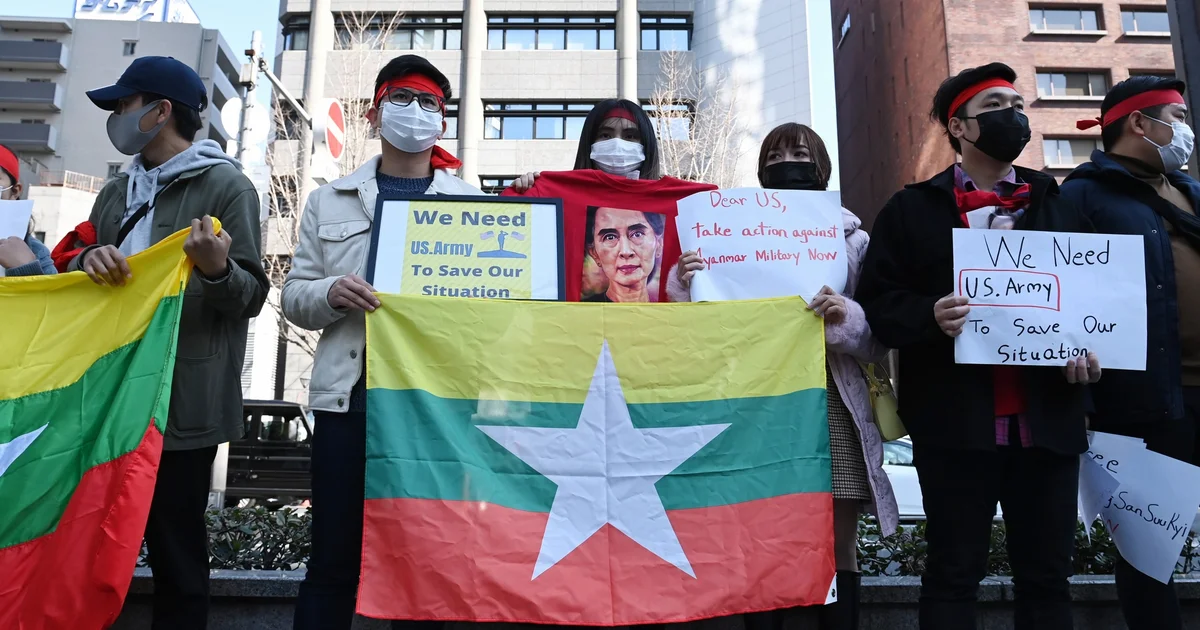
Overall, there are six main profiles of Myanmar nationals applying for designated activities status: (1) those unable to return because of security concerns; (2) technical interns who completed their placement but did not move to another status; (3) interns who left before completing their placement; (4) university graduates seeking work; (5) Japanese-language-school graduates; and (6) vocational-school graduates. These categories can also overlap and show that the status serves purposes beyond emergency protection.
They also blur the humanitarian boundary. With work rights attached and refugee recognition so narrow, people with genuine protection needs and graduates who may use the status to move into insecure work rather than continue studying can follow similar paths, so activity alone cannot separate protection from labour migration.
This distinction matters because the standard pathway for many Myanmar nationals has run through universities or vocational schools into skilled employment or “specified skilled worker” status – a route that rewards sustained study and credential-building. The designated activities route, in contrast, can offer a more immediate alternative with lower entry requirements and fewer of the disciplinary anchors of formal education pathways.
This raises a genuine concern that some students might under-invest in credentials. If it holds, the costs could be real. Especially for language- or vocational-school students, it may mean trading future career development for lower but more immediate short-term benefits as they become concentrated in insecure and low-mobility employment. For employers, reliance on short-term statuses could create uncertainty and disincentivise the employment of Myanmar nationals.
For Japan, it could reduce the human-capital returns from educating international students. For Myanmar, it may mean lower levels of education and training, as well as fewer economic resources among future generations who might eventually return to rebuild the country.
None of this is an argument for closing this channel down. The emergency measure was implemented precisely because the current political crisis is unpredictable. Yet the current trend is still concerning. When designated activities becomes a catch-all category covering both genuine protection cases and alternative routes into Japan’s labour market, it creates pressure for broader restrictions.
Evidence from technical interns and trainees shows why the distinction matters. Myanmar trainees who disappeared from their workplaces (Opens in new window) increased sharply in 2023. Japan responded in October 2024 by changing the rules for trainees (Opens in new window) who leave without a recognised reason. They no longer qualify automatically for the one-year designated activities status and may initially receive a more restricted six-month status. The Immigration Services Agency linked this revision to inappropriate use of the emergency measure.
The tightening shows that officials perceive misuse. The trainee program has long been criticised for labour-law violations, abuse and limits on changing employers (Opens in new window), and legislation passed in 2024 (Opens in new window) will replace it from 2027. Measures intended to prevent misuse could therefore disadvantage individuals with legitimate protection needs.
Students may also be responding rationally to costs. A big challenge is to make education and skilled employment financially worthwhile. Japan’s consumer prices rose 3.2% (Opens in new window) in 2025, adding pressure to immediate living expenses and compounding tuition fees and earnings forgone while studying. Restricting the emergency route without addressing unattractive wages could deepen insecurity while leaving the reasons for avoiding standard pathways unresolved.
Japan needs to separate protection more clearly from transitions into work or further study. That starts with widening access to refugee procedures. Protection-based cases should retain accessible procedures and work rights while insecurity continues. Meanwhile, authorities need to assess applications by designation and previous status, and determine protection needs independently of academic performance or earnings. Given the cost pressures on students, wage policy should also address purchasing power as living costs rise, and employers should offer transparent pay increases that reward skills and experience. Minimum-wage policy alone cannot ensure a return to standard pathways.
Any measures against misuse should assess individual conduct and recognise workplace abuse without withdrawing protection from people who cannot safely return to their home country.









Leave a comment