


The answer is a division of labour: pilot in minilaterals, consolidate in ASEAN. Small groups of willing partners are well suited to trialling new forms of cooperation, from shared maritime surveillance to joint coast guard training, and refining them through practice. Once an initiative shows results – vessels tracked, crews trained, procedures tested at sea – it can be opened to every member through ASEAN-led forums, giving it regional ownership and staying power. That is how minilaterals become enablers of ASEAN rather than substitutes for it.
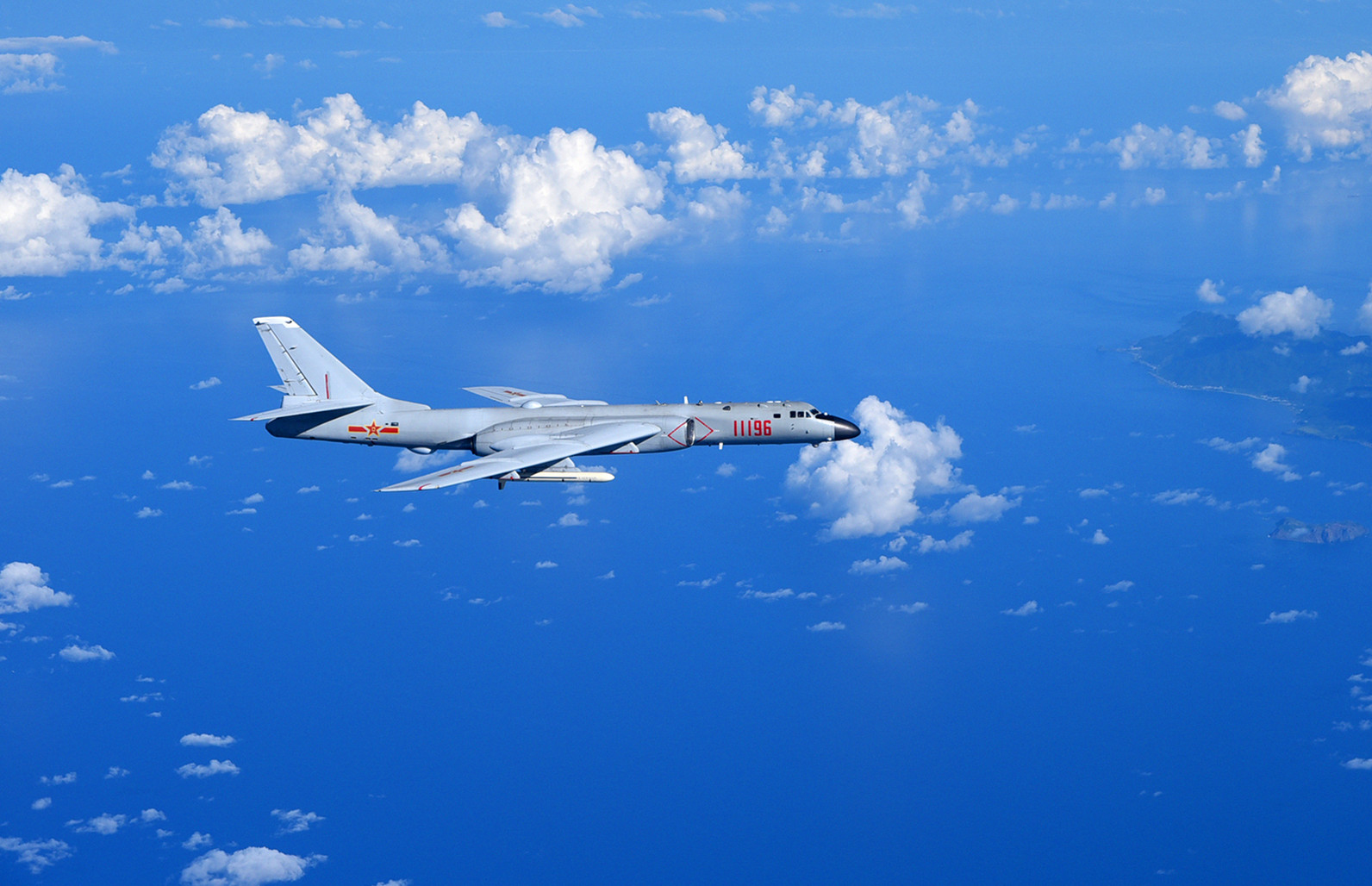
The maritime domain shows why this matters. At sea, the pressure is constant. In the South China Sea in July, a dozen Chinese coast guard ships, backed by maritime militia, fired water cannon (Opens in new window) at Philippine vessels near Scarborough Shoal. Manila wants to conclude (Opens in new window) a code of conduct this year, but the hardest issues remain unresolved. Against this kind of grey-zone coercion, practical cooperation among a few capable partners can achieve what consensus cannot.
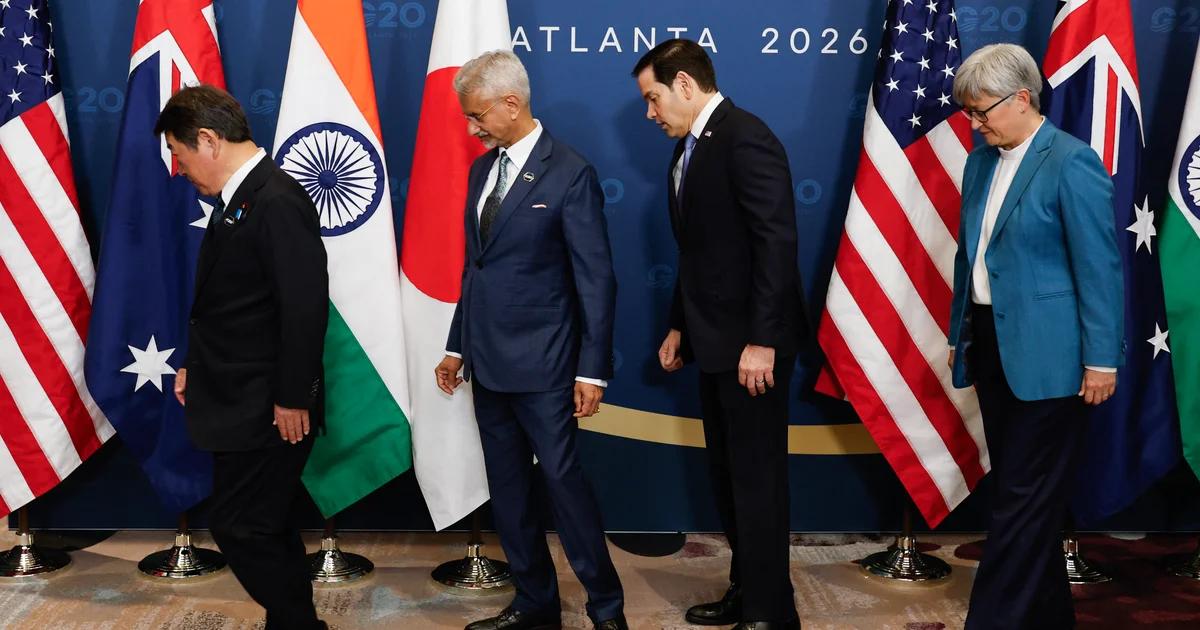
Yet the Quad’s own focus is drifting. Its statements have long affirmed “ASEAN centrality”. But when its foreign ministers met in Atlanta on 31 October, their joint statement (Opens in new window) mentioned neither ASEAN centrality nor the South China Sea, focusing on the Strait of Hormuz, critical minerals and artificial intelligence. Holding the leaders’ summit in ASEAN’s house will put that gap on display.
Australia should use Manila to close it, with four priorities.
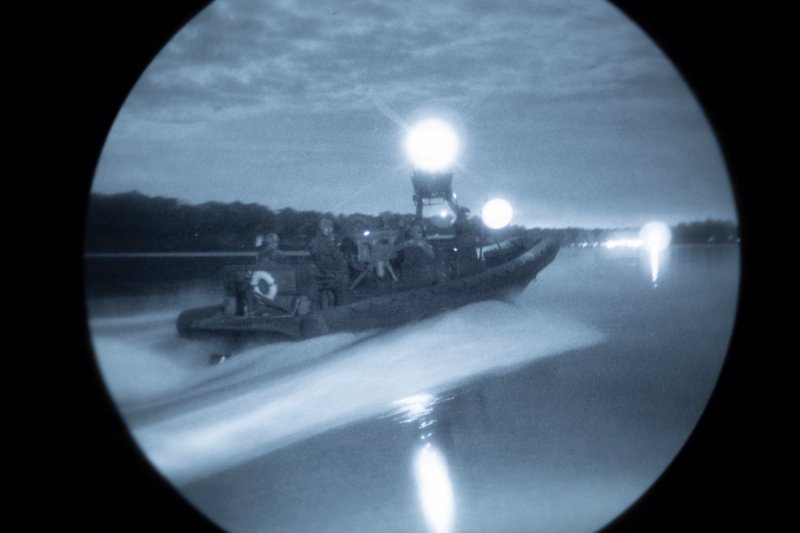
First, turn surveillance into capability. Through its maritime domain awareness partnership (Opens in new window), the Quad already offers satellite data and training that help regional agencies track “dark” vessels that switch off their transponders.
But data alone changes little. Recent (Opens in new window) research (Opens in new window) points to the real constraints: thin analytical capacity, agencies that do not share information, and too few vessels to respond. The Quad’s support should shift from supplying data to building capability partners own: trained analysts, national fusion centres and coordination between navies, coast guards and fisheries agencies.
Second, bring Southeast Asia’s coast guards on board. The Quad’s coast guard observer mission has so far involved only the four Quad countries. Officers from the Philippines, Indonesia, Vietnam and Malaysia should join the next one.
Third, protect undersea cables, which can be damaged in ways that are hard to attribute. Australia’s Cable Connectivity and Resilience Centre (Opens in new window) and the Quad’s cable work have focused on the Pacific. They should be extended to Southeast Asia, with repair capacity near chokepoints such as the Malacca Strait.
Fourth, build a path back to ASEAN’s own machinery. The ASEAN Defence Ministers’ Meeting-Plus (ADMM-Plus) already brings ASEAN, all four Quad members and China together. In September, under its maritime security working group co-chaired by the Philippines and Japan, all four Quad navies sailed alongside (Opens in new window) Southeast Asian ships in drills off the Philippines. Successful Quad initiatives should be channelled into the ADMM-Plus and the East Asia Summit, where the region can own them.
Australia is well placed to lead. It was ASEAN’s first dialogue partner and sits in both the Quad and the Squad. Canberra must brief Jakarta, Kuala Lumpur and Hanoi before and after Manila, so neither grouping is read as a bloc built in ASEAN’s backyard. And with Trump arriving in Manila after midterm losses that handed Democrats (Opens in new window) control of Congress, Australia, Japan and India must fund and staff these initiatives so they outlast shifts in Washington’s mood.
The Quad has spent years saying it supports ASEAN centrality. Manila is the moment to show it, by working for ASEAN, not around it.










Leave a comment