


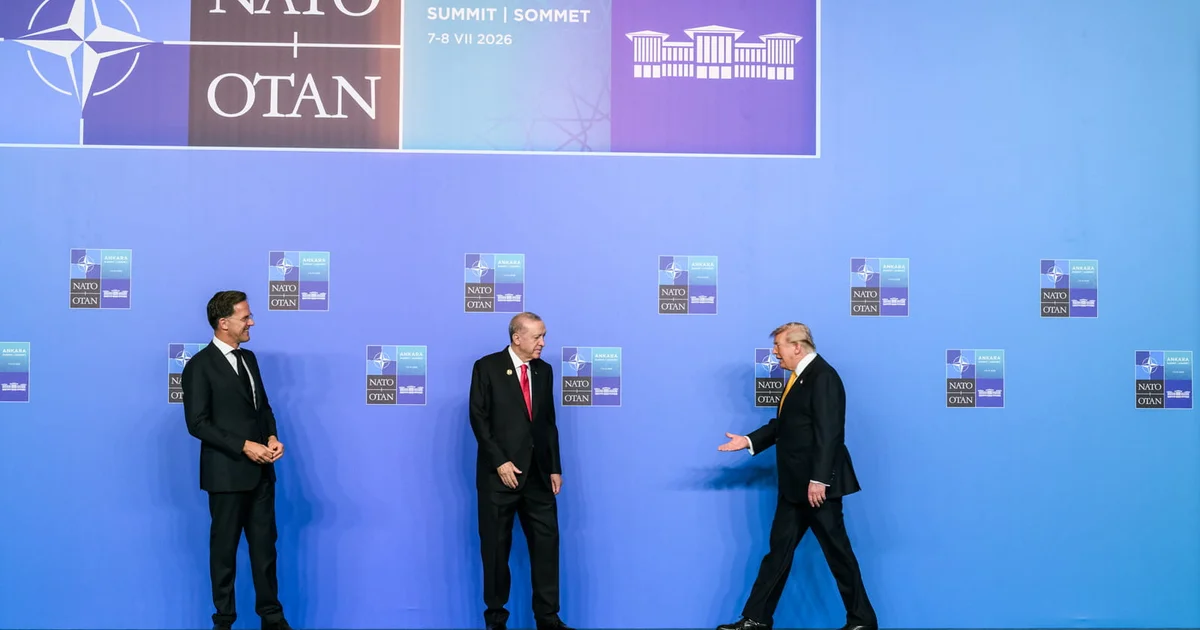
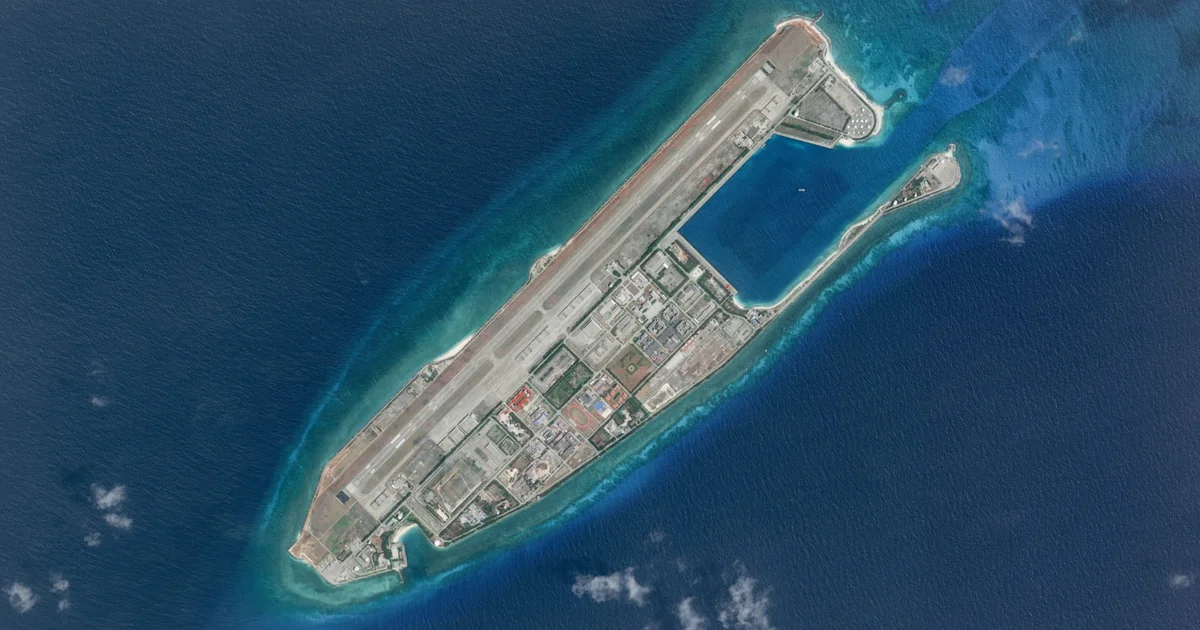
The Asia-Pacific does not have such a network. It faces the same strategic problem – arguably a more potent one given the static charge currently being stored in the South China Sea, ready to snap at the next available moment. And yet it lacks the collective architecture to readily find alternatives to unstable American capacity.
As every country in the region rebalances itself along the US-China axis, no country can simply wait for Washington’s mood to change and a new President to reset these relationships. Trump has proved a domestic political appetite for treating allies and alliances as transactional pawns rather than the old deal of using them as pillars that supported American leadership in the world.
Trump has now spent a decade telling American allies that they should depend less on the United States. He has used every tool at his disposal, and many that were never his to begin with, to make that case.
Allies are beginning to put plans in motion. They cannot entirely abandon the United States, and nor should they entirely. But the question has now emerged whether they can build enough regional strength, industrial capacity, and political coordination that an alliance with the United States becomes a choice made from resilience rather than a dependence on which the United States has relied for many decades.
That resilience is worth wanting on its own terms. A democratic order propped up by a single guarantor is an order only one election away from collapse. Spreading the load of defence, production, and political commitment across a wider set of capable states makes the entire system harder to break so that failure can be isolated and resolved.
The tragedy is the method. Trump is not wrong that the old arrangement needed correcting, and he may even be right that dependence over decades gave way to complacency. But the terms of the deal he is forcing on the world leaves countries questioning the costs of alliance rather than being persuaded of the benefits of sharing burdens.
The consequences of that question may well be the shape of the current Western order itself.











Leave a comment