


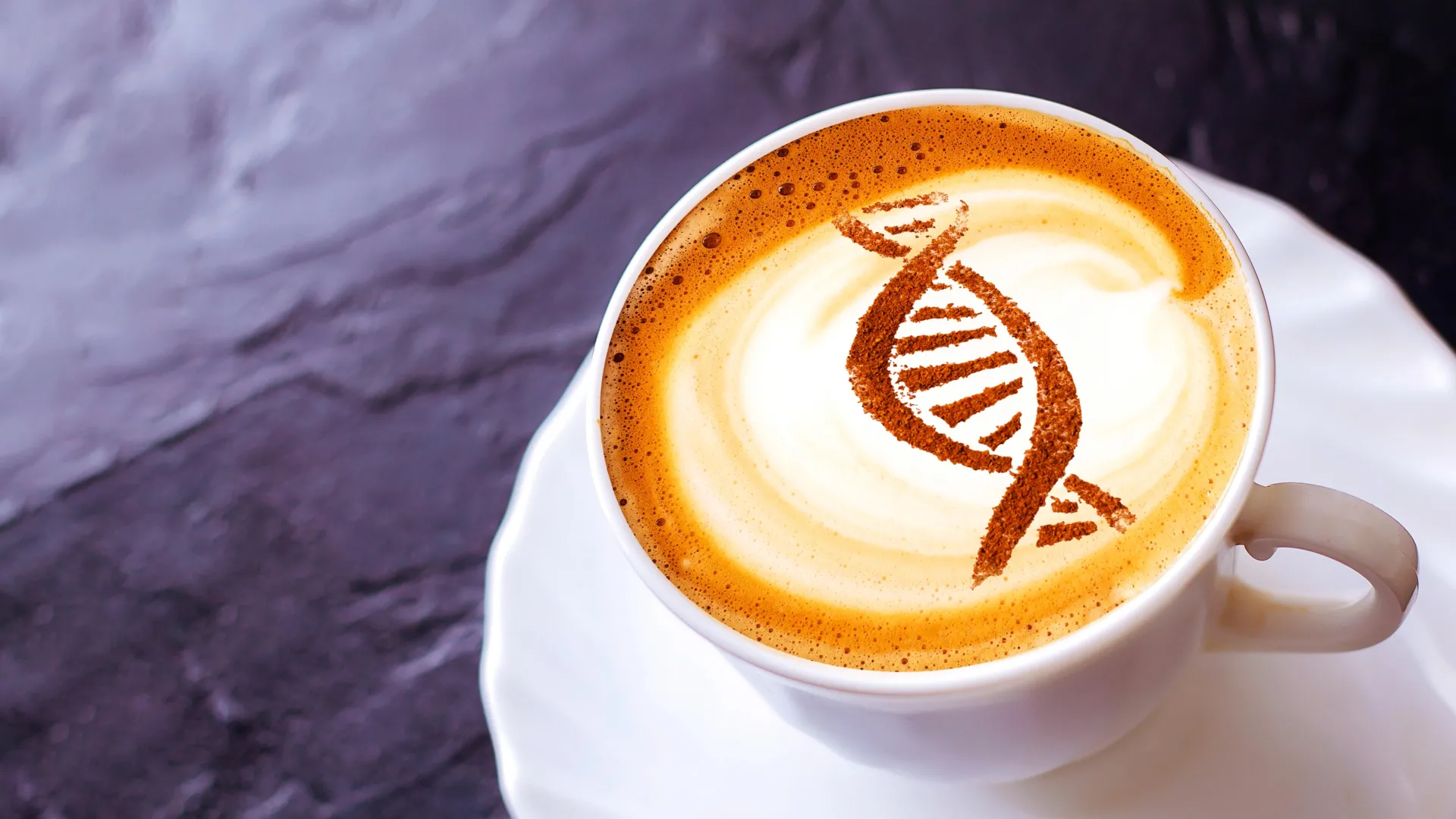
Your morning coffee may be doing more than helping you wake up.
Research from Queen Mary University of London suggests that caffeine can activate an ancient cellular energy system involved in growth, stress resistance, and DNA repair. Those processes are closely tied to aging, which could help explain why caffeine has been linked to potential health benefits in earlier studies.
The findings come from the Cellular Ageing and Senescence laboratory at Queen Mary University of London’s Centre for Molecular Cell Biology and were published in Microbial Cell.
Caffeine is the world’s most widely used neuroactive compound, meaning it affects the nervous system and brain activity. Most people know it for boosting alertness, but scientists have also been interested in its possible connection to a lower risk of some age-related diseases.
What has been less clear is how caffeine might produce those effects inside cells.
A Clue From “Mini-Human” Yeast
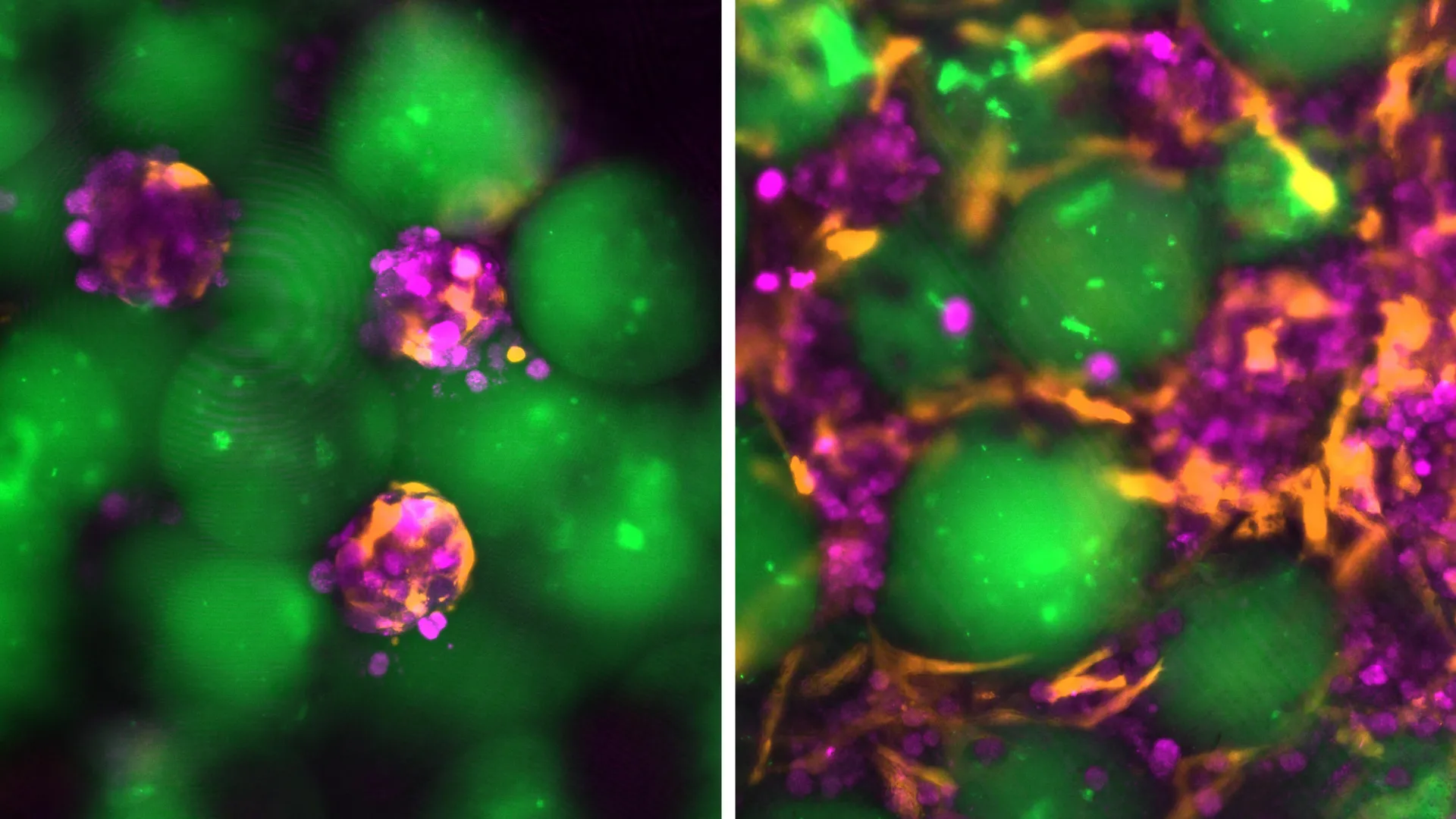
To investigate, the researchers turned to fission yeast, a single-celled organism that shares many important biological features with human cells.
Because of those similarities, fission yeast is sometimes called a “mini-human” and is widely used to study basic cellular processes.
The team found that caffeine appears to affect aging by tapping into a deeply conserved energy sensing system. In biology, conserved pathways are mechanisms that have remained similar through evolution because they perform essential jobs.
A few years ago, the same research group showed that caffeine could help cells live longer by influencing a growth regulator called TOR (Target of Rapamycin).
TOR acts like a cellular growth switch. It helps cells decide when to grow based on the amount of food and energy available.
That system is remarkably ancient. Versions of it have been regulating growth, energy use, and stress responses in living organisms for more than 500 million years.
Caffeine Does Not Act Where Scientists Expected
The latest study revealed a surprising twist.
Instead of acting directly on TOR, caffeine appears to work through another major cellular system called AMPK.
AMPK (AMP-activated protein kinase), is a cellular energy sensor that plays a vital role in maintaining metabolic balance. In simple terms, it works like a fuel gauge, helping cells detect when energy is running low and adjust accordingly.
“When your cells are low on energy, AMPK kicks in to help them cope,” explains Dr. Charalampos (Babis) Rallis, Reader in Genetics, Genomics and Fundamental Cell Biology at Queen Mary University of London, the study’s senior author. “And our results show that caffeine helps flip that switch.”
That finding matters because AMPK is found in both yeast and humans, making it an important target for researchers studying metabolism, aging, and disease.
The Metformin Connection
AMPK is also linked to metformin, a widely used diabetes drug that has drawn attention in longevity research.
Metformin is best known for helping control blood sugar, but scientists have also been studying whether it can influence biological pathways associated with aging. Rapamycin, another compound that affects growth-related signaling, is also being investigated for its possible effects on lifespan.
That makes caffeine’s connection to AMPK especially intriguing.
The researchers found that caffeine’s effects on this pathway can influence several cellular processes tied to aging and disease, including cell growth, stress responses, and DNA repair.
DNA repair is especially important because genetic damage can build up over time. If cells fail to repair that damage effectively, normal function can decline, and the risk of disease can increase.
What This Means for Aging
“These findings help explain why caffeine might be beneficial for health and longevity,” said Dr. John-Patrick Alao, the postdoctoral research scientist leading this study. “And they open up exciting possibilities for future research into how we might trigger these effects more directly — with diet, lifestyle, or new medicines.”
The study does not prove that drinking coffee will make people live longer. The experiments were carried out in fission yeast, and results from simple organisms do not always translate directly to humans.
Still, the fact that AMPK is shared across yeast and humans gives researchers a useful biological clue.
Caffeine may not simply stimulate the brain. It also appears capable of activating an ancient cellular system that helps regulate energy, stress, growth, and repair, all of which play important roles in how cells age.










Leave a comment