


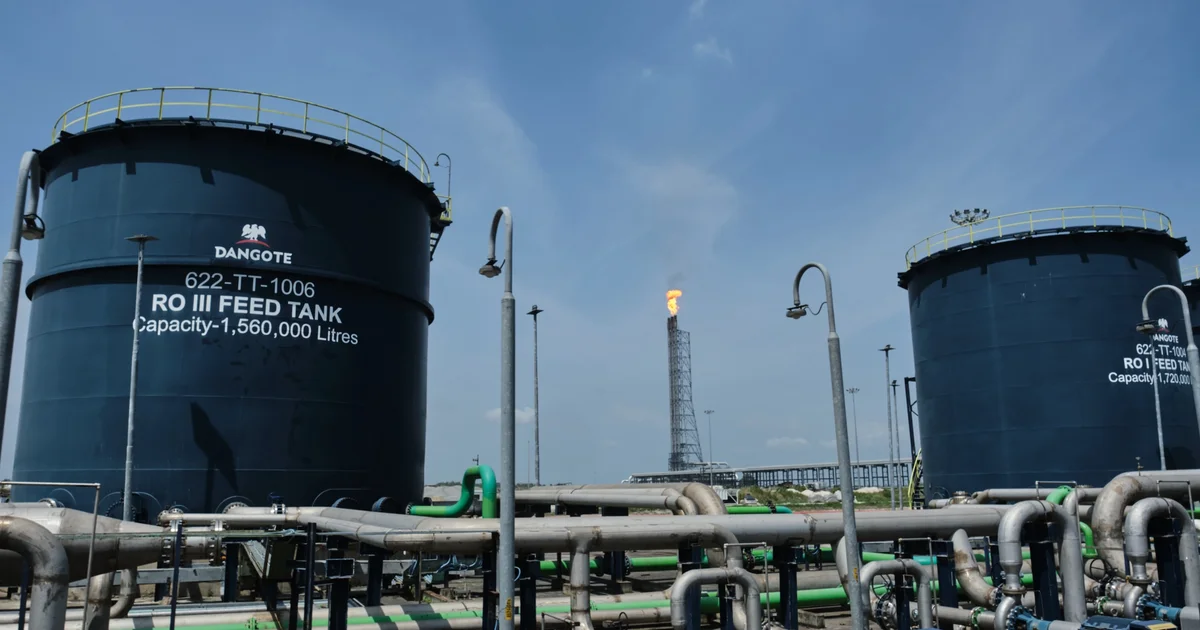
The arrival of Dangote in the Kenyan energy sector supports Nairobi’s long-conceived dream of creating a developmental corridor, the Lamu Port-South Sudan-Ethiopia Transport (Opens in new window) (LAPSSET) Corridor, which features several cross-border connectivity projects, including ports, pipelines, highways, and rail lines, and aims to open the landlocked region to business and development. While the logistical arrangements for transporting crude oil from other African producers, including South Sudan, Angola, and West African countries, to the refinery remain uncertain, Uganda’s crude oil can be transported relatively efficiently from Tanga to Lamu. Kenya’s crude oil resources from the Lokichar Basin in the northern part of the country are expected to supply feedstock to the proposed Lamu refinery.
Australia should pay attention for three main reasons. First, for diversification. East Africa will offer Australia as another source of petroleum supply in addition to its current concentration in Asia. Australia has recently been forced to look as far as Canada (Opens in new window) to offset the fuel crisis. If East African oil starts flowing, this would be a much closer and potentially cheaper option.
Second, Lamu and Tanga sit within Australia’s broader Indian Ocean strategic environment. Western Australia not only faces the Indian Ocean but is also Australia’s closest major geographic region to East Africa (just under 10,000 kilometres). Australia recognises the significance of the Indian Ocean, and yet “barely looks West (Opens in new window)”, paying more attention to the Pacific. An oil hub growing along the shores of the Indian Ocean offers a reason to shift view.
Finally, for economic diplomacy, Australia should strengthen relations with Africa, starting with littoral states such as Kenya and Tanzania, which serve as gateways to the interior. Australia could engage early in Africa’s emerging energy markets rather than arriving after the infrastructure has already been built. Dangote Group’s Nigeria-based facility – the largest refinery in Africa and the world’s 7th largest – has become Europe’s largest (Opens in new window) supplier of jet fuel, overtaking American suppliers. Africa also matters to Australia’s campaign to win a non-permanent seat on the UN Security Council in 2029.
Two considerations remain.
First, although Western Australia offers a potential entry point for East African petroleum, the closure of the Kwinana (Opens in new window) refinery means any opportunity would depend on import-terminal capacity, distribution infrastructure and the commercial viability of supplying refineries, such as Geelong on the other side of the country.
Second, energy security must be balanced against the clean-energy transition. While liquid fuels will remain essential (Opens in new window) to several sectors, potential East African supply arrangements must be assessed against likely demand, emissions and commercial viability. The objective is not to build Australia’s future around African oil, but to explore additional Indian Ocean supply options while reducing fossil-fuel dependence.













Leave a comment