


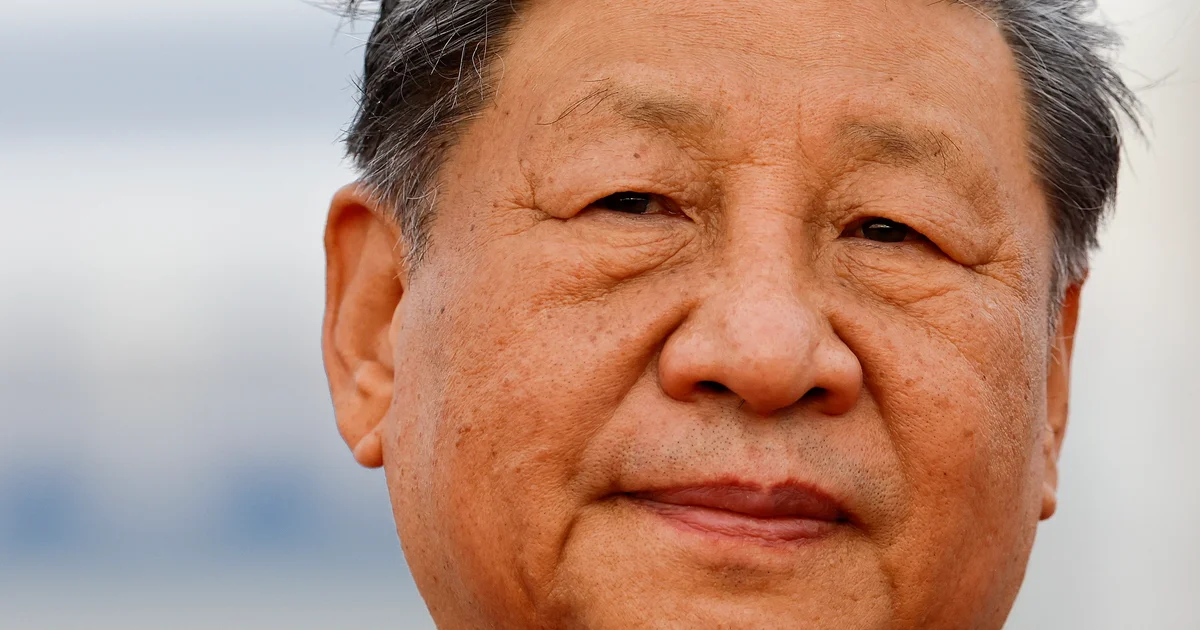
China–Japan ties have been in deep freeze for more than a year now since Japan’s Prime Minister Sanae Takaichi acknowledged (Opens in new window) in November 2025 that the use of force against Taiwan “could constitute a survival-threatening situation” for Japan, a form of words implying Japan would intervene militarily.
China reacted quickly, launching a campaign of vehement criticism, even claiming (Opens in new window) Japan was planning to return to the militarism of the 1930s and recolonise Taiwan. Political contact between Beijing and Tokyo was disrupted, as were cultural ties, tourism and trade, including Chinese exports of rare earth magnets and items with potential military uses.
China shows no sign of softening its position. On 6 November 2026, its Foreign Ministry spokesperson reiterated (Opens in new window) demands that Japan “correct the erroneous words and deeds on the Taiwan question, adopt a correct attitude on historical issues, and form an objective and rational perception on China”.
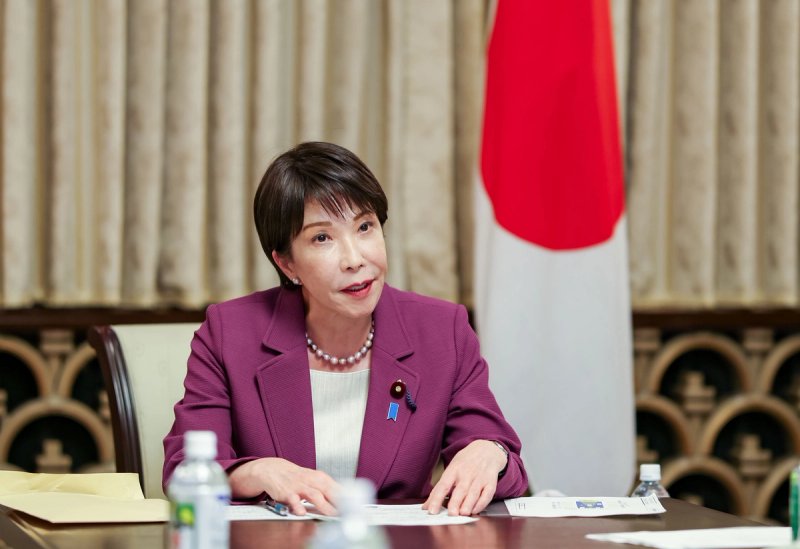
On one level, what Takaichi said was unremarkable, albeit more candid than is usual for a Japanese leader. US politicians have said similar things. But China has difficulty thinking straight when it comes to Japan. The intensity of its reaction can be explained by several factors:
- Takaichi was a new leader (in office less than three weeks at the time), female, with a hawkish reputation. Beijing wanted to establish early dominance and, if possible, force a backdown.
- Japan arouses particular sensitivities when it comes to Taiwan. It was the Qing Dynasty’s defeat by Japan in 1895 that ceded Taiwan to become a Japanese colony.
- The volatile China–US relationship had recently stabilised, providing a lower risk environment in which Beijing could punish Tokyo.
- Beijing opposes and hopes to weaken Japan’s current efforts (responding to China’s own massive military buildup) to increase defence spending and enhance its own capabilities.
No Japanese backdown has materialised. Tokyo has calmly stood its ground, while leaving open the door for dialogue.
China shows no interest in moving on. It has long sustained the legacy of Japan’s 1930s aggression as a bilateral pressure point, exploiting Tokyo’s awkwardness in acknowledging its past, and prodding South Korea and now others, like Russia, to join in.
China’s propaganda machinery operates in an echo chamber. It is adept at targeting a victim, but not suited to self-awareness or self-correction. Its rhetoric about resurgent militarism is overblown and ridiculous. The Japanese leaders who ought to have done more in facing up to the past have long since departed. It is futile to expect their successors to go any further, especially when their accusers hint at revenge while concealing their own more contemporary atrocities.
Beijing may have decided to wait Takaichi out. This is not without risk: while Japanese prime ministers usually turn over within two years, there are exceptions, notably Shinzo Abe, whose policy and ideological mantle Takaichi has inherited. Who is to say that Beijing’s pressure campaign will not serve to strengthen her politically? In the meantime, with a weakened US administration, Beijing would better win over this important neighbour, rather than humiliate it.
The upcoming regional summits – East Asia (16–17 November), APEC (18–19 November) and G20 (14–15 December) – offer potential for an initial rapprochement between leaders. The East Asia Summit might be more likely, since China is represented there by its premier, rather than its president, allowing President Xi Jinping to keep his distance from a potentially unproductive encounter. Otherwise, no immediate circuit-breaker is in sight.












Leave a comment