


The US midterm elections offer Australia a timely reminder that political alignments can change quickly but national interests endure. Australia can be confident in its alliance with the United States, regardless of domestic political change here or there, because the relationship is institutional.
But a series of upcoming elections in Indo-Pacific nations will also test whether the region’s security is based on long-lasting institutional foundations or if there is too much dependence on short-term personality politics.
Widespread political uncertainty amid international instability will be the backdrop for the Association of Southeast Asian Nations (ASEAN) summit in Manila next week as well as the expected Quad leaders’ meeting alongside it. With Canberra seeking to regain regional stability, long-term institutional resilience should be the priority.
It is uncertain who will represent Wellington at ASEAN, because New Zealand’s election on Saturday has not yet produced a winner. Canberra and Tokyo, among others, will hope that the current New Zealand government’s enthusiasm for international security will last. But this is hardly certain, given that another government not long ago was far less supportive of the Five Eyes intelligence grouping and defence spending.
France, itself a Pacific power, holds its presidential election next year. Populist parties have gained traction on both sides of the French political spectrum. The concern is that a radical shift in Paris could also shift foreign policy, particularly engagement with China and Russia. Domestic pressures favouring greater isolation could weaken the international commitments on which regional partners depend.
This is why institutionalised groupings – like the France Australia New Zealand Partnership on security and humanitarian assistance in the Pacific (known as FRANZ), the NATO IP4 and Group of Seven plus groups and even AUKUS – are so important as they all maintain European interest in the Indo-Pacific.
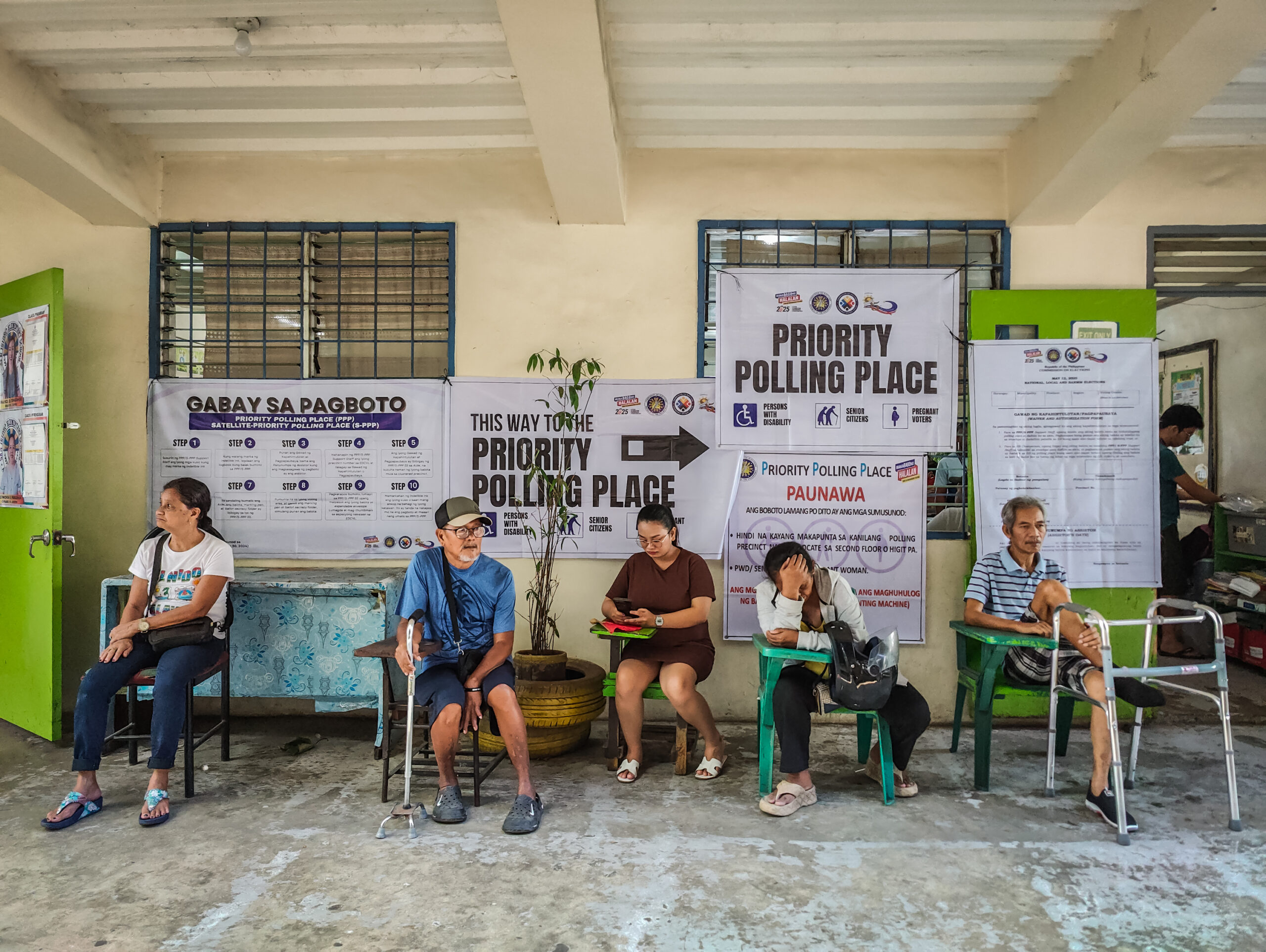
Meanwhile in Southeast Asia, several nations will go to the polls in the next couple of years. The Philippines presidential election in May 2028 will reveal the consequences of any lack of institutionalisation. Under Ferdinand Marcos Jr, Manila has strengthened defence cooperation with Australia, Japan and the US amid escalating tensions in the South China Sea. This contrasts with the previous Rodrigo Duterte administration’s accommodation of Beijing. In the face of a subdued ASEAN and a risk that a future administration could again recalibrate Manila’s foreign policy, it is incumbent on Australia to continue working with its Quad partners to institutionalise cooperation with Manila to withstand political turnover.
Australia faces its own pressures. Rising living costs mean Canberra must explain more convincingly how regional stability supports domestic prosperity, including through secure trade routes, resilient supply chains and reduced risks of conflict and transnational crime.
Six priorities should guide Australia’s approach.
First, strengthen institutional and societal resilience to political transitions. Australia should deepen cooperation with foreign universities, civil society organisations, local governments and professional institutions alongside national governments. Investments in information integrity, cybersecurity and emergency preparedness can sustain partnerships when political leadership changes. These relationships also strengthen local capacity to resist coercion and respond to crises.
Second, pursue principled diplomacy supported by practical conflict prevention. The centrality of ASEAN in engaging with Southeast Asia is a key feature of Canberra’s diplomacy, though foreign policy is more pragmatic. Canberra recognises that ASEAN’s consensus-based decision-making can delay responses to urgent security challenges, which is why bilateral and minilateral agreements are so vital. Building on the 2025 Australia-ASEAN commitments to conflict prevention and crisis management, Canberra should strengthen cooperation on critical infrastructure protection, civilian crisis response and regional confidence-building. Engagement should respect sovereignty while maintaining accountability and safeguards against political misuse.
Third, continue to encourage increased US engagement with ASEAN. Southeast Asian governments want the US engaged locally, knowing they need the US on the wall that protects them from a regionally peerless China. They know this helps preserve their strategic autonomy.
While there are always questions about individual presidents and the future of American foreign policy, don’t mistake tactical or operational shifts for change in strategy. The US will not get closer to Iran notwithstanding any diplomatic pause to the conflict. Nor will it end its strategic competition with China, the continuation of which is in the interests of all Indo-Pacific nations. Southeast Asian governments do not like great power tension, but they fear US absence. The region will watch whether domestic economic pressures encourage Washington to negotiate new trade arrangements with Beijing. If the US cannot stand up to Beijing’s economic pressure, no one can. Regardless, competition in security fields, from defence to frontier AI, will continue.
Fourth, Australia, India, Japan and the US should coordinate practical Quad initiatives on disaster preparedness, maritime safety and cyber incident response. Such cooperation would complement ASEAN-led mechanisms, demonstrate tangible benefits for Southeast Asian communities and sustain regional partnerships despite political changes among Quad members.
Fifth, the grouping of Australia, the US, Japan and the Philippines, informally referred to as ‘Squad’, should be regularised. And Washington and Canberra should join Tokyo and Manila in formalising the group’s name as the Squad.
Sixth, Canberra and Manila should upgrade their bilateral relationship to a Comprehensive Strategic partnership.
Political transitions across the Indo-Pacific are inevitable. Australia’s strategic advantage depends on its ability to build institutions, partnerships and public confidence that endure beyond electoral cycles.











Leave a comment