


The immune system relies on many different types of cells that work together after an injury. Among the earliest to reach damaged tissue are neutrophils, immune cells that were long viewed mainly as a cleanup crew responsible for removing debris.
New research from the Becker team shows that some neutrophils play a much more important role. A specific subgroup appears to help coordinate the immune response and shift it away from damaging inflammation toward conditions that support regeneration. The key signal involved is a molecule called Il-4.
Neutrophils Help Control Inflammation
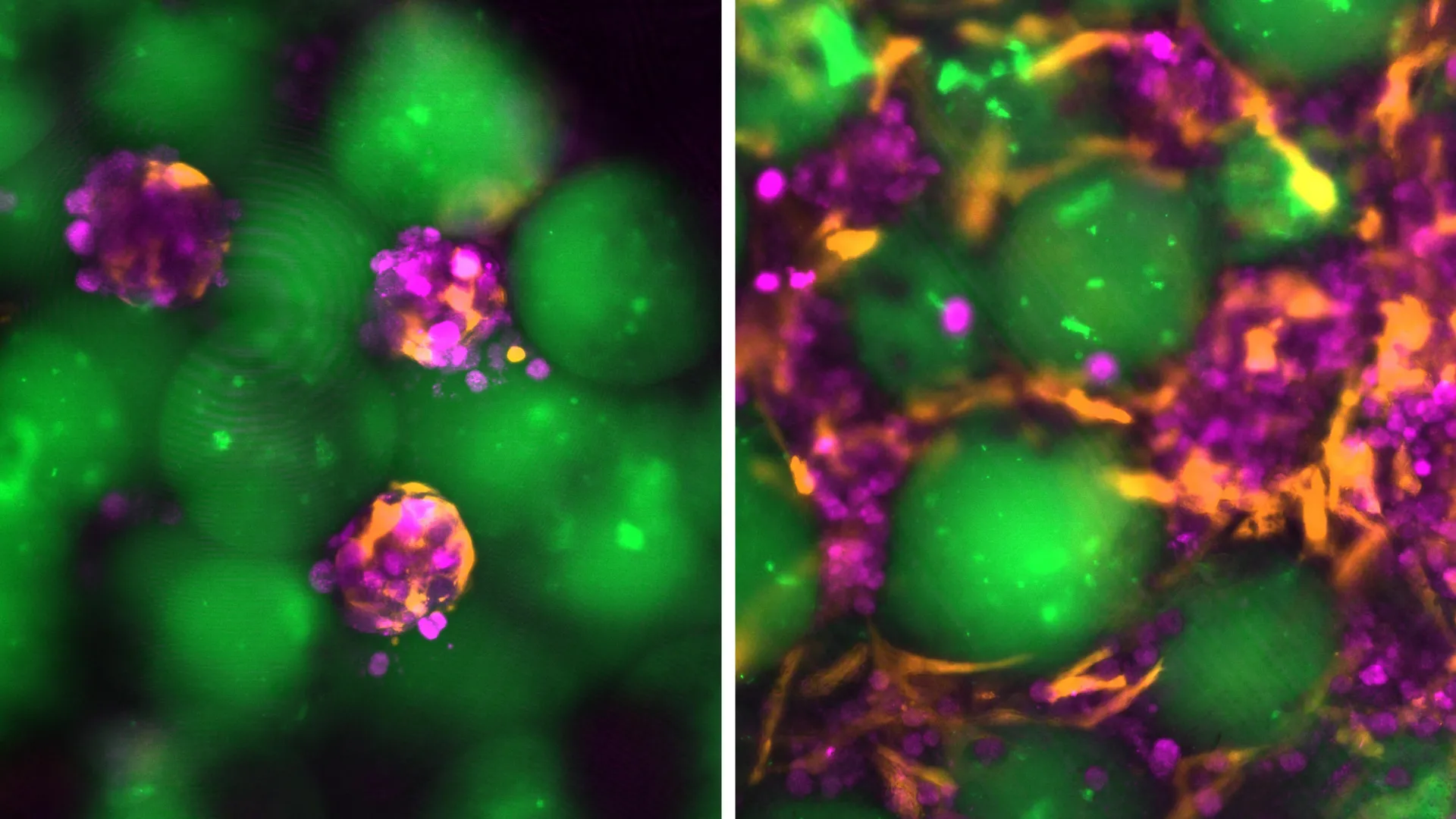
To investigate how neutrophils influence healing, the researchers studied larval zebrafish, which are able to regenerate damaged spinal cords. They focused on what happens when these immune cells and the Il-4 signaling molecule are active at an injury site.
When the researchers inactivated this particular group of neutrophils, the immune response became unbalanced. Other immune cells produced excessive amounts of highly inflammatory proteins, creating an uncontrolled reaction. As a result, the zebrafish were unable to properly regrow nerve fibers and had difficulty recovering their movement.
The outcome changed dramatically when the scientists added Il-4 directly to the injured area. Inflammation subsided, and the spinal cords regenerated perfectly, even though the neutrophils themselves were no longer present.
“For the first time, we have shown that neutrophils play a massive, active role in successfully repairing a spinal cord,” says Prof. Thomas Becker, who led the study. “They aren’t just there to clear away debris; they act like conductors that tell other immune cells to return to a harmonious rhythm. Without them, the immune system locks into a destructive cycle and prevents healing. By using the Il-4 molecule, the neutrophils smooth out the inflammation, allowing the delicate nerve fibers to grow right through the injury zone.”
Why Zebrafish Regenerate, but Humans Do Not
One of the major challenges in regenerative medicine is understanding why zebrafish can recover from spinal cord injuries while humans generally cannot. In people, the immune response following damage to the central nervous system can contribute to lasting injury rather than allowing damaged nerve tissue to regenerate.
Zebrafish offer researchers a valuable model for studying what makes successful regeneration possible. The findings reinforce the idea that carefully controlling inflammation is essential for healing. They also provide a clearer picture of how specific immune signals, delivered at the right time, can create conditions that allow nerve fibers to begin growing again.
Researchers now want to determine whether a similar process could operate in people.
“Of course, the question is to what extent our results apply to humans. It remains to be seen if Il-4 plays a similar role in humans and whether it can finely balance the inflammation, allowing for better healing at the injury site,” says Xiaobo Tian, who conducted the study. “It is definitely a very promising avenue for future studies in humans.”
The study was led by Xiaobo Tian and an international team of scientists at the Center for Regenerative Therapies Dresden (CRTD) at TU Dresden, the Cluster of Excellence Physics of Life, and the Centre for Discovery Brain Sciences at the University of Edinburgh. It was funded by the Chinese Scholarship Council and the Alexander-von-Humboldt Foundation.











Leave a comment