


A war which began (in 1739) with parliamentary inspection of an amputated organ (a severed ear belonging to a Captain Robert Jenkins (Opens in new window)) swelled and morphed into a Europe-wide conflict, the War of the Austrian Succession. Nobody would have imagined that a fracas with a few Spanish coastguards could have escalated so drastically. Probably too, few among the nations engaged would have imagined that such a major affray would end with nobody materially gaining territory or treasure.
Britain and France’s Suez fiasco of 1956 is often cited as an illustration of the need to ensure that the instigators’ interests align with those of their allies – in this case, Israel joined the plot, but crucially the United States did not. A better example might be the northeast American–Indian tribes during the 18th century. Then nations of intrepid warriors, many fighting with grotesque ferocity, allied themselves with one side or the other, British or American. They did not fully absorb the fact that – sooner or later – both those adversaries would want to appropriate all their lands.
The Peace of Westphalia (Opens in new window) (1648) is regularly cited as a model of statecraft, with the 30 blood-soaked years of calamitous war preceding that Treaty relegated to back-stage. As a more graphic example, the Treaty of Versailles (1919) resolved few of the geopolitical conundrums which had helped provoke the First World War, while creating borders, reparations schedules, grudges, grievances and infant regimes which contributed to the onset of the Second World War.
An obscure American Senator, George Aiken (Opens in new window), clings to fame on the basis of his 1966 prescription for ending the Vietnam war. Declare victory and go home was the gist of his advice. Even at the time Aiken conceded that “it may be a far-fetched proposal but nothing else has worked”. Acknowledging not just that nothing else had worked but that no alternatives could work would be chastening for any leader, certainly one as proud and anxious as Lyndon Johnson about Vietnam. So too would selling a victory in the face of evident defeat.
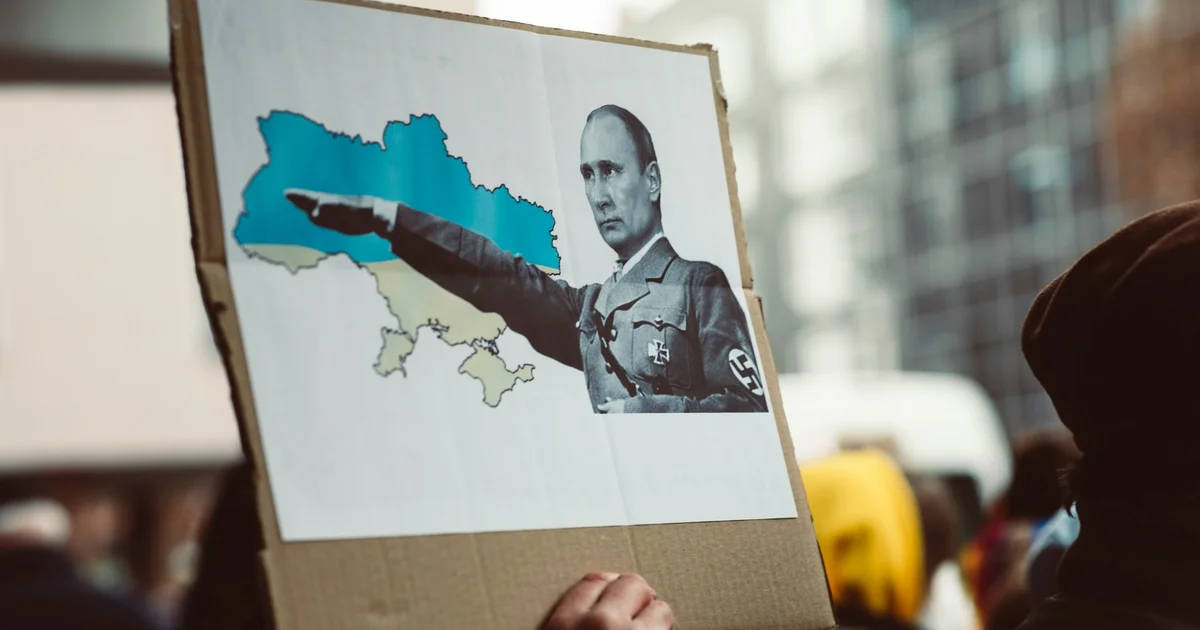
That said, there is a strand of practical, homespun wisdom in Aiken’s advice. During the interventions in Iraq and Afghanistan, Aiken’s advice must have seemed tempting. One happy, if unlikely, day Putin might consult Aiken about Ukraine.













Leave a comment