


That unease is already showing up across major developed bond markets (Opens in new window). Japan’s 10-year yield has risen to around 3%, from roughly 1.6% a year ago, reaching levels last seen in 1996. The United Kingdom’s 10-year gilt has climbed above 5.3%, its highest since 2008, while German yields have reached their highest levels in 15 years.
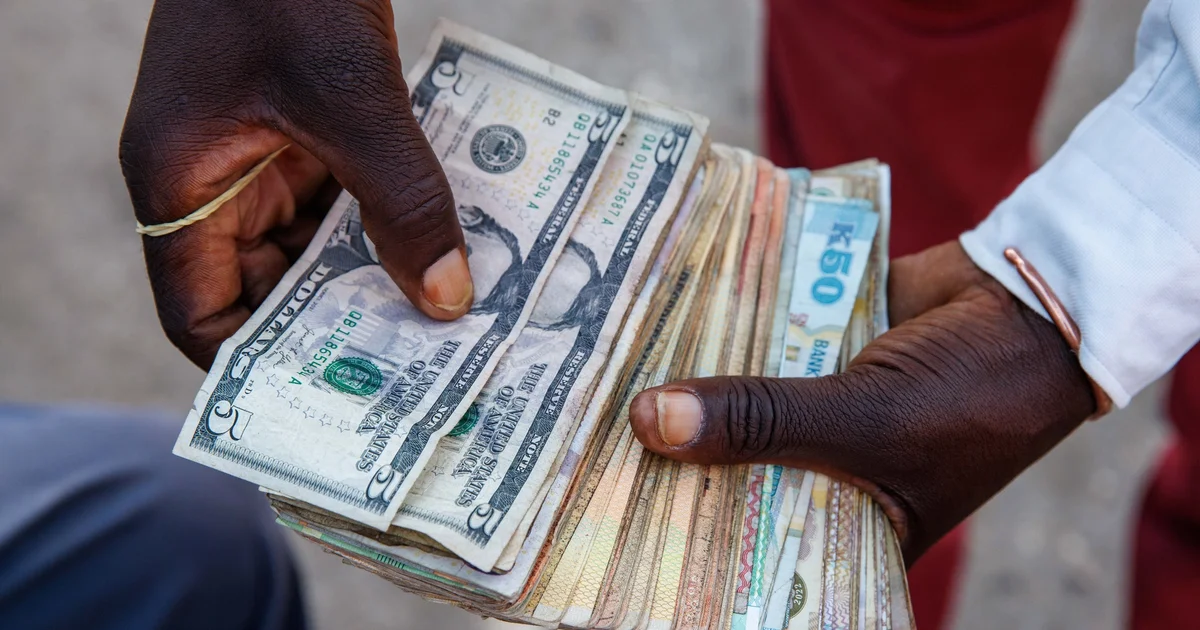
The African (Opens in new window) bond markets are moving the opposite way. Zambia’s 10-year yield has fallen to around 15.8%, its lowest since 2012. Kenya’s is around 12.5%, after touching a 13-year low earlier this year, while South Africa’s is around 9%, having fallen to its lowest since 2015 in February. Uganda’s 10-year yield is around 15.1%, close to the lower end of its range over the past year.
Those moves should not be collapsed into a single African story. Zambia’s lower yields reflect progress in restructuring its debt burden, which remains at high risk of distress. Kenya and Uganda have their own monetary and fiscal dynamics. Similar movements in yields can reflect very different underlying developments.
That variation is precisely why sovereign yields cannot be read as a simple measure of sovereign risk. Investors are being compensated for several things, including the possibility that they will not be repaid in full, the risk that inflation erodes the real value of repayment and the return they could earn by investing elsewhere.
Take, arguably, the world’s most developed economy. In the United States (Opens in new window), outright default remains an extremely remote risk. However, other forces are putting upward pressure on borrowing costs. Treasury issuance is heavy, quantitative tightening has reduced demand for bonds, and the private sector is competing aggressively for capital. Long-term market inflation expectations, meanwhile, remain relatively contained. That suggests the rise in yields cannot be explained simply by fears of higher inflation.
Seen through the same lens, South Africa offers a useful contrast. Its 10-year yield is now around 9%, having traded near 12% in mid-2024. The South African Reserve Bank has built credibility around its inflation objective and demonstrated a willingness to act when inflation risks rise. National Treasury projects an increasing primary surplus and a declining debt trajectory under its baseline assumptions.
Structural reforms in electricity, freight and other network industries have also begun to ease constraints that previously weakened the outlook.
Several of the components investors price into sovereign yields have therefore moved in South Africa’s favour at the same time.
Politics matters too, and more so when debt is high and fiscal choices become harder. Restoring fiscal space requires decisions over spending, taxation and reform, all of which create winners and losers. That demands political systems capable of sustaining difficult choices. In parts of the developed world, more fragmented politics has made that harder. South Africa, by contrast, is currently governed by a coalition (Opens in new window) anchored closer to the political centre and has so far delivered more policy continuity than many investors expected after the 2024 election.
That should not be confused with an absence of political risk. South Africa’s structural constraints have not disappeared. But for now, the probability of some of the more disruptive policy outcomes markets once feared appears to have fallen.
Even so, the recent rally does not put South African government debt on the same footing as US Treasuries or UK gilts. The rand introduces currency risk for foreign investors, public debt remains substantial and weak growth continues to constrain the outlook.
A sovereign can remain riskier than a traditional safe haven even as its borrowing costs fall. The reverse can also be true. A safe asset can become more expensive to fund without losing its relative status.
For African borrowers, lower yields can ease financing pressure and improve the economics of infrastructure and productive capacity investments. How much of that benefit reaches the real economy will depend on policy credibility and how effectively the capital is deployed.
The striking feature is that the same global backdrop pushing borrowing costs higher across major developed markets is coinciding with improving conditions for some less obvious borrowers. Stronger domestic fundamentals can matter enough to offset a harsher external environment. The next test is whether those better financing conditions translate into stronger investment and growth.
















Leave a comment