


Immunotherapies such as CAR T-cell therapy were originally developed mainly to fight cancer. But scientists are now investigating whether these personalized treatments, made from a patient’s own immune cells, could also help treat or even potentially cure autoimmune diseases.
Researchers at Charité – Universitätsmedizin Berlin have now tested CAR T-cell therapy in six people with particularly severe rheumatoid arthritis. The world’s first clinical trial of its kind, reported in Nature Medicine, produced encouraging early results. Disease activity fell substantially in every participant, and by the end of the observation period, three patients no longer needed rheumatoid arthritis medication.
Why Rheumatoid Arthritis Can Be So Difficult To Treat
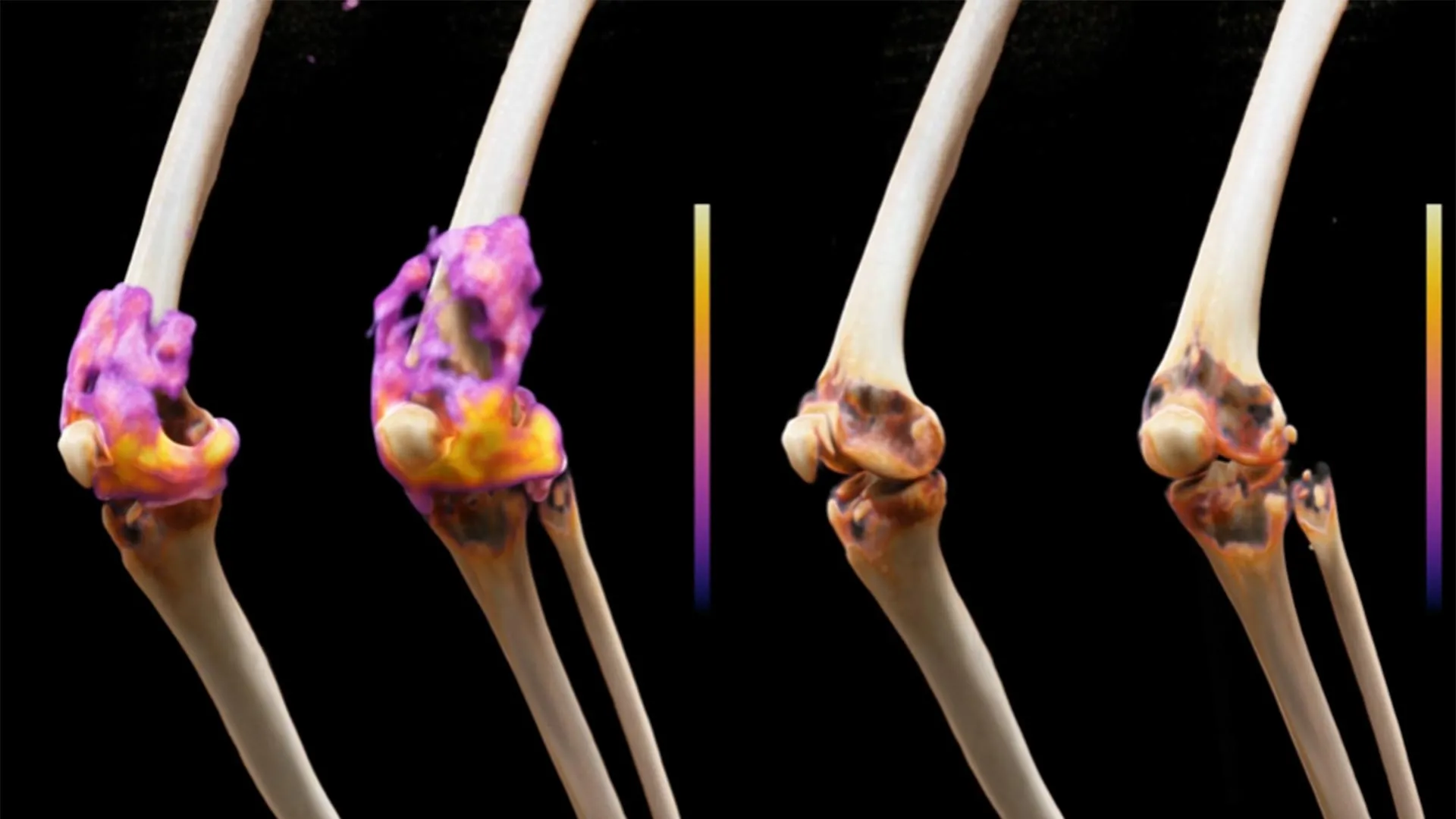
Rheumatoid arthritis is a chronic autoimmune disease in which the immune system mistakenly attacks the joints. Repeated inflammation causes swelling and can eventually damage the joints.
Existing medications are often effective at controlling inflammation, but they generally do not cure the disease. As a result, many patients need lifelong treatment with anti-inflammatory drugs and medications that suppress the immune system, which can also cause side effects.
For some people, even newer therapies do not work well enough. Doctors describe these cases as treatment-refractory rheumatoid arthritis. Patients can continue to experience pain, limited mobility, and major reductions in quality of life despite trying multiple treatments.
“One reason could be disease-driving B cells – memory cells of the adaptive immune system that may survive in the lymph nodes, bone marrow or joint tissue after an infection, where they produce harmful antibodies directed against the body’s own tissues and repeatedly reignite the inflammation,” explains Prof. David Simon, who designed the trial for this patient group together with Prof. Gerhard Krönke at Charité’s Department of Rheumatology and Clinical Immunology.
The researchers are testing whether CAR T cells can seek out these disease-driving B cells even when they are buried deep within body tissues. Their goal is to eliminate as much of the abnormal B-cell memory as possible and effectively give the B-cell system a new start.
Using Cancer Immunotherapy To Reset the Immune System
CAR T cells were first developed as a cancer treatment, but their potential uses are expanding. In cancer therapy, a patient’s immune cells are modified so they can recognize and destroy tumor cells. For autoimmune diseases, scientists instead want to direct those engineered cells toward immune cells that help sustain the disease.
“The identifying marker on many B cells, both abnormal B cells in cancers of the blood or lymphatic system and disease-driving B cells in rheumatoid arthritis, is the surface molecule CD19. You could think of it as a kind of ‘name tag’,” explains David Simon. “To enable CAR T cells to detect and eliminate the disease-causing cells, we equip patients’ own immune cells with a receptor that acts like a search sensor for CD19.”
To produce this form of CD19 CAR T-cell therapy, doctors first collect T cells from the patient’s blood. T cells are immune cells that normally help recognize and destroy infected or abnormal cells.
Scientists then genetically modify those T cells in the laboratory. The cells receive a chimeric, or artificial, antigen receptor known as a CAR, which is designed to bind specifically to CD19.
Before receiving the modified cells, patients undergo a short course of preparatory chemotherapy. This temporarily lowers the number of certain immune cells, creating room for the CAR T cells to multiply and function effectively.
The engineered cells are then returned to the patient in a single infusion. Once inside the body, they search for cells carrying CD19 and attack them. This temporarily removes all CD19-positive B cells, including long-lived disease-driving cells in the joints that can otherwise be difficult to reach. By clearing out those cells, the treatment may allow the immune system to reset.
First Trial in Severe Rheumatoid Arthritis
For the first clinical trial evaluating both the safety and effectiveness of CD19 CAR T-cell therapy in rheumatoid arthritis, the Charité team initially enrolled six patients with especially severe disease.
The group included three women and three men between the ages of 31 and 69. During the previous decade, they had received as many as eight targeted or biologic therapies, but none had controlled their disease adequately.
Researchers wanted to learn whether CAR T cells could reach the disease-driving B cells inside the joints and whether the approach could do so safely.
The first phase of the COMPARE trial produced results the team considers highly encouraging.
“Disease activity decreased markedly in all six patients. During follow-up of up to one year, three patients were in sustained remission without any medication for rheumatoid arthritis,” reports Gerhard Krönke, who leads the joint Clinical Rheumatology research group at Charité and the German Rheumatology Research Center (DRFZ), a Leibniz Institute. “This is particularly remarkable given that none of the established treatments had previously been able to relieve their symptoms adequately.”
CAR T Cells Reached Hidden Disease Reservoirs
The treatment appeared to do more than temporarily reduce inflammation in the joints. Researchers found that the modified immune cells also reached and eliminated disease-promoting B cells in deeper locations, including the bone marrow, lymph nodes, and joint tissue.
During regular follow-up visits over the following 12 months, levels of the autoantibodies associated with rheumatoid arthritis dropped sharply.
David Simon adds: “When the B-cell system later recovered, predominantly naïve B cells that had not yet been shaped by the disease returned. In contrast, the B cells directed against the body’s own tissues that had been present before treatment were no longer detectable in almost all patients, an indication that the treatment may indeed be able to reset the pathological immune memory.”
Importantly, antibodies generated by earlier vaccinations, including those against chickenpox and tetanus, could still be detected. That suggests protective antibody memory was largely preserved even though the therapy caused a profound temporary depletion of B cells.
Researchers still need to determine whether the therapy has any longer-term effects on the immune system.
Promising Results, but the Therapy Remains Experimental
The trial suggests that a single CAR T-cell treatment can, in some patients, produce a sustained period without symptoms or rheumatoid arthritis medication. This state of disease inactivity is known as remission.
For carefully selected patients whose rheumatoid arthritis does not respond adequately to available treatments, researchers hope it may eventually be possible to directly reset pathological immune memory and stop the ongoing inflammation rather than continuously suppressing it with medication.
However, CAR T-cell therapy for autoimmune diseases, including rheumatoid arthritis, is still experimental. Researchers do not yet have long-term experience with the treatment.
Responses also differed among the six participants. Some did not achieve a complete response, and one patient’s disease returned after an initial period of medication-free remission.
So far, however, the researchers consider the safety findings encouraging.
“After the participants received the CD19 CAR T cells, we observed only a temporary, mild-to-moderate cytokine release syndrome (CRS) in all participants, which was readily manageable. There were no severe neurological complications or other serious adverse events, and infections were rare,” explains Dr. Marie Luise Hütter-Krönke, Medical Director of the Hematology Early Clinical Trial Unit at Charité’s Department of Hematology, Oncology and Cancer Immunology.
A Larger Comparison Is Next
The second phase of the trial will include ten additional patients. Researchers plan to compare CAR T-cell therapy with an already approved rheumatoid arthritis drug that also targets B cells.
The comparison should help determine whether CAR T cells produce stronger or longer-lasting effects and whether they truly reset immune memory.
If these results are confirmed in this phase and in future larger studies, CAR T-cell therapy could eventually offer another option for people with severe rheumatoid arthritis whose lives are significantly affected by the disease and who currently have no adequate treatment.
About the Study
The first of the two phases of the COMPARE study was designed to assess the safety and effectiveness of CD19 CAR T-cell therapy in treatment-refractory rheumatoid arthritis.
Major contributors included researchers from Charité’s Department of Rheumatology and Clinical Immunology and the Department of Hematology, Oncology and Cancer Immunology at Campus Benjamin Franklin, along with scientists from the Cluster of Excellence ImmunoPreCept, the German Rheumatology Research Center (DRFZ), a Leibniz Institute, and the Fraunhofer Institute for Translational Medicine and Pharmacology ITMP.
The study was initiated and designed at Charité and also received support from Kyverna Therapeutics. The immunotherapy company had no role in designing the study, collecting or analyzing the data, or presenting the results.













Leave a comment