


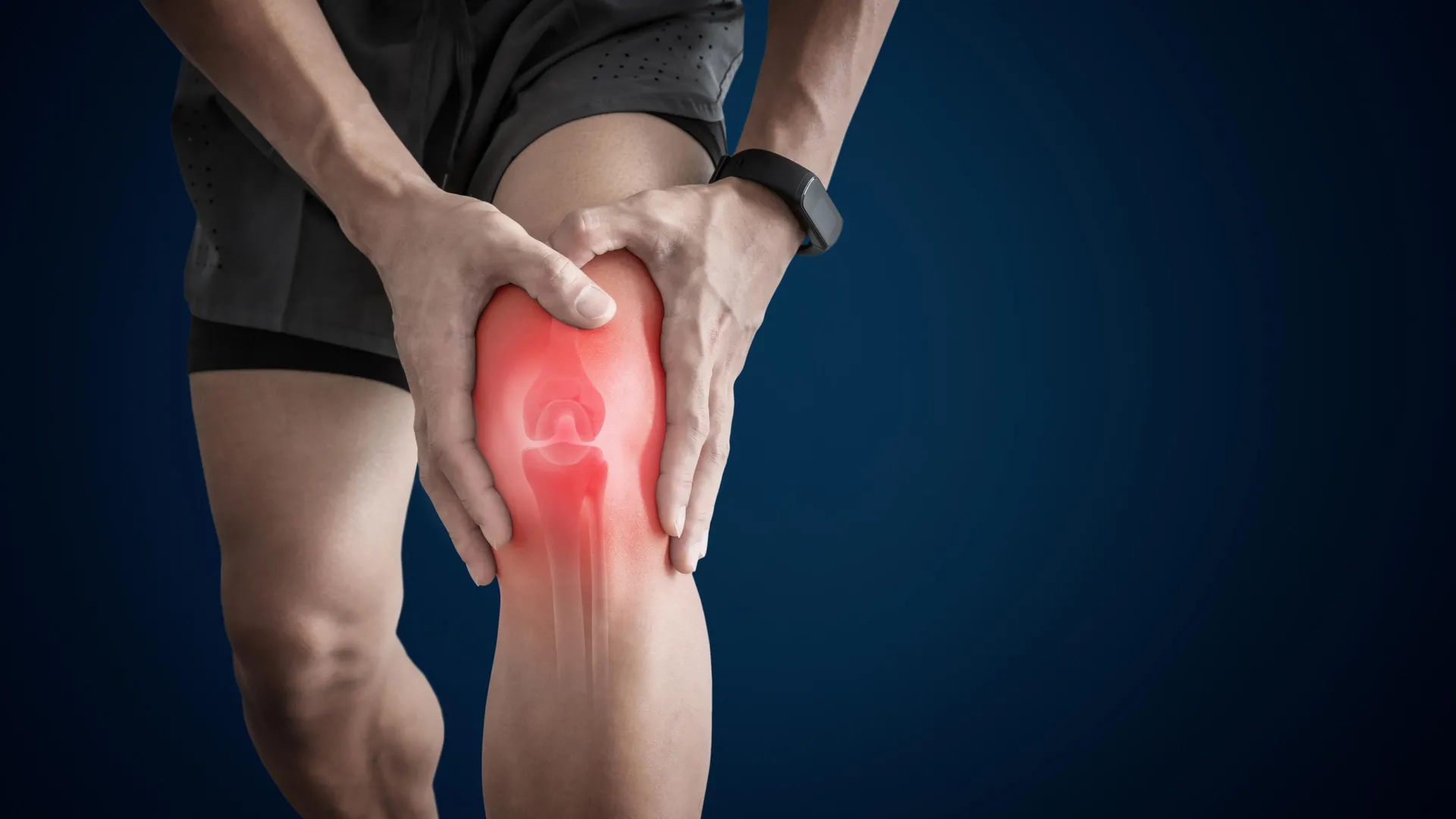
A daily prebiotic fiber supplement may help reduce pain and improve physical function in people with knee osteoarthritis (OA), according to a new clinical trial. Participants who took the supplement also showed stronger grip and reduced sensitivity to pain, while the group had far fewer dropouts than those assigned to a digital physiotherapy program.
Researchers at the University of Nottingham led the INSPIRE clinical trial, which tested inulin, a natural dietary fiber found in chicory root, Jerusalem artichokes, and other vegetables. Taking inulin each day significantly reduced pain among participants with OA.
Published in the journal Nutrients, the findings indicate that supporting gut health could provide a new way to manage a widespread and disabling condition that commonly affects older adults.
A Simpler Approach to Knee Osteoarthritis
Hundreds of millions of people worldwide live with knee OA, which is a major cause of chronic pain and disability, especially later in life. Treatment often involves pain medication, which can produce side effects, or exercise programs that some patients find difficult to continue over time.
“This study raises the exciting possibility that a simple dietary change — adding a fiber supplement to your breakfast or yogurt — could meaningfully reduce pain and improve physical function,” said Dr. Afroditi Kouraki, lead author of the study from the School of Medicine at the University of Nottingham.
How Prebiotic Fiber May Influence Pain
The gut microbiome consists of trillions of bacteria that live in the digestive system and affect many aspects of health, including the way the body experiences pain. Inulin is a prebiotic, which means it provides nourishment for beneficial gut bacteria.
When these bacteria consume inulin, they produce short-chain fatty acids (SCFAs). One of the most important is butyrate, a compound that can affect inflammation and the biological pathways involved in pain throughout the body.
Participants who received inulin had higher levels of both butyrate and glucagon-like peptide-1 (GLP-1) — a gut hormone associated with pain regulation and muscle health. Increased GLP-1 levels were also linked to better grip strength, suggesting a possible connection between gut health and muscle function that researchers believe deserves further study.
Inulin and Physiotherapy Reduced Pain
The six-week randomized controlled trial included 117 adults with knee OA. Participants were divided into four groups that received inulin alone, digital physiotherapy-supported exercise (PSE) alone, both treatments together, or a placebo.
Inulin and physiotherapy each reduced knee pain independently. However, only the inulin group experienced improved grip strength and lower pain sensitivity. These measurements can reflect how the nervous system detects and processes painful signals.
The inulin group also had a much lower dropout rate. Only 3.6% of participants taking the supplement left the study, compared with 21% of those in the physiotherapy group. The difference suggests that adding a supplement to a daily routine may be easier for many patients to maintain than following an exercise program.
Dr. Kouraki said: “Our findings suggest that targeting gut health with a prebiotic supplement is a safe, well-tolerated, and effective way to reduce pain in people with knee osteoarthritis. The very low dropout rate compared to the exercise group is also encouraging from a public health perspective — people were able to fit this supplement easily into their daily lives.”
A Possible Gut-Muscle-Pain Connection
Senior author Professor Ana Valdes from the School of Medicine added: “The link we observed between GLP-1 and grip strength is particularly intriguing and points to a broader gut-muscle-pain axis that warrants further investigation. This could have implications not just for osteoarthritis, but for understanding how gut health influences ageing and physical resilience more broadly.”
Professor Lucy Donaldson, Director of Research at Arthritis UK said: “The pain of arthritis can severely impact quality of life. Our recent lived experience survey showed that six in ten people are living in pain most or all of the time due to their arthritis.
“Researchers are starting to explore the role of the gut microbiome in our experience of pain. This exciting preliminary research highlights how diet and physiotherapy can act in different ways to have benefits for people with arthritis. We know a variety and balance of healthy foods, including fiber, and regular physical activity matter, and we’re glad to be supporting research that explores how they work to help people with arthritis.”














Leave a comment