


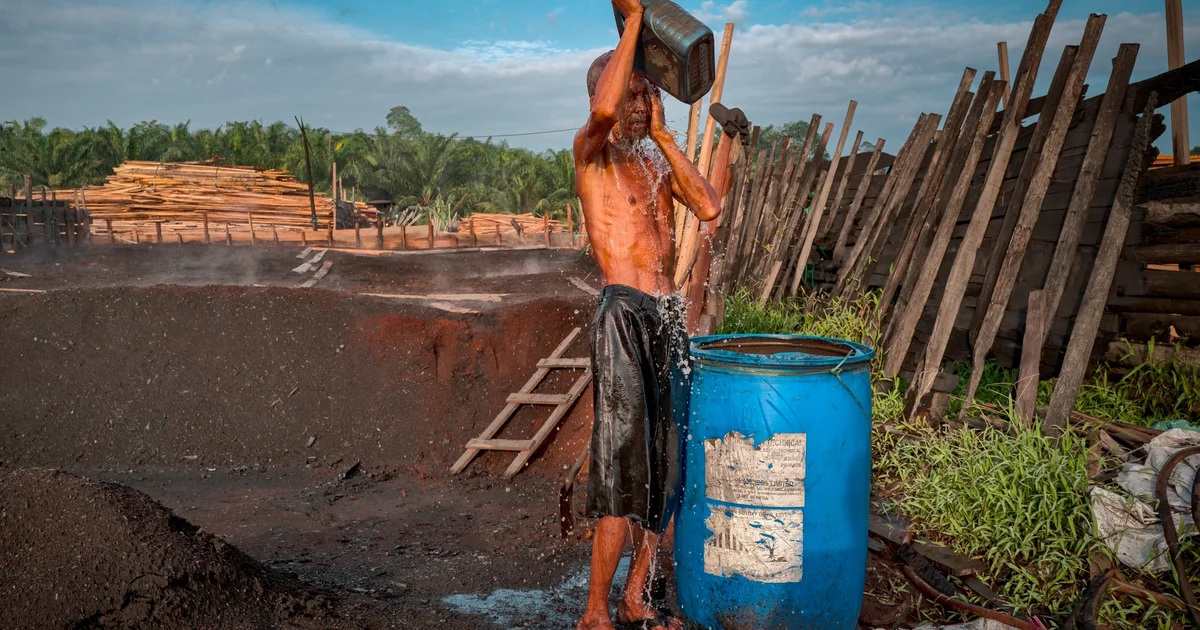
Yet focusing only on the risks tells only part of the story. Industrial transitions have always changed the types of jobs economies require, and the transition towards low-carbon production is no exception. Companies will need engineers specialising in renewable energy, industrial electrification and energy-efficient manufacturing, alongside experts in carbon accounting, emissions monitoring, environmental auditing and sustainable supply-chain management.
The transition could also strengthen ASEAN’s competitiveness. Multinational companies are now weighing carbon intensity alongside labour costs when deciding where to invest. Countries that develop cleaner energy systems and low-carbon manufacturing capabilities are likely to become more attractive destinations for investment.
ASEAN is well positioned to benefit from this shift. The region has abundant renewable energy resources, expanding manufacturing capacity and a relatively young workforce. If governments invest in clean infrastructure, workforce development and industrial upgrading, ASEAN could reinforce its position as a global manufacturing hub rather than lose competitiveness.
Encouragingly, several ASEAN countries have already begun preparing for this transition. Singapore (Opens in new window) has introduced a carbon tax, while Indonesia (Opens in new window) and Vietnam (Opens in new window) are developing emissions trading systems. Malaysia (Opens in new window) and Thailand (Opens in new window) are expanding their carbon market initiatives. Although these policies are primarily driven by domestic priorities, the EU CBAM strengthens the economic case for accelerating them. Carbon governance is becoming a source of international competitiveness.
The challenge for ASEAN is not whether the EU CBAM is fair, but whether its workforce is prepared for a changing global economy. Governments should invest in reskilling workers, particularly those employed in carbon-intensive industries. Universities and technical institutions should expand training in renewable energy, industrial efficiency, carbon accounting and digital manufacturing. Businesses, especially SMEs, will also require financial and technical support to adopt cleaner technologies and strengthen emissions reporting.
ASEAN itself has work to do. Rather than responding through fragmented national policies, member states should strengthen regional cooperation on green industrial development and workforce transformation. This could include harmonising carbon accounting standards, developing regional certification and skills-recognition frameworks for green jobs, promoting knowledge-sharing on EU CBAM compliance, and expanding regional financing for industrial decarbonisation. By coordinating their response, ASEAN can reduce adjustment costs, improve the competitiveness of regional supply chains, and position itself as a preferred destination for sustainable investment.
The EU has obligations here, too. If the mechanism is genuinely intended to advance global climate action rather than simply protect European industry, it should be accompanied by greater technical assistance, technology transfer and capacity-building for developing countries. Helping ASEAN industries decarbonise would make the mechanism more effective while reducing concerns that it is merely another form of trade protection.











Leave a comment