


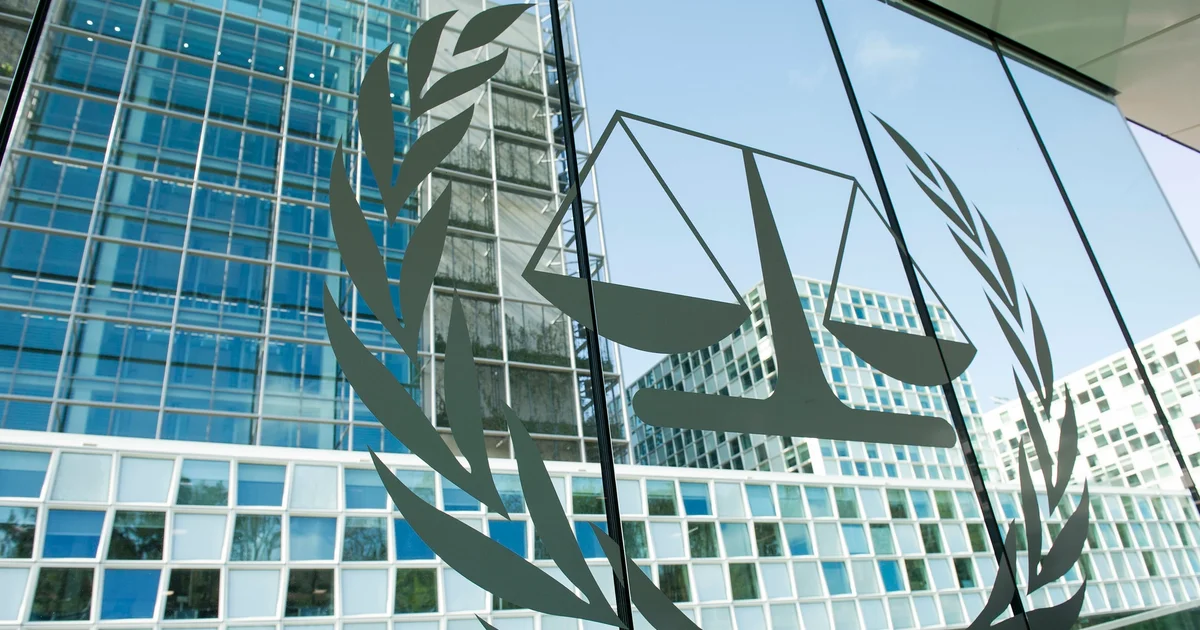
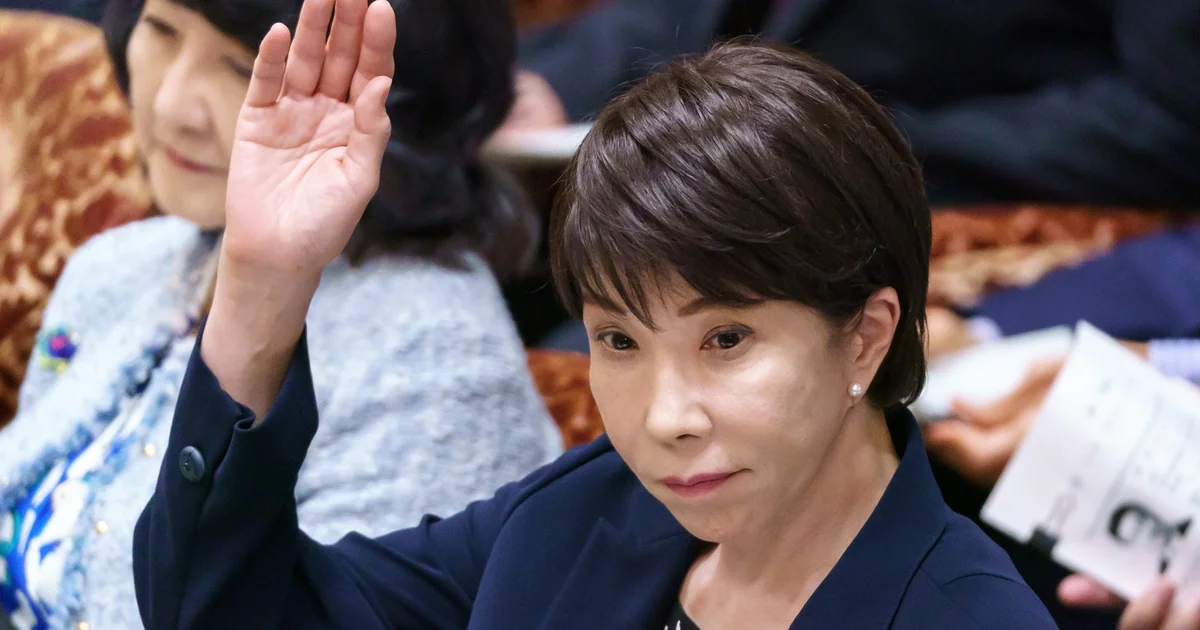
From Japan’s side, there has been a steady escalation (Opens in new window) in their responses since August. Japan’s Prime Minister Sanae Takaichi has aired the Japanese government’s deep concerns with the US sanctions, stating that they are “incompatible with Japan’s position” (Opens in new window). Takaichi also raised the matter (Opens in new window) directly with US President Donald Trump during a meeting on 22 September, despite being urged by the US side (Opens in new window) not to do so. Japan’s Foreign Minister Toshimitsu Motegi also had a phone call (Opens in new window) on 10 October with US Secretary of State Marco Rubio, outlining Japan’s views on the sanctions.
Public opposition in Japan to the US move against the ICC has been strong, placing greater pressure on the Japanese government. A petition (Opens in new window) calling for the withdrawal of sanctions has received almost 175,000 signatures. Events have been held over the last two months to push back (Opens in new window) and demonstrate solidarity (Opens in new window). New university (Opens in new window) and civil society networks (Opens in new window) have recently been formed to express support for international justice.
After the latest US sanctions were imposed, Akane stated (Opens in new window) of the ICC that: “Its fate now rests also in the hands of the States that created it.” Australia should heed Akane’s call. Quiet diplomacy on its own is not sufficient.
Australia should convert its private concerns into more credible public support with three steps.
Firstly, Australia should firmly denounce the US measures and express its solidarity with the Japanese government and Japanese nationals who have been targeted. Shared commitments (Opens in new window) to safeguarding the international order should lead to (Opens in new window) Australia choosing to act in their defence when like-minded partners are attacked.
Secondly, Australia should coordinate with Japan and other more vocal states to sustain political and diplomatic support for the ICC. Australia could play a stronger leadership role globally and regionally, including utilising international forums, to reinforce confidence in the court’s operations.
Thirdly, the Australian government should prevent US sanctions from being implemented in Australia and encourage regional partners to do the same. Banks, financial institutions and other companies should be advised against excessive overcompliance (Opens in new window). This message should be delivered publicly.
The ICC is an independent and impartial body, mandated by the international community, to help bring the perpetrators of grave crimes to justice. Dismantling of the ICC will only serve to undermine the international rule of law, which is essential for promoting global order and security.
50 years after the NARA Treaty, Australia’s response to the US sanctions is a test of what its “indispensable partnership” (Opens in new window) with Japan means in practice.
Australia should publicly defend the ICC, support its partners who are being targeted for upholding international justice, and demonstrate that its commitment to the international legal order can withstand US pressure.







Leave a comment