



A bilateral compact should therefore begin small. Canberra and Brasília could select one rare-earth separation project in Brazil and one processing or materials-qualification project in Australia. Each would need an identified industrial customer, a technical bottleneck that can be solved and a timetable for pilot production. This would be more useful than another broad memorandum.
Australia’s ANSTO and CSIRO could work with Brazil’s Centre for Mineral Technology and Geological Survey on separation methods, recovery from waste, water use and material qualification. Export Finance Australia and Brazil’s BNDES would not need to subsidise each other’s mines. They could share due-diligence standards, support feasibility work and help structure offtake agreements with Japanese, Korean, European or American buyers. Australia’s reserve already recognises that volatile prices can stop strategically useful projects before production. Brazil has the same financing problem.
Standards should be part of the commercial design, not an appendix. Both countries know that a mine can be technically sound and still fail through weak community consent, environmental conflict or poor tailings governance. A common approach should make projects more bankable because buyers, regulators and local communities can trust how they were built. It should not be a shortcut around safeguards.
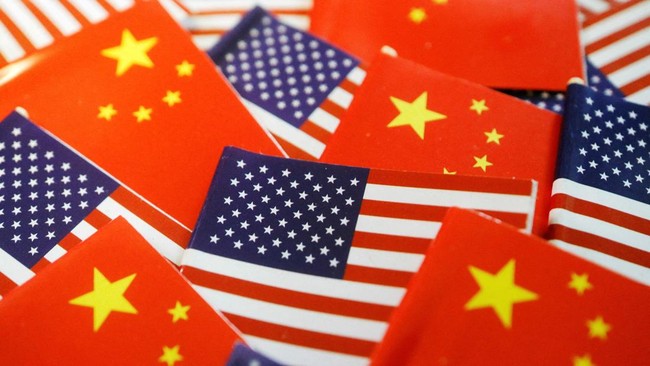
None of this should be sold as an anti-China arrangement. China is Brazil’s largest trading partner (Opens in new window), and Brasília will not join a mineral strategy that requires it to choose sides. Australia, too, conducts a quarter of its trade with China (Opens in new window). The practical aim is not exclusion. It is optionality: more processing locations, more qualified suppliers and more than one source of capital and demand.
Brazil would give Australia something its present critical-minerals network lacks: a large Latin American democracy with substantial resources, an industrial base and diplomatic reach across the Global South. Australian mining-service firms would gain a deeper role in a market entering a major investment cycle. Brazil would gain access to regulatory experience, technology and project structures that can help it move beyond extraction.
The bilateral framework already exists. Australia and Brazil’s strategic partnership covers mining, energy, science, trade and investment (Opens in new window). The February meeting in Brasília showed that both sides are interested in reviving it. The next step should not be another dialogue about how much the countries have in common. It should be a short list of projects, named institutions and money attached to deadlines.
Canberra now has to decide whether Brazil is merely a customer for Australian mining services or a partner in building a less concentrated materials economy. The next version of Australia’s critical-minerals partnership map should make the answer clear.













Leave a comment