


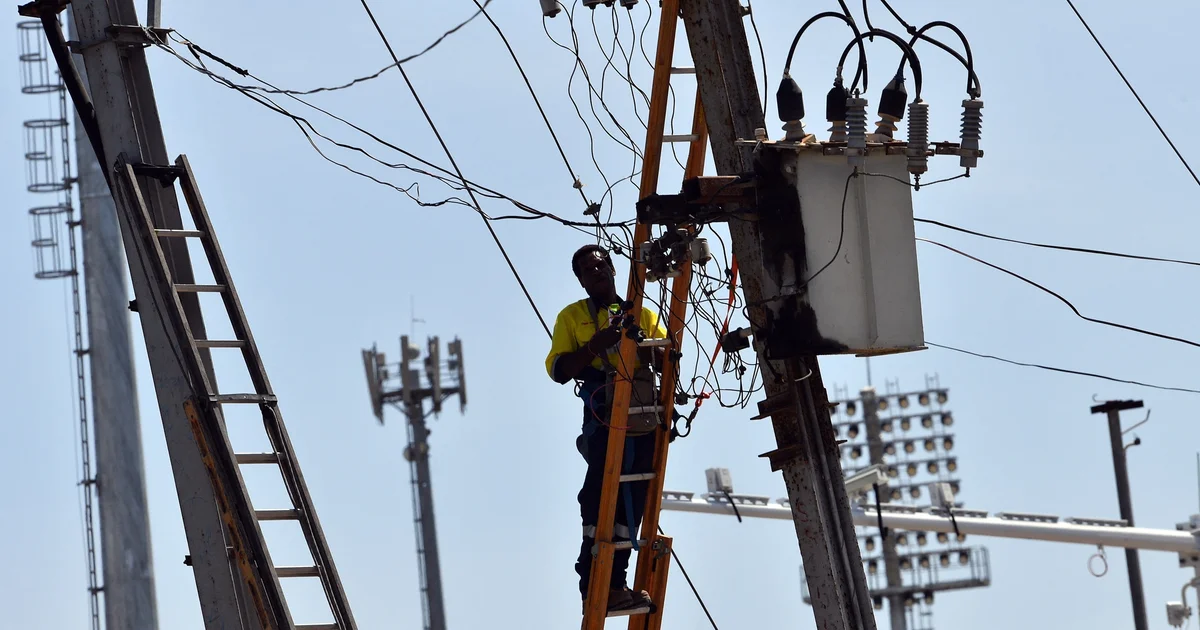
In the same way that telco services are sold at the village level across the Pacific, energy can be too. Modern technology enables internet-enabled renewable kit to be installed at a fraction of the cost of other hardware. And it lessens the amount Pacific communities are spending on diesel and kerosene to keep the lights on.
Some might say this is impossible, or that the failure rate would be too high. But any such cynics would need to explain why this network could be leveraged to provide near universal telecommunications access in countries such as Solomon Islands but not towards other development ends.
On Savo, in Solomon Islands, a project I helped conceived has tested this idea. Its early success offers a tantalising glimpse into what might be possible at scale. The Savo project sees shopkeepers in villages act effectively as local energy retailers, backed up by a remote team that can address any tech issues as they arise.
The project (Opens in new window) – launched by Australia’s High Commissioner to the Solomons – has seen dozens of households receive electrification for the first time, at a cost much lower than they would be paying if they self-sourced diesel, kerosene, or their own solar kits from town.
It creates jobs in each village, ensures more money is retained locally rather than siphoned off into the diesel supply chain, and provides immediate access to a village-based technician – the trained shopkeeper – to ensure any technical mishaps are immediately rectified. The provision of energy has also allowed complementary infrastructure, such as freezers, to be installed, enabling a local fish-trading business to flourish.
The Savo initiative demonstrates that working with local agency, rather than trying to supplant it, is a cheaper and, importantly, much quicker way of delivering energy to remote, scale-limited village economies than individual, centrally managed projects installed and operated by city-based experts.
At the COP31 climate summit in Türkiye in November, Australia’s existing initiatives on energy and climate in the Pacific will be up in lights. My concern is that, under intense scrutiny, some of Australia’s most ambitious Pacific pledges risk being exposed as well-intentioned veneers rather than game-changing interventions.
To truly be the partner of choice in the Pacific, Australia needs to work intimately not just with governments but with people and communities across the islands. Its energy pledge is the ideal place to start.












Leave a comment