


As China’s power and self-confidence grows, it’s becoming much more active in projecting power by establishing military bases abroad. The latest is at Ban Keun Airport near Vientiane, where China has established a joint support and training facility with Laos, according to a September announcement by the Ministry of National Defense in Beijing.
It is the first overseas military facility that China has openly acknowledged. This has several implications for the region.
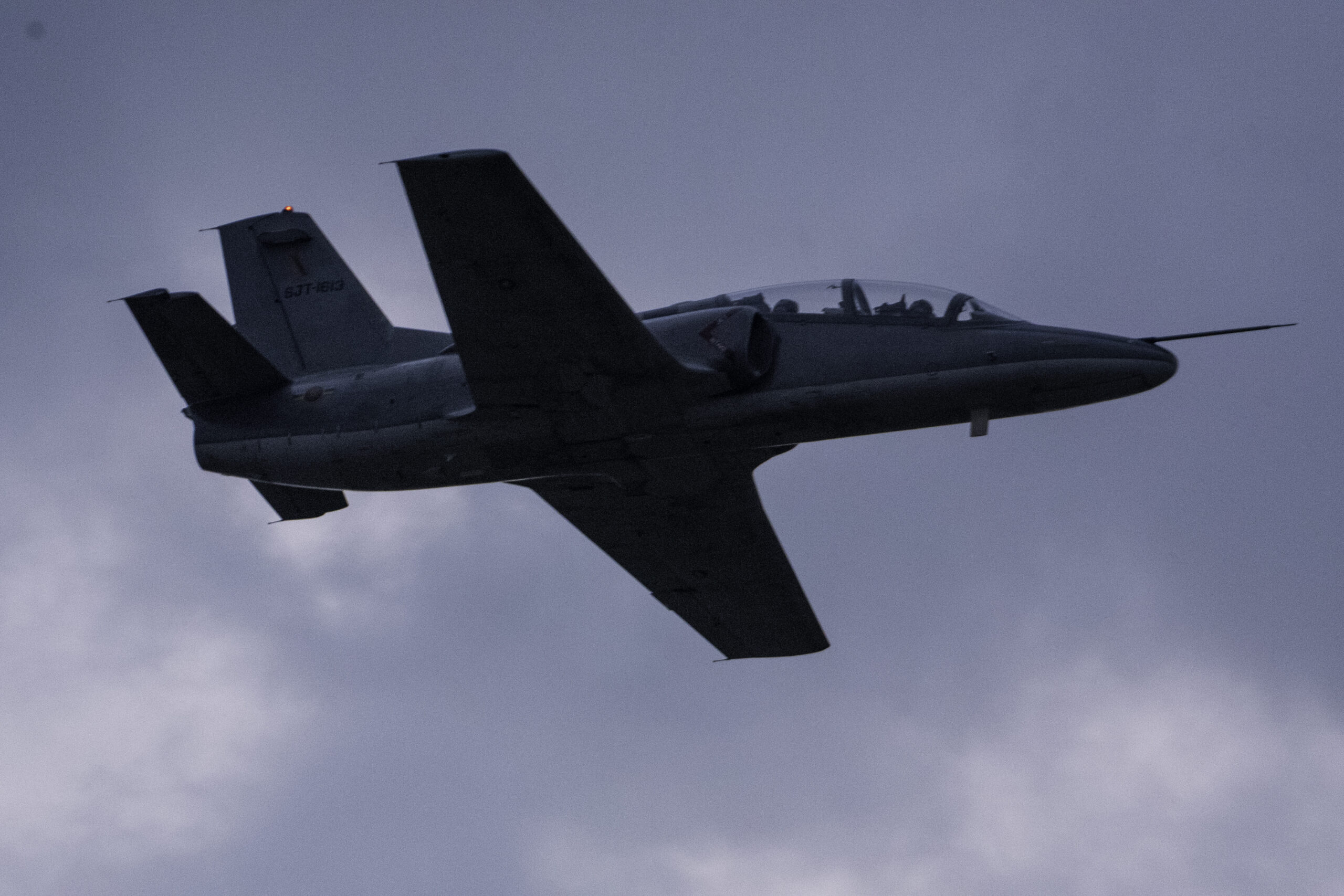
But first, the base itself. Satellite imagery procured and analysed by CNN shows a 2,000-metre-long runway, taxiway and parking apron for 22 aircraft. CNN also reports rapid construction at the site. Other media reports mention that satellite photos show eight aircraft, likely Chinese-Pakistani Hongdu JL-8 training and light attack jets (also called K-8s), and more than two dozen support vehicles. Laos is known to own this type of aircraft, but fewer than the eight seen at the facility. Laos could have bought more, or the extras may be Chinese.
China has said that the facility is strictly for training Lao air force pilots, ‘enhancing practical military cooperation’ and ‘promoting regional peace and stability.’ This sounds reasonable enough, but it conflicts with China’s own previous positions on foreign military facilities. It has been a vocal critic of global US military presence.
Establishment of the Laotian base follows a pattern in China’s growing external military presence and access. China established its first overseas military facility in Djibouti in 2017, maintaining then and now that it is merely a logistical facility. This is still its most distant foreign military base, sitting astride the crucial waters overlooking the Bab al-Mandab strait leading to the Red Sea.
Closer to home, a Washington Post story in 2022 revealed that China was upgrading the Cambodian Ream Naval Base, with the Chinese military being given ‘exclusive use’ of parts of it. China and Cambodia initially denied the report, but last year they formally inaugurated the facility. Soon warships from both countries visited it, conducting joint military drills. Though the base is not very far from China’s own territory, it’s on the strategically crucial Gulf of Thailand and thereby strengthens China’s position in the Indo-Pacific and particularly in the South China Sea.
With the Ream Naval Base in Cambodia and Ban Keun Air Facility in Laos, China now has both naval and aviation logistics hubs in the area.
There are at least four implications from the establishment of the base in Laos, both for neighbours such as Vietnam and the whole region.
First, sitting to the west of Vietnam, it gives China one more pressure point on that country. Vietnam already has a complicated relationship with China, with close economic ties but also significant territorial disputes.
Second, it adds an air power dimension to China’s foreign base activity. The two foreign bases that China previously built were both naval ones. The latest base at Ban Keun provides China’s air force with an air power footing in a strategically sensitive region. China can be expected to later extend the runway to support Chinese surveillance aircraft or bombers. Though Laos is land-locked, its long and narrow geography could provide China with an excellent site for monitoring activity across Southeast Asia.
Third, this represents a new type of military basing activity. For China, what matters is assured access. By packaging access as joint training facilities or disaster relief and humanitarian support hubs, Beijing secures a more lasting presence while avoiding the diplomatic and political cost of building traditional military bases. As far as China is concerned, it has created pretty much the same strategic effect without investing in a dedicated Western-style base of its own. Also unlike Western bases, China’s decision to act on Ban Keu, as ASPI senior analyst Rachel Vandenbrink told Reuters, was ‘more about a target of opportunity than filling an obvious operational need’.
Finally, the ratcheting up of military pressure increasingly strains Southeast Asia’s traditional strategy of hedging, in which countries of the region integrate with China’s manufacturing strength while balancing it with American military power. Regional powers will need to consider how long they can hedge when Chinese military power looms ever larger over them.










Leave a comment