


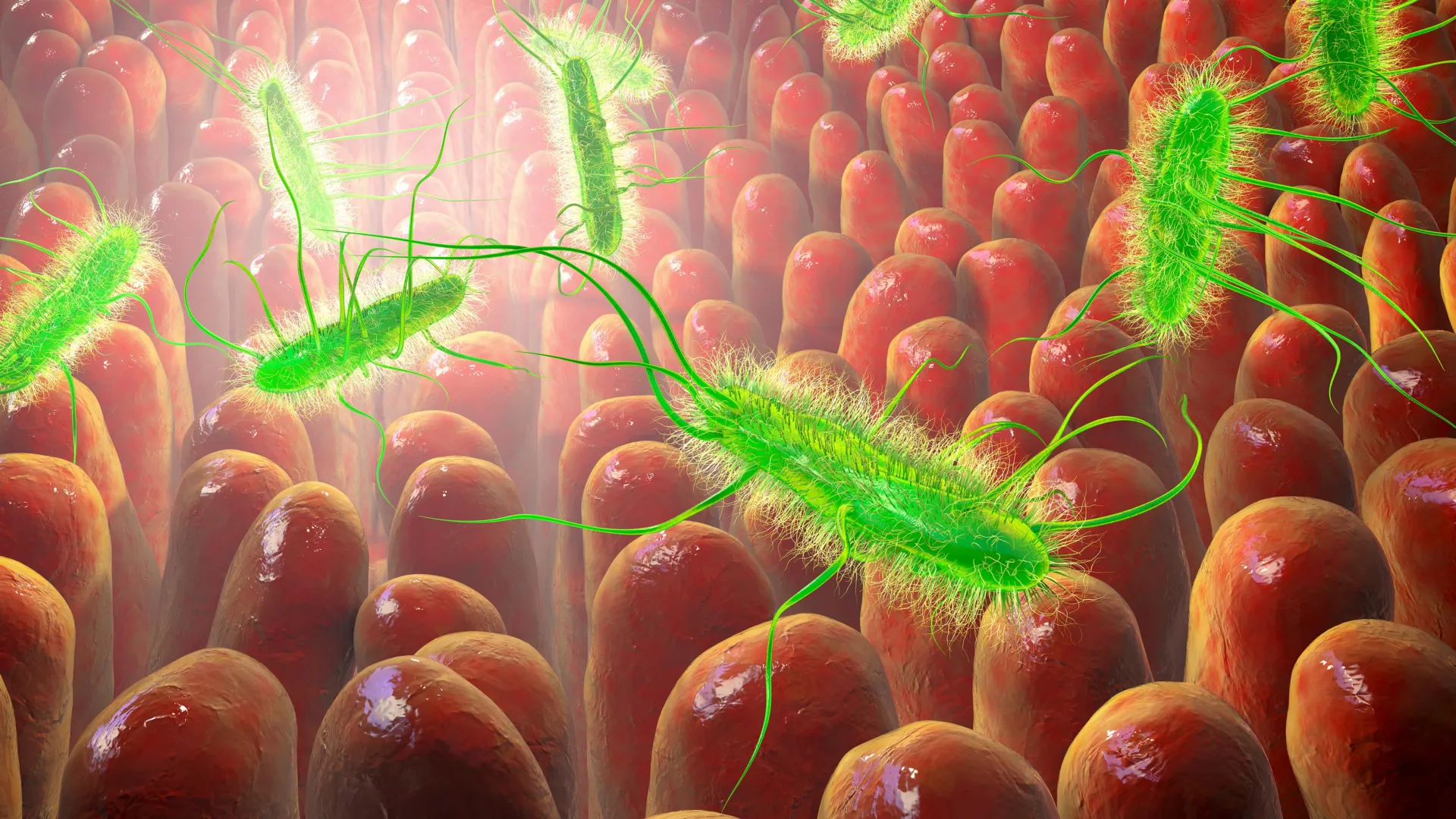
A dangerous intestinal infection may soon have a more targeted treatment option. Scientists have identified a natural compound that can kill the bacteria responsible for severe gut infections while leaving much of the beneficial gut microbiome unharmed.
The bacterium Clostridioides difficile (C. difficile) is naturally found in the intestines of many people and generally causes no problems when present in small amounts. However, antibiotics that target a wide range of bacteria can upset the delicate balance of microorganisms in the gut. This disruption allows C. difficile to multiply rapidly, potentially causing severe intestinal inflammation that can become chronic.
C. difficile infections (CDI) are among the leading causes of diarrhea associated with antibiotic treatment. The bacteria produce toxins that can trigger dangerous and sometimes life-threatening inflammation in the intestines. Because these infections frequently return after treatment, scientists are searching for more effective ways to eliminate the pathogen without causing additional damage to the gut microbiome.
A team led by Prof. Rolf Müller, department head and scientific director at HIPS, has now identified a promising drug candidate that specifically targets C. difficile while preserving much of the gut’s beneficial microbial community. HIPS is a site of the Helmholtz Centre for Infection Research (HZI) that operates in collaboration with Saarland University.
Natural Compound Targets Dangerous Gut Bacteria
The researchers found that argyrin B, a naturally occurring antibacterial substance, was highly effective against C. difficile in laboratory tests and experiments involving infected mice. Importantly, the compound showed little activity against the beneficial microorganisms that help maintain a healthy digestive system.
“We were able to show that the natural compound argyrin B is highly effective against CDI: both in laboratory experiments and in a mouse model of the infection, where it significantly reduces the bacterial load,” says Dr. Jennifer Herrmann, senior scientist in the department “Microbial Natural Products” at HIPS. “An antibacterial target of the argyrins had previously been identified and characterized in the notorious hospital-acquired pathogen Pseudomonas aeruginosa. Now we have been able to show that argyrin B also acts on this target in C. difficile and exhibits particularly high efficacy in doing so. In contrast, the argyrins have virtually no effect on the beneficial microorganisms in our digestive tract. The gut microbiome could therefore be spared during treatment with argyrin and restored to a healthy state more quickly.”
A Bacteria-Killing Substance Found in Soil
Argyrins were originally discovered in myxobacteria, microorganisms that inhabit soil. These bacteria produce natural substances that help them attack other microbes and use them as a source of food.
Although argyrin B has demonstrated promising antibacterial activity, researchers must also determine whether its pharmaceutical properties make it suitable for use as a medicine. That includes understanding how the compound behaves inside the body and whether it could cause unwanted effects.
One particularly encouraging finding emerged when the team examined what happens after mice receive argyrin B orally. Very little of the compound entered their bloodstream. Instead, most of it remained in the large intestine, where C. difficile infections occur.
By concentrating in the gut rather than circulating throughout the body, argyrin B could potentially reduce the risk of side effects affecting other organs. Together with its selective activity against C. difficile, this characteristic makes the compound a promising candidate for a treatment that may be better tolerated.
Could It Help Prevent Recurring Gut Infections?
One of the biggest challenges in treating C. difficile is its tendency to return. Patients who experience multiple relapses are often treated using fecal microbiota transfer (commonly known as a stool transplant). This procedure aims to restore a healthier balance of gut microorganisms, but it can be complicated to perform and unpleasant for patients.
A medication developed from argyrin could eventually provide another treatment option. By eliminating the harmful bacteria without extensively disrupting the rest of the microbiome, such a therapy might reduce the likelihood of further infections and relapses. That could also help some patients avoid the need for stool transplants.
More research is needed before argyrin B can be considered for clinical use. The scientists plan to investigate which dosage produces the strongest antibacterial effect and use additional experimental models to determine whether the compound can also combat recurring C. difficile infections.











Leave a comment