


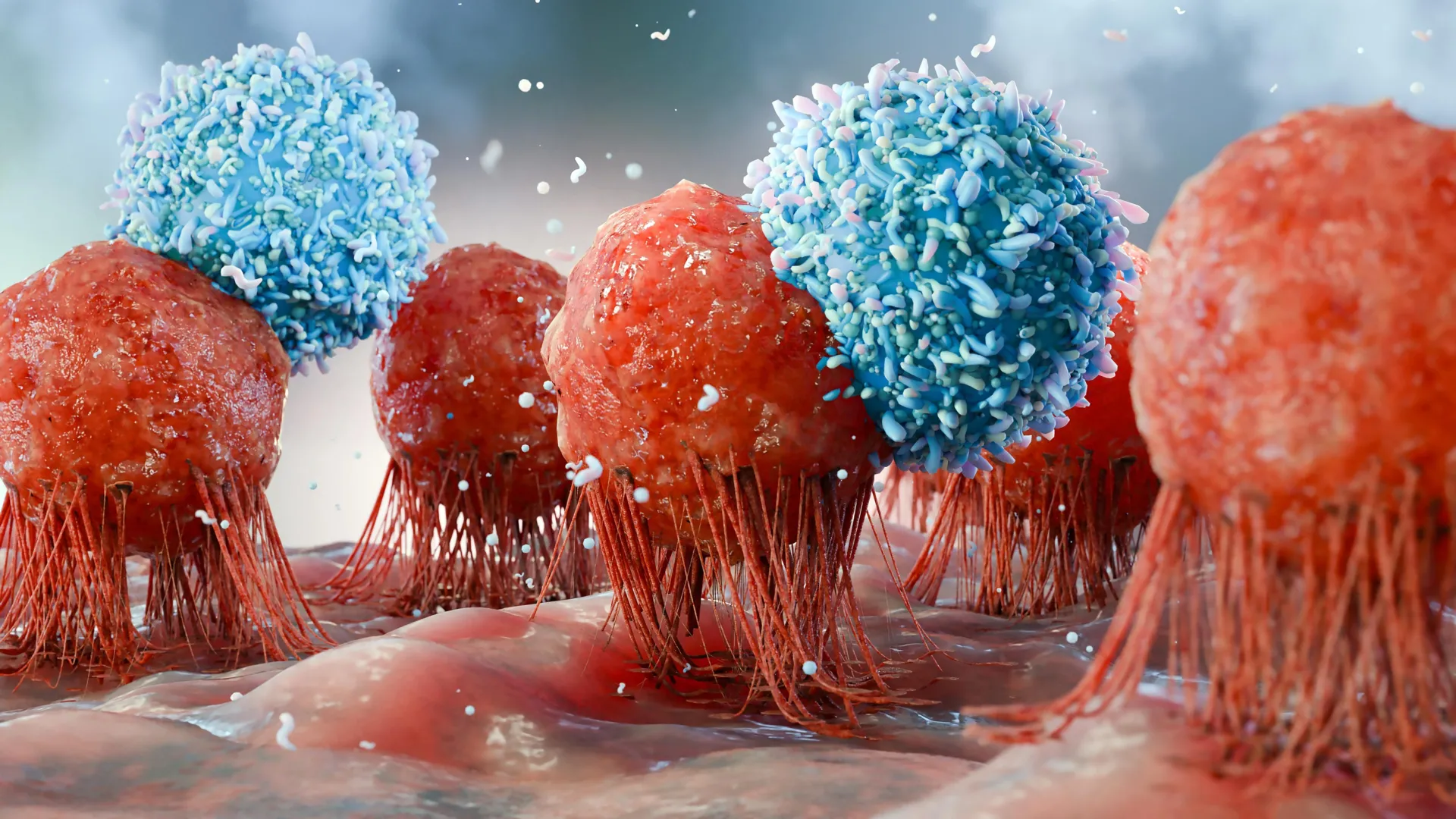
Researchers at Trinity College Dublin and University College Dublin (UCD) have found that a yeast-based dietary supplement can strengthen immune cells involved in fighting cancer in mice.
In experiments with obese laboratory mice, the researchers found that adding the supplement to the animals’ diets changed the way immune cells developed and produced stronger cancer-fighting responses.
Obesity can interfere with immune function, making it more difficult for the body to respond effectively to tumors. The new findings suggest that a yeast-based supplement could potentially help restore some of that lost immune activity.
The research was published in the scientific journal Cell Reports. The study was led by Frederick Sheedy, Associate Professor in Immunology in Trinity’s School of Biochemistry and Immunology, and Helen Roche, Professor in Nutrigenomics, UCD School of Public Health, Physiotherapy and Sports Science and Director of the UCD Conway Institute.
Training Immune Cells Through Diet
Dr. Anna Ledwith, postdoctoral researcher in Prof. Roche’s group and first author of the research paper, said: “We wanted to investigate whether a common dietary supplement, yeast beta-glucan, could reprogram early-stage immune cells in the bone marrow to produce long-lasting, enhanced anti-tumor immune responses.
“Mice were fed a standard or high-fat diet supplemented with yeast beta-glucan for 4-12 weeks, and then their immune system was challenged by different types of cancer cells: colorectal, skin, and breast cancer. The study also tested whether yeast supplementation could overcome immune dysfunction caused by obesity and whether protective effects persist after weight loss.”
The researchers wanted to determine whether consuming yeast beta-glucan could produce a form of lasting immune training by changing early immune cells in the bone marrow. They also examined whether the supplement could counter the immune problems caused by obesity.
Prof. Roche said the findings show for the first time that consuming yeast beta-glucan in the diet is enough to trigger trained immunity by altering bone marrow stem cells. Earlier studies achieved similar effects using injections.
Commenting on the significance of the findings, Prof. Roche added: “This is the first demonstration that dietary delivery of yeast beta-glucan is sufficient to induce trained immunity through reprogramming of bone marrow stem cells. Previous research required injections.
“Crucially, this dietary intervention restores anti-tumor innate immunity in obese mice and reverses long-term immune memory defects that persist even after weight loss, a major unmet clinical challenge.”
Reversing Immune Problems Linked to Obesity
Obesity affects millions of people around the world and can significantly disrupt immune function, increasing susceptibility to both infections and cancer. These immune changes can continue even after a person loses weight.
That persistence is an important challenge because weight loss does not necessarily erase all of obesity’s long-term effects on the immune system. In the mouse experiments, yeast beta-glucan helped reverse immune memory problems that remained after weight loss.
Cancer, meanwhile, continues to be one of the leading causes of death worldwide. Researchers are therefore looking for safe, widely available approaches that could help restore immune function and potentially work alongside existing cancer treatments.
Yeast beta-glucan is already sold as a dietary supplement and has a strong safety record. That makes it a practical candidate for future studies in people.
A Potential Addition to Cancer Treatment
Looking to the future, Professor Sheedy said: “This research paves the way for dietary intervention studies in people living with obesity, chronic infections and other immunocompromised populations. The yeast beta-glucan used, WellmuneTM, from Kerry Group, is already food-grade and commercially available, facilitating rapid clinical trials.
“Ultimately, a simple dietary supplement could help boost the immune system’s cancer-fighting ability, complementing existing treatments such as chemotherapy and immunotherapy, with the potential to improve vaccine responses and resistance to infection.”
The researchers say the findings could now support dietary intervention studies involving people with obesity, chronic infections, and other conditions associated with weakened immune function.
Because the specific yeast beta-glucan used in the study is already commercially available as a food-grade supplement, researchers believe it could move relatively quickly into clinical testing. Future studies will need to determine whether the immune benefits seen in mice can also be reproduced in humans.













Leave a comment