


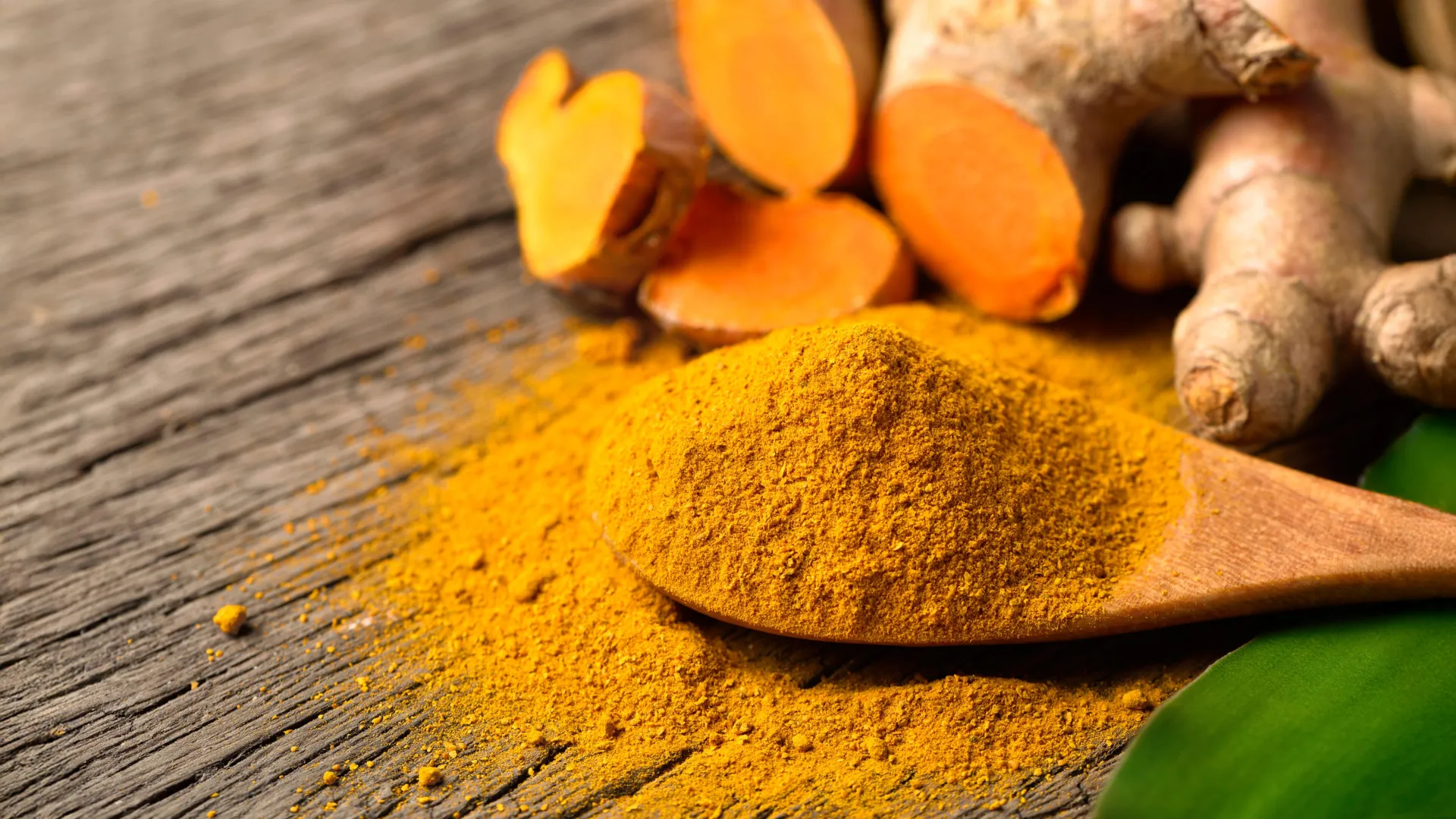
Curcumin, the natural compound responsible for turmeric’s vivid yellow color, is widely studied for its anti-inflammatory and antioxidant properties. New research in rats suggests it may also help protect blood vessels from damage linked to diabetes.
The findings were presented at the 2026 American Physiology Summit in Minneapolis. The Summit is the flagship annual meeting of the American Physiological Society (APS).
“Curcumin acts as more than a simple compound found in a spice or an antioxidant. It not only helps to improve blood sugar levels but also reduces inflammation, restores cellular responses, and preserves both structure and function of the aorta in Type 1 diabetes,” said the study’s first author, Swasti Rastogi, a PhD candidate at Florida Institute of Technology.
Type 1 Diabetes and Blood Vessel Damage
The research focused on Type 1 diabetes, a lifelong autoimmune disease that affects about 2 million people in the U.S. Although insulin therapy is essential for managing the condition, people with Type 1 diabetes can still develop heart disease at an earlier age because persistently high blood sugar can damage blood vessels.
To investigate whether curcumin could reduce this damage, researchers used a rat model of Type 1 diabetes. They compared diabetic rats treated with curcumin with diabetic rats that did not receive the compound.
After one month, the rats given curcumin showed improvements in vascular health that were similar to those seen in nondiabetic rats.
Curcumin Improved Several Measures of Vascular Health
The researchers found that curcumin treatment appeared to reduce inflammation and restore more normal calcium activity in blood vessels. It also helped rebalance heat shock protein 70, an important protein whose regulation is disrupted by diabetes.
Together, these effects suggest that curcumin may help limit the structural and functional changes that gradually weaken blood vessels and reduce their elasticity. By helping blood vessels maintain healthier function, curcumin could potentially lower some of the cardiovascular risks associated with diabetes.
More Research Is Needed Before Human Use
Researchers caution that these results do not mean people with Type 1 diabetes should simply consume more turmeric or begin taking curcumin supplements.
Because the study was conducted in rats, additional research and clinical trials will be necessary to determine whether the same benefits occur in people. Scientists would also need to establish an appropriate dose that provides benefits safely while minimizing the risk of harmful interactions with other medications.
It is important to consult your doctor before taking any supplements.














Leave a comment