


Eating more plants is widely associated with better health, but scientists are still uncovering exactly why. New research suggests that fiber is only part of the story. Certain plant proteins that resist digestion may also play a surprisingly important role in shaping gut bacteria and determining whether they produce beneficial or potentially harmful substances.
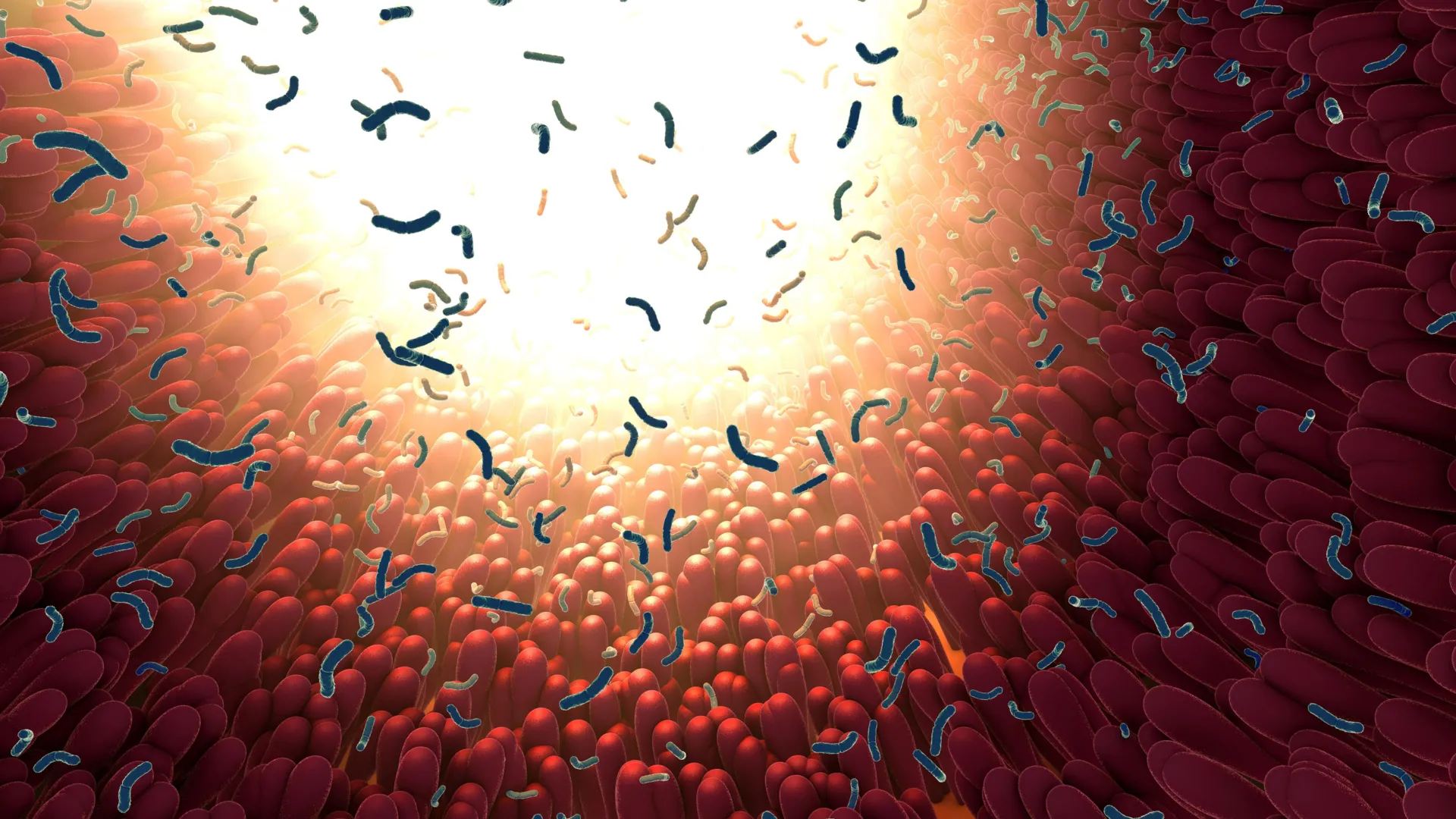
Plant-based diets support digestive health, immune function, metabolism, and cardiovascular health. One reason is that they help maintain a diverse community of microorganisms in the intestines, collectively known as the gut microbiome. Many of these bacteria are beneficial, helping break down food components that the human digestive system cannot process on its own.
Fiber is particularly important because it provides food for gut microbes. Plants also contain phytochemicals, natural substances that often give fruits and vegetables their vibrant colors and help protect them from environmental threats. These compounds can also contribute to human health. Yet researchers have only begun to understand the complicated chemical interactions that occur when gut bacteria digest plant foods.
Two studies led by Jenna AbuSalim and Joshua Rabinowitz, director of the Princeton Branch of the Ludwig Institute for Cancer Research, provide important new insights. One, published in the Proceedings of the National Academy of Sciences, shows how plant fiber and certain proteins influence gut bacteria to favor the production of beneficial compounds over potentially harmful ones. The other, published in Nature Metabolism in June, challenges the longstanding belief that many important chemical compounds circulating in the body originate exclusively from intestinal microbes.
“There’s growing interest across medical disciplines in manipulating the human microbiome or using its metabolic products themselves for therapy,” said Rabinowitz. “Diet holds great promise for controlling the microbiome and its outputs. But to devise effective therapeutic interventions, we need to understand what aspects of the diet control which microbial outputs.”
How Plant Foods Change the Chemicals Your Gut Produces
In the PNAS study, researchers examined a group of substances called phenol metabolites. Metabolites are chemicals formed when the body or microorganisms break down and process nutrients. Some are essential for normal biological functions, while others can contribute to health problems when they accumulate.
The phenol metabolites investigated by the team are produced when gut bacteria process two amino acids, tyrosine and phenylalanine. Amino acids are the building blocks of proteins, but the compounds they ultimately produce can have very different effects on health.
Two metabolites derived from phenylalanine, phenylpropionate and hippuric acid, are associated with healthy body weight and better gut health. In contrast, two compounds derived from tyrosine, p-cresol sulfate and phenol sulfate, have been linked to worse outcomes in cancer patients and harmful effects throughout the body in people with kidney disease.
The researchers wanted to understand whether different components of plant foods could influence which of these substances gut microbes produce.
“Our studies showed that both the fiber and indigestible proteins from plants — which we call ‘proteins imitating fiber,’ or Prif — shift the balance of phenol metabolites from the harmful kind made from tyrosine to the healthful variety derived from phenylalanine,” said AbuSalim.
An Overlooked Plant Protein Works Alongside Fiber
Although the health benefits of dietary fiber have been studied extensively, scientists have paid much less attention to plant proteins that pass through the digestive system without being fully broken down.
The researchers found that these indigestible proteins, which they call Prif, can reach the gut microbiome and serve as material for bacterial metabolism. In doing so, they influence which microbes thrive and which chemical compounds are produced.
Importantly, these proteins do not work in isolation. They cooperate with plant fiber to change how gut bacteria process nutrients, shifting their activity toward the production of beneficial phenol metabolites.
This discovery suggests that the nutritional value of plant foods may depend on more than their familiar concentrations of fiber, vitamins, and minerals. The amount and type of protein that escapes digestion could also help determine how food influences the gut microbiome.
When Gut Bacteria Run Low on Fiber, They May Feed on Your Gut’s Protective Mucus
One of the most intriguing findings concerns where gut bacteria obtain the raw materials used to produce harmful metabolites.
To investigate, the researchers labeled proteins with stable (non-radioactive) isotopes, allowing them to track exactly where the proteins traveled and how they were processed in the digestive systems of mice. This technique works by giving molecules a detectable chemical signature without making them radioactive.
The experiments revealed an important difference between the sources of beneficial and harmful phenols.
The potentially harmful phenols came from gut bacteria breaking down proteins belonging to the host, including proteins found in the mucus layer that coats the intestines. This protective mucus helps separate intestinal microbes from the cells lining the gut and forms part of the body’s natural defenses.
Meanwhile, the beneficial phenols were produced almost entirely from indigestible proteins supplied by food.
Fiber helped suppress the bacterial breakdown of the gut’s protective mucus, reducing the production of harmful phenols. The indigestible plant proteins (Prif), in turn, supplied more dietary protein to gut bacteria, encouraging them to produce beneficial compounds instead.
Together, the findings reveal two complementary ways plant foods can influence intestinal chemistry. Fiber helps discourage bacteria from consuming proteins in the gut’s protective mucus, while Prif provides an alternative source of nutrients that supports the production of healthier metabolites.
“We think Prifs represent an emerging class of dietary nutrients that shape the composition of the gut microbiome and could have a far-reaching influence on metabolic health,” said AbuSalim.
The implications could eventually extend to nutrition labels and dietary recommendations.
“Food packaging may eventually list Prif right below fiber,” said Rabinowitz.
A Second Discovery Challenges What Scientists Thought About Gut Bacteria
The companion study in Nature Metabolism addressed another important question: Are gut bacteria really responsible for producing all the metabolites traditionally attributed to them?
Along with phenol metabolites, the researchers examined indole metabolites, which are formed from tryptophan, another amino acid found in dietary proteins.
These substances have attracted considerable scientific interest because they participate in biological processes linked to inflammation, immune activity, and disease. Researchers have investigated their involvement in inflammatory bowel disease, neurodegenerative disorders, and cancer. Some indole metabolites have also been found to influence the spread of cancer and the immune system’s ability to attack tumors.
Scientists have generally assumed that gut bacteria are the source of these compounds. That belief has encouraged efforts to develop probiotics and dietary interventions that increase the production of potentially beneficial indole metabolites.
However, this approach depends on an important assumption: that intestinal microbes are responsible for producing most or all of the compounds researchers want to influence.
If the body’s own cells make substantial amounts of these metabolites, changing the microbiome may not be the most effective way to control their levels.
Your Body Can Make Compounds Once Attributed to Gut Microbes
To investigate, the research team used isotope tracing in mice, rats, and human cells to follow how different metabolites were produced.
The results challenged conventional thinking. Mammalian cells were capable of generating numerous phenol and indole metabolites independently of intestinal bacteria.
Among these were indole-3-lactate and indole-3-acetate, two biologically important compounds previously considered products of microbial metabolism.
The researchers also examined what happened when antibiotics disrupted the intestinal microbiome. If certain metabolites depended entirely on gut bacteria, their concentrations would be expected to decline sharply when those bacteria were depleted.
But many metabolites remained at substantial levels in the blood of antibiotic-treated mice. A similar pattern appeared in samples from patients receiving antibiotics, including people undergoing cancer treatment.
Other compounds behaved differently. Levels of indole-3-propionate and p-cresol sulfate, which are produced exclusively by microbes, declined following antibiotic treatment.
These results provided further evidence that some metabolites depend on intestinal bacteria, while others can also be manufactured by the body’s own metabolic processes.
The distinction matters because it could change how researchers develop treatments intended to increase beneficial metabolites or reduce harmful ones.
What These Discoveries Mean for Nutrition and Future Treatments
Together, the two studies offer a more detailed understanding of how diet, gut microbes, and the body’s own metabolism interact.
The first identifies an overlooked category of plant proteins that works with fiber to influence bacterial activity, potentially helping shift the balance away from harmful metabolic products. The second demonstrates that the body itself can produce many compounds once believed to originate exclusively from gut bacteria.
Both findings have implications for research into metabolic disease, digestive health, cancer, and other conditions involving the microbiome.
They also suggest that attempts to manipulate gut chemistry through diet, probiotics, or other therapies will need to account for both microbial activity and the body’s own metabolic capabilities.
Much of the experimental evidence comes from animals and laboratory studies, so additional research will be needed to determine how these mechanisms influence long-term health outcomes in people.
Nevertheless, a better understanding of the relationship between different food components and microbial metabolism could eventually make dietary advice more precise and help researchers identify new therapeutic strategies.
“Beyond that,” said Rabinowitz, “a clearer picture of how different foods interact with the microbiome to modulate the production of bacterial metabolites will help sharpen the guidance nutritionists and doctors can give to people for disease prevention and therapy.”
These studies were funded by the Ludwig Institute for Cancer Research, the National Institutes of Health, the National Institute of Diabetes and Digestive and Kidney Diseases, the Princeton Alliance for Collaborative Research and Innovation, Princeton University.
Aside from his post as Director of the Princeton Branch of the Ludwig Institute for Cancer Research, Joshua Rabinowitz is Professor in the Department of Chemistry & Lewis-Sigler Institute for Integrative Genomics and a member of the Rutgers Cancer Institute.













Leave a comment