


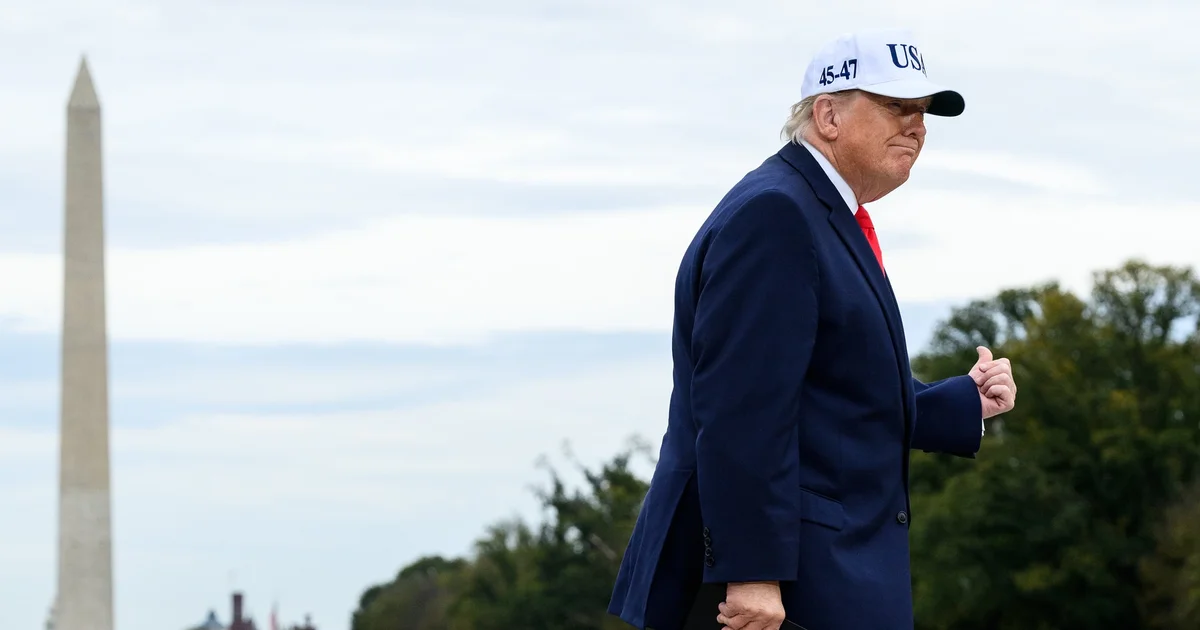
Given the absolute repudiation of Trump’s political project, Republicans looking to run for president – or for any prominent office – in 2028 must decide whether to continue to embrace Trump’s agenda or to find a new path forward.
Some, especially those closely tied to Trump now, will double down. This will be a political calculation, hoping that Trump will carry them through a primary. Others will attempt to lead a new Republican Party, one that risks Trump’s ire while he still serves in the White House and, ostensibly, as the leader of the party.
While he is still in office, Trump still holds unilateral authority over foreign policy.
Prior to the midterm results coming in, Washington was chattering about renewed strikes on Iran and Trump refusing to concede the election result. Trump is protecting his ego with the idea that his name was not technically on the ballot – despite months of campaigning, asking Republican voters to act as though it was.
Trump loves nothing more than a winner. His social media posts in the aftermath of the election show contempt for the Republican Party that found small ways to pull away from him at the last minute, and a sort of deflated respect for the scale of the Democrats’ victory.
However, that leaves Trump in a dangerous and uncertain position.
He is equally likely to learn the lesson of these midterms and defang many of his foreign policy steps that led to a historic backlash against him as he is to double down, knowing that he faces no political future after he leaves office in January of 2029.
Foreign governments also now have to contend with a split power base in Washington. Trump’s ambassadors no longer speak for an administration with a mandate from the American people. Some of Trump’s phone calls to foreign leaders may be met with a hesitation as those leaders prefer to wait until a new administration takes power in 2029.
Lame duck periods usually come with this kind of reticence, but they don’t usually last two full years.












Leave a comment