



Deadlines matter. Without them, speed remains an aspiration rather than a requirement. Rapid finance should reach countries within 14 days of a declared sudden-onset disaster, a pace regional pools already achieve, while recovery grants should be decided within about 90 days of a request. The Fund does not currently publish a clear measure of how long support takes to reach affected communities. That absence of accountability is part of the problem.
The problem is not the mandate. It can be read broadly, covering economic and non-economic losses from extreme events and slow-onset change, with a focus on residual needs that humanitarian assistance, adaptation finance and other arrangements do not adequately meet. The bigger question is whether the Fund is willing to work through channels that can move money quickly.
Australia and Canada matter here not as donors seeking credit, but as partners with long-standing obligations to climate-vulnerable countries in the Pacific and Caribbean. Their regional relationships offer practical examples for reform. Australia’s support for the island-owned Pacific Resilience Facility (Opens in new window) and the Canada-CARICOM Climate Adaptation Fund (Opens in new window) show how regional institutions can pool risk, subsidise access and release finance quickly. The lesson is not that these mechanisms should replace the Fund, but that it should capitalise, connect and scale up the bodies that already know how to deliver.
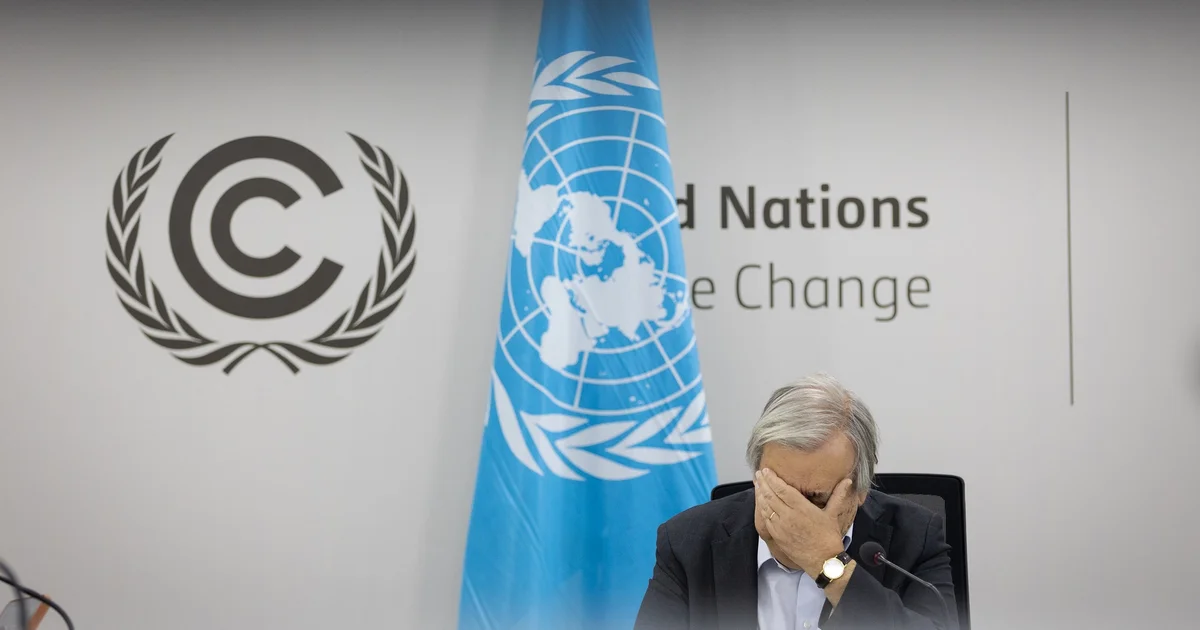
COP31 in Antalya is where that shift could begin. The immediate task is to accelerate FRLD delivery through pre-approved triggers, firm timelines and institutions that have already shown they can move money quickly. But a faster Fund is only half the answer. Australia, Canada and other partners should also press for a wider system in which the FRLD works with regional funds, risk pools, social protection programmes and national institutions under shared standards for access, accountability and results. The goal is not simply to make the FRLD faster, but to reposition it from a project fund into the coordinating hub of a broader loss and damage finance system.
The debate over loss and damage finance has focused on scale. The next phase must also focus on delivery. Accelerating the FRLD is essential, but no single fund can meet the full spectrum of climate losses. The larger task is to build a system in which global, regional and national institutions each do what they do best. Otherwise, the world may succeed in creating a loss and damage fund while failing to create a loss and damage finance system.
Disclosure: IDRC funded the research cited here, and Bhim Adhikari works there. The views are the authors’ own.










Leave a comment