


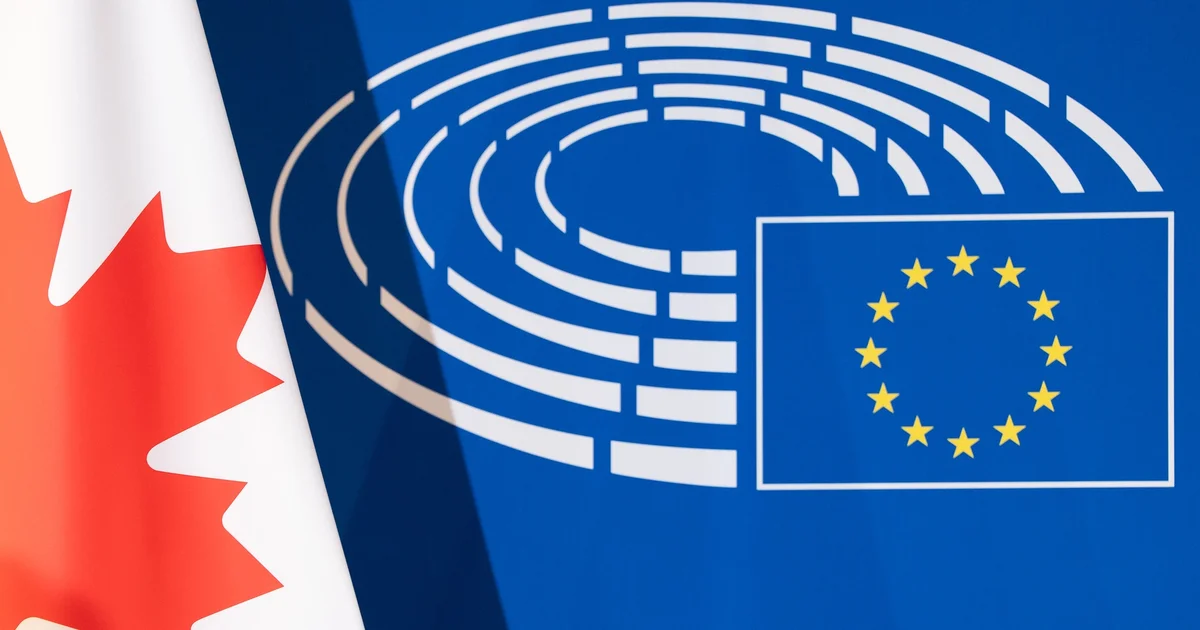
The next logical step would be to elevate the relationship to the “highest level possible”, which von der Leyen and Carney labelled as the “Alliance for the Future”, signalling a move from trade-focused collaboration to “a common prosperity and economic security space”. This would involve “deep cooperation in the full range of strategic capabilities”, including critical minerals, advanced technologies and defence.
By pooling resources and strengthening existing initiatives, such a partnership could provide an overarching framework through which these existing and emerging forms of cooperation between the EU and Canada could be structured and expanded.
Carney said the alliance “would create a beacon for other democracies” and be “open enough that others can join”. That raises the prospect that Australia, as a like-minded democracy, might pursue a similar path.
Yet Canada also brings assets to its relationship with the EU that Australia cannot replicate. The Arctic will be “a flagship joint project”, reflecting Canada’s unique geographic position. As geopolitical competition intensifies and climate change creates new economic opportunities, the Arctic has become a region of growing strategic relevance (Opens in new window). This might help explain why Canada has emerged as the first candidate for the EU’s Alliance for the Future.
Australia’s relationship with the EU is on a similar trajectory to Canada’s, although it has not yet reached the same maturity. While negotiations for the EU-Australia Free Trade Agreement (Opens in new window) concluded in March this year, the deal is yet to be formally concluded, and it could take another year or more before entering into force. Australia and the EU have already concluded partnerships on critical minerals and defence. The newly announced European Corporation on Critical Raw Materials (Opens in new window), intended to enable joint EU stockpiling alongside a larger competitiveness fund, is likely to become one of the foundations of enhanced collaboration.
Canada can provide the minerals, while Europe and Canada can jointly invest in advanced processing capabilities and integrated value chains. Australia could equally contribute and benefit from such an arrangement, as part of a broader economic security agenda.
Australia’s geographic position offers advantages of its own in the Indo-Pacific, where the EU is reassessing its strategic relationship and where Australia is emerging as a key partner for Europe.
Canada may again be first. Australia, however, should pay close attention.








Leave a comment