


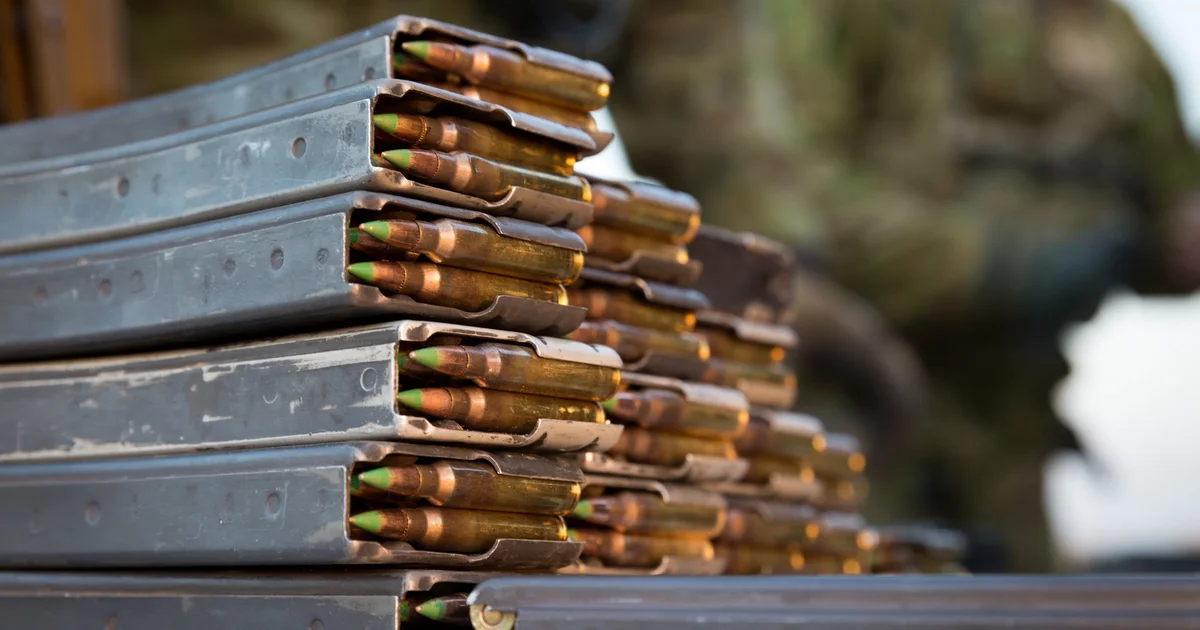
At a minimum, Australia should fund the development of the safe storage of government armouries (if assistance is needed by PNG). It also means clarifying the standard against which its security will be assessed, having the assessment done independently, and publishing the result. Having Polewara provide his own verification would seem essential, given his earlier statement – and only then releasing the rifles.
The Arms Trade Treaty (Opens in new window) places obligations on an exporting state, Australia in this case, before authorising a transfer, to assess whether the arms would “contribute to or undermine peace and security”. This includes the potential for “serious violations of international humanitarian or human rights law, or offences relating to terrorism or transnational organised crime”, as well as the risk of weapons “being used for serious acts of gender-based violence or violence against women and children.”
The Treaty also explicitly requires the exporter to assess the risk of diversion of the weapons, and to consider mitigation measures to ensure that does not occur. These obligations place serious responsibilities upon Australia before it can make the decision to export the guns.
PNG has a massive problem with illegal guns. It was only last week that Police Minister Sir John Pundari called illegal firearms the country’s “enemy number one (Opens in new window)” and had “become one of the biggest threats to peace and security in the country, fuelling tribal fights, murders, rapes, armed robberies, vehicle thefts, drug trafficking and other serious crimes”.
It is well established that state armouries are a major source of supply of illegal guns and ammunition. When Philip Alpers surveyed (Opens in new window) the Southern Highlands for the Small Arms Survey more than 20 years ago, he found that around 75% of the high-powered weapons in the province were believed to have been sourced internally, from the police or the defence force, rather than smuggled across an international border. That finding has not changed over time, as was documented in 2024 by the ABC (Opens in new window), and is regularly echoed by local observers of gun violence in the PNG Highlands. As one community elder in Western Highlands put it, “the bullets don’t come from the bush, they come from the uniforms”.
Polewara has said as much, telling the ABC (Opens in new window) about seizures at checkpoints in Enga whereby “we can ascertain that some of the weapons from the military have changed hands into the warlords”. Jerry Singirok, himself a former PNGDF Commander and who chaired PNG’s first National Gun Summit in 2005, also stated (Opens in new window) that PNG had “absolutely lost control” of illegal weapons over the past two decades.










Leave a comment