


Last month, US Senator Tammy Duckworth warned that China may be more likely to impose an economic blockade on Taiwan in 2028 than launch a full-scale invasion. The most consequential part of her warning was not the proposed timing, but the method.
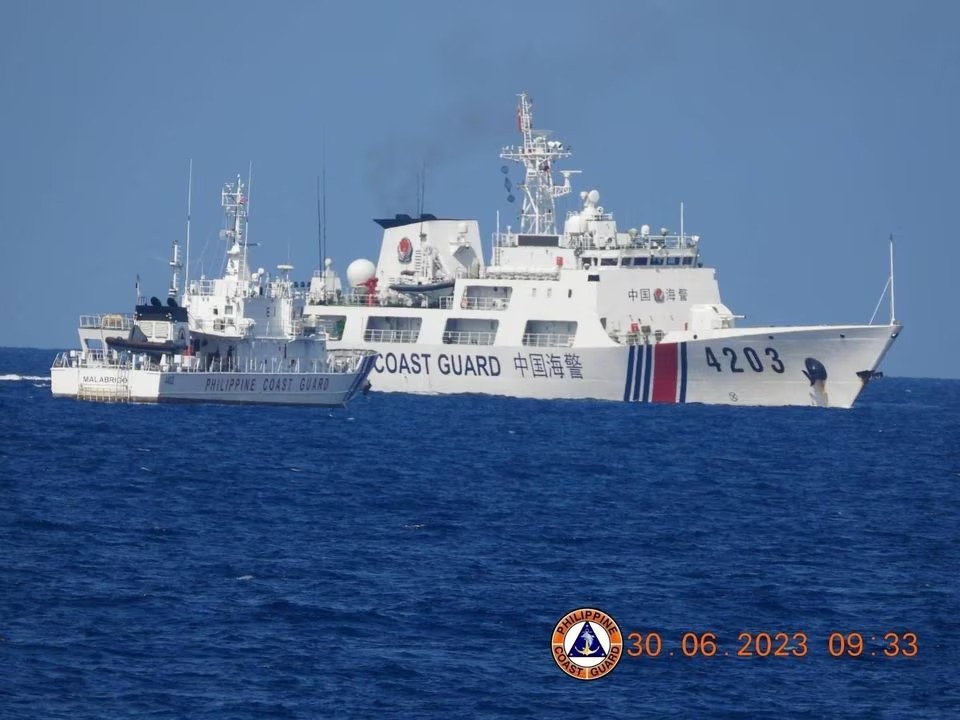
Beijing could require commercial vessels entering the Taiwan Strait to report to the China Coast Guard for an escort, ostensibly to ensure their safety. China would not need to declare a blockade or immediately prevent every vessel from reaching Taiwan. It could instead present its actions as routine maritime regulation and force shipping companies to choose between complying with Chinese instructions and challenging them.
Australian discussions about a Taiwan conflict often concentrate on the most dramatic questions: whether China would invade, whether the United States would intervene and whether Australia would contribute military forces. Those questions matter, but Beijing’s preference is likely to be trying to establish control over Taiwan’s maritime approaches without initiating a highly risky conflict.
An economic blockade would exploit the uncertain space between peace and armed conflict. China could announce new reporting requirements, inspection procedures, exclusion zones or compulsory escorts. It might selectively delay or divert vessels rather than close the strait entirely. Coastguard and maritime-law-enforcement ships could take the lead, with the Chinese army remaining nearby or in the background.
Beijing would almost certainly describe these measures as necessary to preserve navigational safety and regional stability. It could accuse Taiwan of creating the crisis and portray foreign governments or shipping companies that refused to comply as irresponsible.
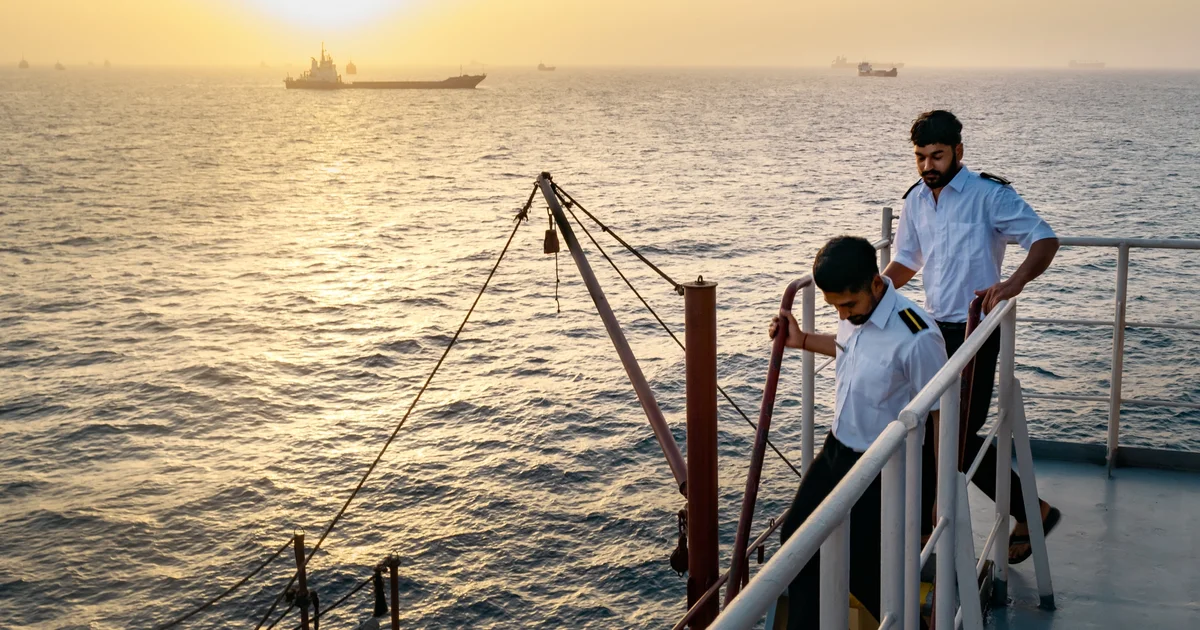
Commercial caution could then do much of Beijing’s work. Shipping companies might comply with Chinese instructions to protect crews, vessels and cargo. Insurers could withdraw coverage or impose prohibitive premiums. Ports and logistics companies might suspend Taiwan-bound services. Energy suppliers could delay shipments rather than risk becoming involved in a geopolitical confrontation. Each decision could appear commercially rational. Collectively, however, they could help China establish effective control over access to Taiwan without having to formally announce a blockade.
Duckworth’s warning is particularly important because her scenario emerged from a US Senate tabletop exercise examining a potential Chinese attack on Taiwan. She argued that an economic blockade was more likely than a direct military assault and cautioned against allowing restrictions on international waterways to become normalised.
Australia would be unable to treat such a crisis as a distant dispute. Its economic security depends on open regional sea lanes and the principle that major powers cannot unilaterally impose control over international waterways. A successful Chinese effort to regulate access to Taiwan would also establish a dangerous precedent for the wider Indo-Pacific.
The immediate challenge for Canberra would be that its most consequential decisions might concern private commerce rather than naval operations. Would the Australian government advise Australian-owned or Australian-linked vessels to ignore Chinese reporting and escort requirements? Would it provide financial guarantees or insurance support to companies willing to continue serving Taiwan? Would it treat the boarding, diversion or detention of a commercial vessel as an act of coercion requiring sanctions? The answers to these questions cannot be improvised once a crisis begins.
Australia should first develop a clearer policy definition of a coercive blockade or quarantine. Beijing’s terminology shouldn’t determine Canberra’s response. Measures designed to restrict Taiwan’s access to international shipping should be recognised for their strategic effect, even when presented as customs enforcement or maritime safety.
Canberra should also begin structured consultations with shipping companies, port operators, energy suppliers and insurers. The government needs to understand how these industries would respond to Chinese instructions and what support they would need to continue operating. Without prior planning, commercial actors would understandably default to avoiding risk.
Australia should conduct tabletop exercises that include not only defence and foreign-policy officials but also officials responsible for trade, transport, energy and finance. A quarantine would create economic, legal and diplomatic problems before it became principally a military one.
Coordination with regional partners would be equally important. Governments should establish in advance which Chinese actions would trigger coordinated diplomatic pressure, sanctions, freedom-of-navigation operations or assistance to commercial shipping. Naval transits alone would not preserve Taiwan’s commercial access. Australia and its partners would also need practical options for sustaining flows of energy, food and other essential goods.
The purpose of this preparation would not be to make confrontation inevitable. It would be to deny Beijing the assumption that ambiguity would cause paralysis. China may calculate that other governments would hesitate to challenge a blockade that did not look like one. It may also expect individual companies to comply before democratic governments can agree on a response.
Effective deterrence requires more than preparing to defeat an invasion. Beijing must also believe that an attempt to isolate Taiwan through maritime regulation, commercial intimidation and coastguard enforcement would encounter an organised international response.

State of the Strait is available here. Governments and organisations can contact [email protected] to discuss co-funding this project and gaining access to the entire State of the Strait database.







Leave a comment