


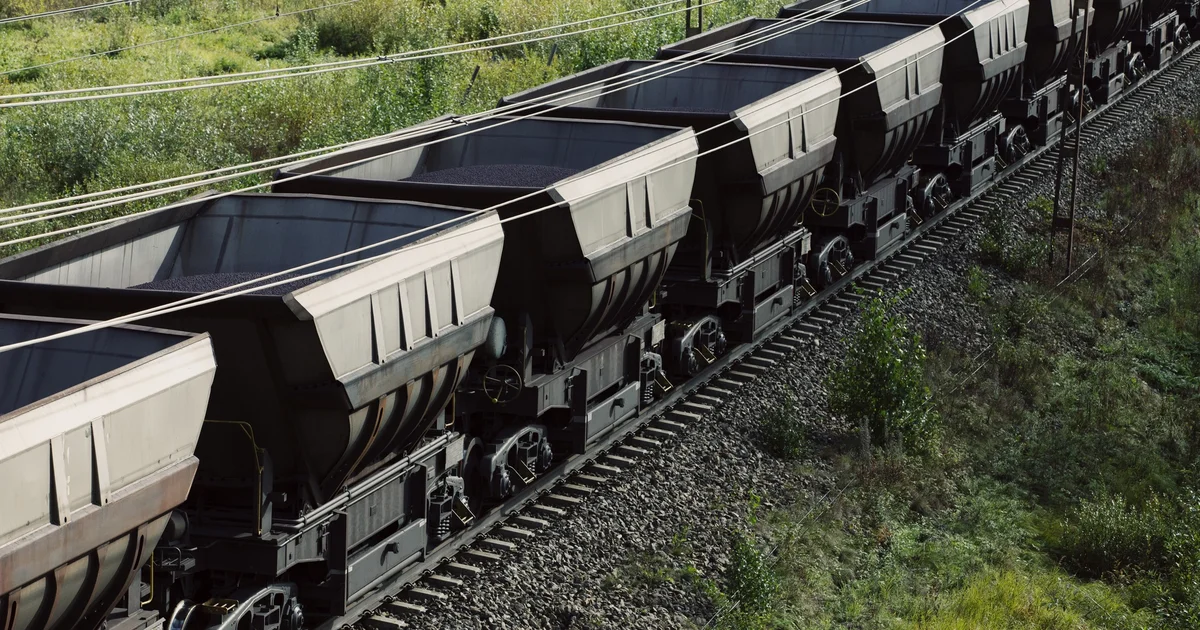
Australia has big ambitions for green iron – produced by using renewable electricity and hydrogen rather than fossil fuels to extract iron from ore. But the hope largely rests on a bet about China’s steel trajectory. China produces more than half (Opens in new window) of the world’s steel, making its decarbonisation pathway critical to the future of global green iron trade.
As Canberra looks beyond raw iron ore exports towards green iron, it is often assumed that China’s steel decarbonisation will create a major new market for low-emissions iron. But if Canberra misreads how China decarbonises steel, it risks misjudging both the size and timing of one of Australia’s most consequential future export opportunities.
The anticipation is understandable. Around the world, deep decarbonisation of steel is associated with hydrogen-based direct reduced iron (DRI), making countries with abundant renewable energy and high-quality iron ore, such as Australia, obvious candidates to export green iron.
Yet this assumption overlooks an important reality: China’s steel industry is larger, younger, and structurally different from those of Europe or Japan. The opportunity for Australian green iron will depend less on whether China decarbonises its steel sector than on how it chooses to do so.
Rather than replacing one production route with another, China is likely (Opens in new window) to combine more efficient blast furnaces, greater scrap use, gradual expansion of electric arc furnaces (EAF), hydrogen demonstration projects, and declining steel demand to achieve its steel decarbonisation targets.
Unlike Europe or Japan, China has invested heavily in modern blast furnace capacity over the past two decades. Rather than scrapping them prematurely, China is more likely to pursue emissions reductions by improving the efficiency of existing facilities, increasing scrap use, and progressively introducing lower-carbon technologies where commercially viable.
Hydrogen-based steelmaking is likely to play a role in the long-term, but commercial deployment remains constrained (Opens in new window) by the cost of green hydrogen and the need for new infrastructure. For the coming decade, hydrogen DRI is more likely to complement than replace existing production routes.







Leave a comment