



They are also adept manipulators of the information space, attacking democratic systems and sharing techniques through programs that bring editors, producers and media managers to Beijing and Moscow to learn and coordinate their information assaults. They also push out their ideas through think tanks, summits and forums, such as Hungary’s Danube Club, Russia’s Valdai Club and China’s Xiangshan Forum, among many others.
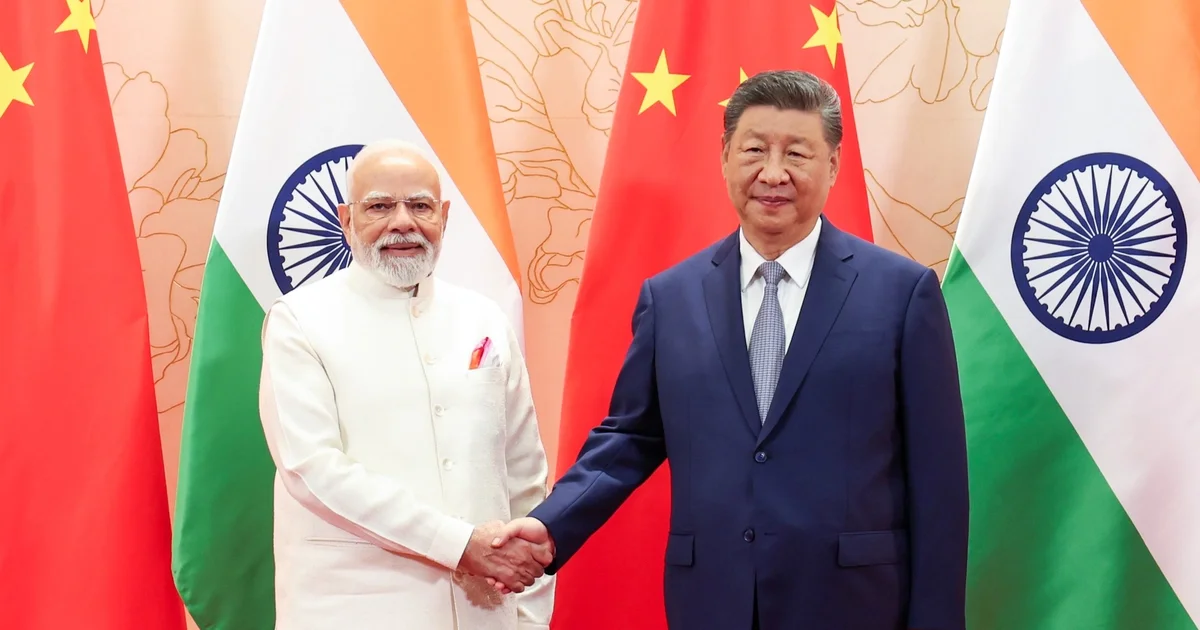
Entrepreneurial and creative as they have been, the movement remains partial. There is not yet a coherent global bloc. The foundations of cooperation remain weak, while the interests and values of the group are diverse and diverging; there is no accepted global leader.
But cooperation among illiberal states is real, routinised, multidimensional and increasingly well resourced. Their ideas have strong appeal in a rising global tide of illiberalism.
As a country whose interests and values are bound up in the liberal order, Australia must recognise the challenge it faces. The turbulence of the current period is not just the product of Sino-American competition or Russian revanchism. It is also driven by coordinated efforts to recast the ideas and institutions on which the global system operates.
What can be done beyond recognising the reality and scale of the contest?
Canberra must work with others to repair the institutional setting whose shortcomings gave authoritarians the opportunity to build alternatives.
Australia should also develop collaborative networks to harden the social and economic infrastructure of open societies. Supply chain resilience, critical infrastructure, internet governance standards and social cohesion all need shoring up. International cooperation can advance those goals while strengthening the broader collaborative environment.
Illiberal states are working together to upend the international order that has served Australia well. But their coalitions are thin and their interests divergent. Australia and like-minded countries should apply pressure to those cracks to fracture the rising illiberal order before it becomes better organised and entrenched.
Nick Bisley’s Analysis paper, The rise of authoritarian cooperation: A new illiberal order? (Opens in new window) was published by the Lowy Institute this week.










Leave a comment