


Australia’s housing debate is too often framed as a contest between investors and first home buyers. For northern Australia, the stakes are much higher. Housing shortages are increasingly constraining workforce development, critical infrastructure delivery, defence expansion and disaster resilience. The question is no longer whether housing is affordable; it is whether Australia’s housing system supports the nation’s strategic objectives.
Canberra should use the current housing tax reform to ensure tax concessions reward productive investment and long-term ownership. Canberra should increase supply, invest in key worker accommodation and make greater use of modular and prefabricated housing. They should also aim for closer alignment between housing delivery, infrastructure planning and defence investment.
The 2023 Defence Strategic Review, Australia’s ambitions in critical minerals and northern Australia’s policy agenda all depend on one fundamental enabler: people. Yet attracting and retaining workers in the north is becoming increasingly difficult as housing availability and affordability deteriorate. From Darwin to Townsville and Karratha, employers report that housing shortages are limiting recruitment, delaying projects and reducing the region’s capacity to support national priorities.
The Joint Standing Committee on Northern Australia’s inquiry into workforce development found that housing – both its affordability and availability – was the number-one issue affecting the region’s ability to attract and retain skilled workers. That finding should prompt Canberra to reassess whether Australia’s housing tax settings are aligned with its broader strategic objectives.
For decades, the Australian government has sought to improve affordability, encourage investment, increase supply and support home ownership through grants, tax concessions, planning reforms and social housing programs. While many policy changes have delivered benefits at the margins, the incentives underpinning Australia’s housing system have remained largely unchanged. House prices have consistently outpaced wage growth, home ownership has become harder for younger Australians and housing shortages continue to constrain communities across the country.
The current debate around negative gearing and capital gains tax concessions provides an opportunity to change Australia’s housing tax settings so that they remain fit for purpose. They currently favour leveraged property investment over owner-occupation by allowing investors to deduct interest costs and benefit from concessional capital gains treatment, while owner-occupiers service mortages from after-tax income. The key policy question is whether those incentives serve Australia’s broader economic and strategic interests.
Northern Australia illustrates why this matters. Defence expansion, critical minerals development and major infrastructure projects all depend on attracting workers, yet housing in the region is insufficient and unaffordable. Housing cannot be viewed as a social policy issue or an investment class. It needs to be a strategic enabler of workforce mobility, regional development and national capability.
A rebalancing needn’t be punitive or retrospective, and it can preserve market stability while gradually shifting incentives. The government announced reforms moving in this direction in the 2026–27 Budget, limiting negative gearing to new builds and replacing the capital gains tax discount with cost base indexation and a minimum tax from July 2027.
While these measures are not yet law and face an uncertain path through the Senate, Canberra should take this opportunity to rethink how housing tax settings support Australia’s broader strategic objectives.Tax concessions could be redesigned to reward productive investment and long-term ownership rather than speculative demand, and greater support can be provided to owner-occupiers, recognising the economic and social value of home ownership.
Housing tax reform should be guided by outcomes rather than ideology. The question is not whether investors or owner-occupiers should be favoured, but whether the current settings are helping Australia achieve its economic, social and strategic objectives.
For northern Australia, the need for change is increasingly urgent. Shortages are constraining workforce growth, limiting labour mobility and making it harder for regional communities to attract and retain the people to run key strategic projects and essential services. While the Treasury projects that the budget reforms will add around 75,000 owner-occupiers over a decade, the focus is on affordability and fairness, not workforce and capability outcomes. If housing is to support national capability, it must be assessed against these outcomes as well as the traditional measures of affordability and investment activity.
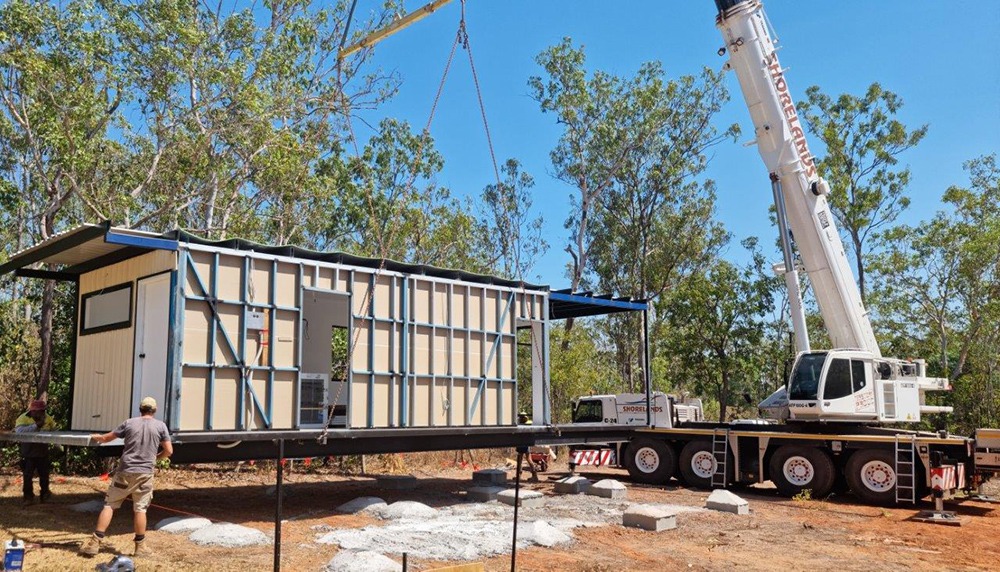
Tax reforms alone will not solve the problem. Canberra must work with all levels of government to increase supply through targeted incentives for new housing construction, provide stronger support for key worker accommodation, and make greater use of modular and prefabricated housing. They should also aim for closer alignment between housing delivery, infrastructure planning and defence investment.
Canberra has an opportunity to move beyond incremental changes to housing policy. It should use housing tax reform to better align Australia’s housing system with its strategic objectives, strengthening home ownership, workforce mobility, regional development and national capability.
















Leave a comment