


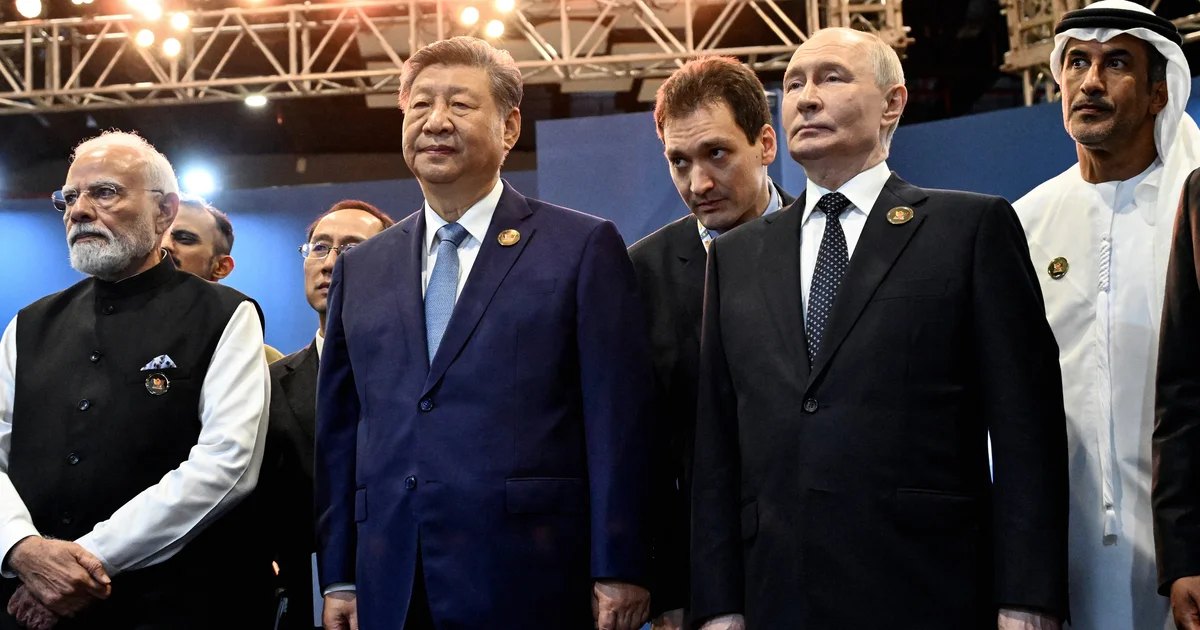
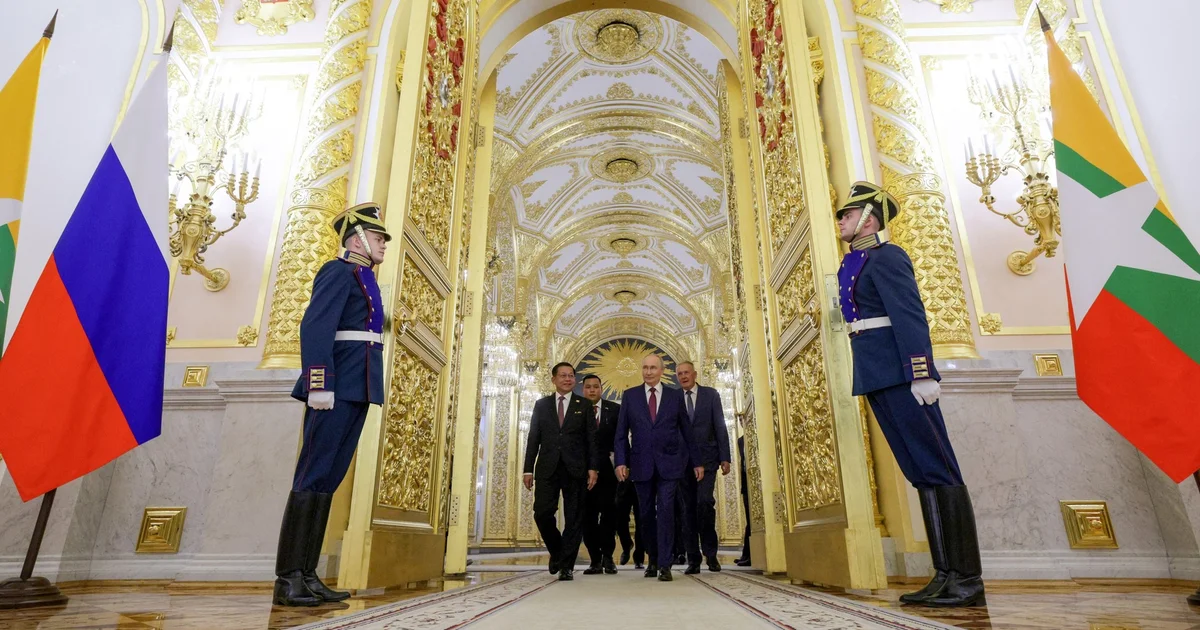
The two-day BRICS summit in New Delhi, held over the weekend, brought together leaders from the Global South including India, China, Russia, Iran, the UAE, Brazil, South Africa, Indonesia, Egypt, Ethiopia.
It was the 18th such summit, and was watched closely around the world, coming at a time when there is recognition that the existing order is waning. A long-running war in Ukraine, the war in Iran entering its sixth month, a flaccid international response to an alleged genocide in Gaza, intensifying US-China rivalry and frustration over US tariffs have combined to create a vibe that perhaps we should make space for multipolarity.
India would love for BRICS to be the vehicle for this, working overtime to ensure Xi’s appearance, despite the tensions over borders and territory between them. It succeeded, with Xi’s first visit to India in seven years. This summit was a definite step forward, particularly with the long and detailed New Delhi Declaration that was reached on Sunday.The declaration was a breakthrough as the bloc had been unable to reach consensus at a May meeting of foreign ministers.
The declaration called for, along with the aforementioned things, reforms to the United Nations and the Security Council, the World Bank and the International Monetary Fund. It also sought to strengthen the financial positions of the Global South, opposing sanctions and coercive economic measures, and favoured more use of local currencies in international trade. It voiced concern over drug production and trafficking, reaffirmed commitment to humanitarian cooperation, and called for space research (Opens in new window) to be used for peaceful purposes. In all, there are almost 140 clauses. It is wide ranging and there is a lot in there, and the throughline is that the Global South wants a greater say in how the international system operates, how global institutions are run, and how their own states are treated.










Leave a comment