


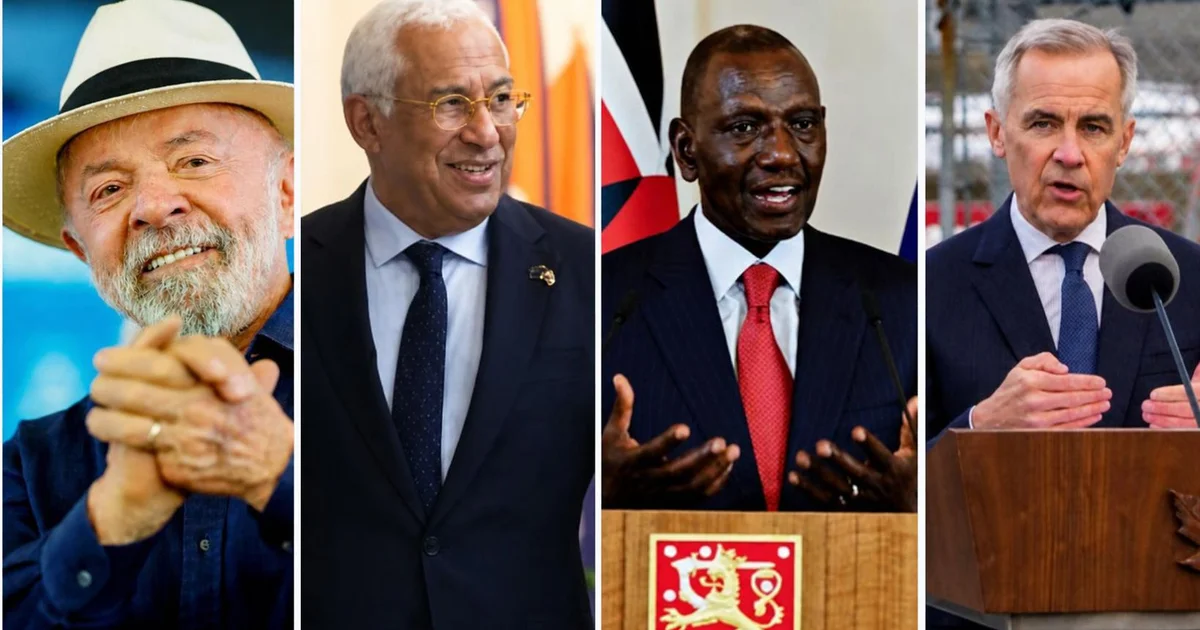
The United States will be wary. Donald Trump’s animus toward world organisations in general – and Carney in particular – is well documented. Senior Pentagon official Elbridge Colby recently dismissed the “hubbub” about middle power coalitions, calling instead (Opens in new window) for a philosophy of “flexible realism”.
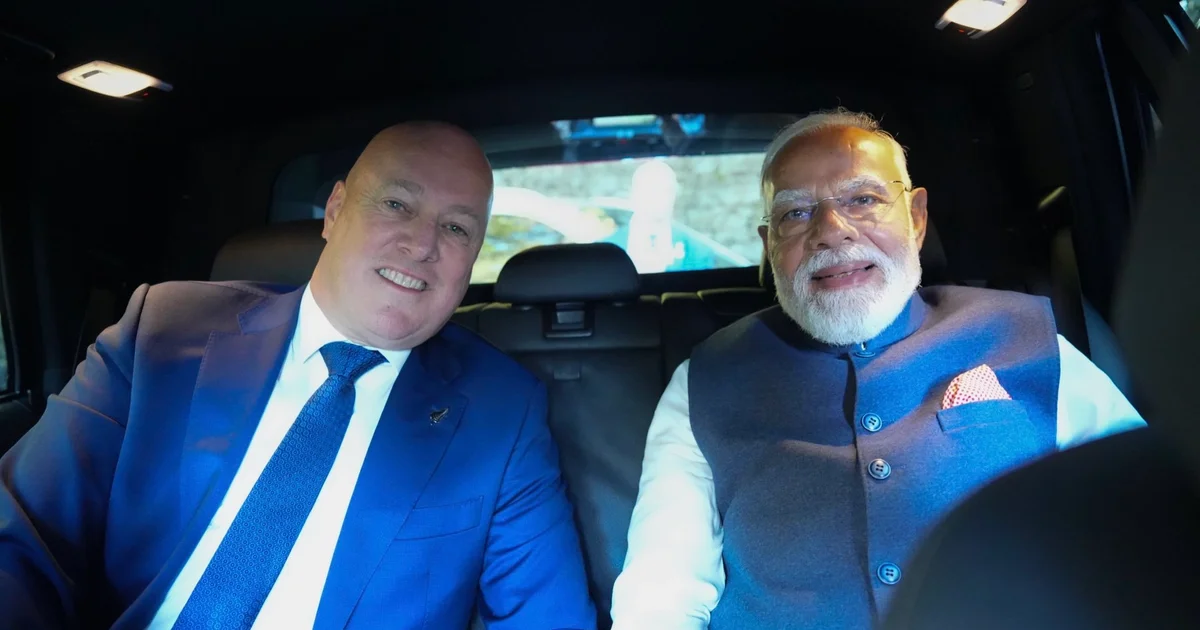
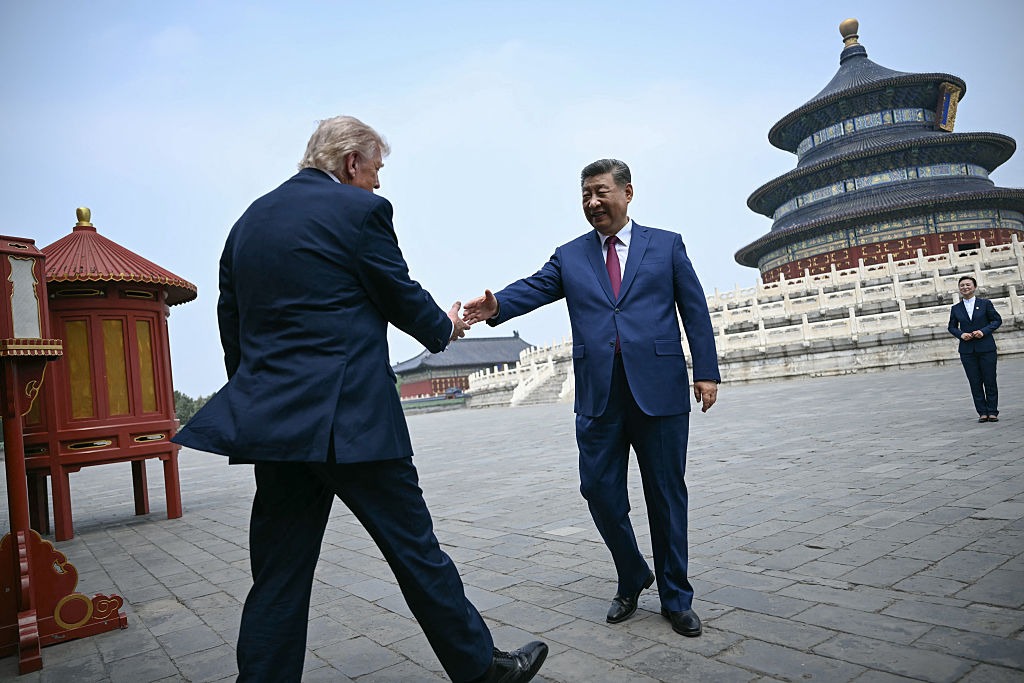
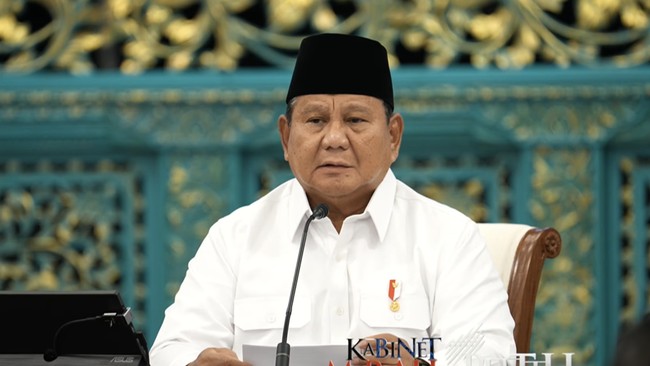
Doubts about whether P4M will gain traction become evident in what the four leaders write. Quick to define what they don’t want – it “is not about creating another exclusive bloc or another international bureaucracy” – they say:
“Its purpose is the opposite: to create a flexible, open framework for countries from different regions and political traditions that are willing to work across divides, to build coalitions for reform and to translate shared principles into practical action.”
That sounds a lot like the very purpose of diplomacy.
So, while putting a label on a new initiative helps with marketing, the point seems to be a renewed statement of old principles. To translate them into practical measures they will need the heft of a bureaucracy.
And that’s been a problem in the modern era. Each time the world has confronted a crisis, the reflex has been to set a new table for leaders to gather around and dine out on global ills.
The COP summits for climate change.
The G20 after the global financial crisis.
Don’t like the G7? Set up BRICS. Feeling left out? MIKTA is the answer (Opens in new window) from Mexico, Indonesia, South Korea, Türkiye and Australia.
None are without achievements. But whether it is the Quad or the East Asia Summit, the proliferation of these meetings, especially at leader-level, puts an extra burden on already over-worked individuals. Now we can add the P4M. After the fanfare of a launch, these groupings quickly descend into busy-work, the impression of action by scheduling, deciding hosting rights, crafting communiques and setting agendas for working groups. Outcomes drift.
So, by all means, get stuck into fixing the blocked plumbing of global affairs to ensure the connections flow again. But it is grubby work of compromise, working not only with those “like-minded” countries but convincing recalcitrants that supporting broader principles is itself a potent form of power.
The world doesn’t need another venue for debate. It has one. The United Nations.








Leave a comment