


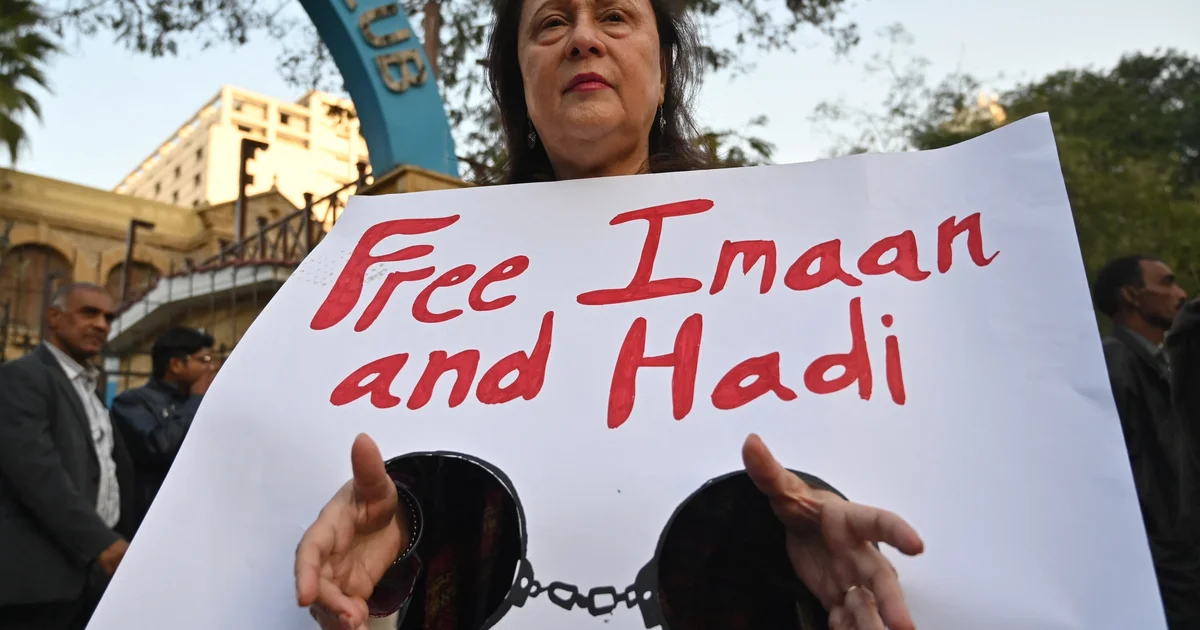
While Islamabad’s police commandeer containers from truck drivers and barricade the city’s streets against protesters, the nation’s leaders are basking in their new profile as would-be peacemakers.
Prime Minister Shehbaz Sharif took a seat at the diplomatic top table in June, helping to broker the so-called Islamabad Memorandum of Understanding between the United States and Iran, aimed at ending a war now in its eighth month and threatening global economic disaster. China has publicly backed Pakistani efforts.
The agreement is again being discussed (Opens in new window) as the war grinds on, giving Sharif and army chief Asim Munir – seen by many as the most powerful man in the land – international prominence even as their grip tightens at home.
The government has plenty to occupy it beyond silencing critics. It is fighting the Pakistani Taliban (TTP) and the separatist Baloch Liberation Army, while renewed airstrikes on targets in neighbouring Afghanistan and border clashes with the Taliban regime have compounded security troubles.
Pakistan is also negotiating (Opens in new window) with the International Monetary Fund for the next tranche of a US$7 billion financing package and a separate climate facility; successful reviews could unlock roughly US$1.2 billion.
Cash-strapped Pakistan has reportedly (Opens in new window) tried to turn its “diplomatic goodwill” into a US$10 billion exchange stabilisation fund, while Washington seeks (Opens in new window) greater involvement in Pakistan’s critical minerals sector.
Economic stabilisation has brought little respite from the accumulated cost of inflation, insecure employment and poverty. Floods, extreme heat and other climate shocks threaten livelihoods and stretch already strained public finances.
The diplomatic kudos enjoyed by Pakistan’s leaders has little impact on the lives of ordinary Pakistanis and offers scant protection to their critics at home.
Mazari-Hazir and Chattha’s client list reads like a register of rights abuses by successive Pakistani administrations, including Khan’s: journalists, ethnic minority activists and families who have spent many years (Opens in new window) searching for disappeared relatives.
The consequences of their incarceration extend beyond the couple. Vulnerable clients are denied legal representation and other lawyers receive a clear warning of the potential cost of challenging the authorities. A succession of charges laid by the government on purported national security grounds can keep a critic occupied, impoverished or behind bars, even when a court grants relief.
The same pressure bears on the media. The Committee to Protect Journalists and eight partner organisations (Opens in new window) recently called on the Pakistani authorities to end restrictions on reporting, interference in newsrooms, communications blackouts and criminal investigations of journalists.
Independent journalists do continue to work, but every investigation, prosecution, or sacking due to government pressure gives others a reason to calculate the high cost of critical reporting.
This is the domestic setting in which Pakistan’s diplomatic ascent should be judged. Leaders’ access to Washington and their attempts at peace brokering may be useful in a dangerous war. That usefulness does not make the imprisonment of rights lawyers, the pursuit of journalists and activists, or the barricading of the capital any less consequential.
Islamabad wants to be heard abroad while making it ever more difficult for Pakistanis to be heard at home.













Leave a comment