


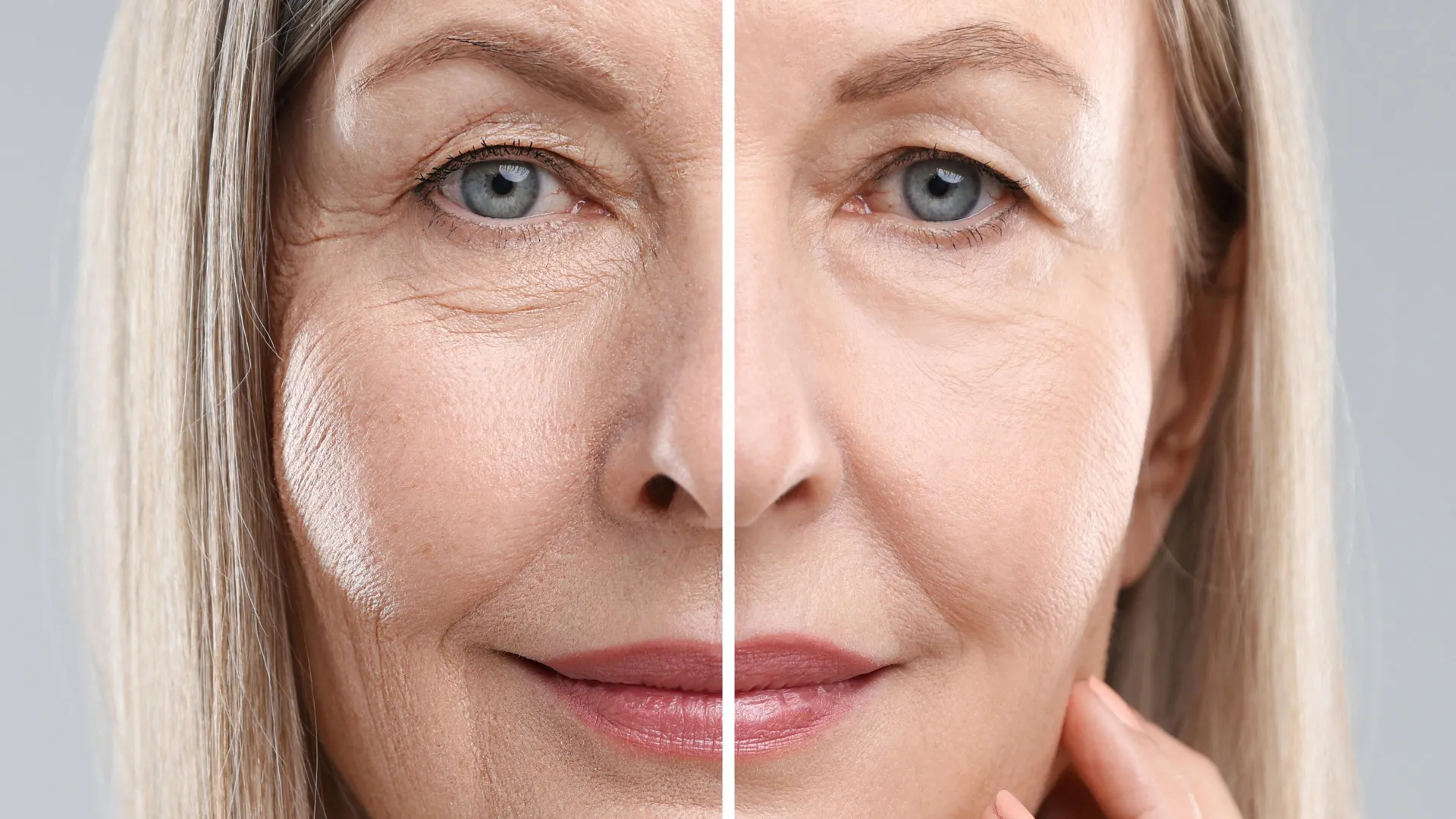
Older adults may be able to shift important markers of aging in a surprisingly short amount of time simply by changing what they eat.
New research from the University of Sydney found that Australians aged 65 to 75 who reduced either dietary fat or animal-based protein showed signs of a lower biological age after just four weeks. Biological age is an estimate of how old the body appears based on its health and physiological condition, rather than the number of years a person has been alive.
The findings were published in Aging Cell and were led by Dr. Caitlin Andrews from the University of Sydney’s School of Life and Environmental Sciences.
Although the results suggest that diet may influence aging-related health markers relatively quickly, the researchers stress that the findings are preliminary. Longer studies will be needed to determine whether the changes persist, whether they translate into a lower risk of age-related disease, and whether similar effects occur in younger or different populations.
What Biological Age Actually Measures
Everyone grows older at the same rate chronologically, but biological aging does not necessarily follow the same schedule.
Two people of the same chronological age can differ considerably in cardiovascular health, metabolism, inflammation, and other measures of how well the body is functioning. These differences help explain why one person may remain relatively healthy and resilient later in life while another develops age-related health problems earlier.
Scientists can estimate biological age by analyzing biomarkers, measurable features of the body that provide information about health and physiological function. Researchers often use combinations of these markers to create a broader picture of how the body is aging.
For this study, the team combined information from 20 different biomarkers, including blood levels of cholesterol, insulin, and C-reactive protein. C-reactive protein is commonly used as a measure of inflammation in the body.
Together, these measures were used to calculate a biological age score for participants in the Nutrition for Healthy Living study conducted at the University’s Charles Perkins Centre.
Four Different Diets Put to the Test
The Nutrition for Healthy Living study included 104 participants who were randomly assigned to one of four diets.
Every diet provided 14 percent of total energy from protein. Two of the diets were omnivorous (half coming from animal sources and the rest from plants), while the other two were semi-vegetarian (with 70 percent of protein coming from plant sources).
Within those groups, participants were assigned either a diet higher in fat and lower in carbohydrates or one lower in fat and higher in carbohydrates.
That produced four dietary groups: omnivorous high-fat (OHF), omnivorous high-carbohydrate (OHC), semi-vegetarian high-fat (VHF), or semi-vegetarian high-carbohydrate (VHC).
Participants’ BMI (body mass index) ranged from 20-35. All were non-smokers and non-vegetarians, and none had serious complications (e.g., type-2 diabetes mellitus, cancers, renal or liver disease) or food allergies and/or intolerances.
Three Diet Groups Showed Younger Biomarker Profiles
The omnivorous high-fat group experienced no meaningful change in the biological age calculated from their biomarker profiles. That diet was also the most similar to what participants had been eating before the study began.
The other three groups, however, all showed reductions in the estimated biological age of their biomarker profiles.
The strongest statistical evidence appeared in the omnivorous high-carbohydrate group. Those participants ate a diet in which 14 percent of energy came from protein, 28-29 percent from fat, and 53 percent from carbohydrates.
Taken together, the findings suggest that reducing dietary fat, animal-based protein, or both may influence aging related biomarkers in older adults over a relatively short period.
However, a lower calculated biological age does not necessarily mean that the aging process itself has been permanently reversed.
Do the Effects Last?
Researchers do not yet know whether these changes in biomarker profiles will persist over time or lead to sustained biological age reversal.
They also cannot yet say whether the observed changes will ultimately reduce the risk of diseases associated with aging.
“Longer term dietary changes are needed to assess whether dietary changes alter the risk of age-related diseases,” said Associate Professor Alistair Senior, from the School of Life and Environmental Sciences and the Charles Perkins Centre, who supervised the research.
The study therefore provides an early signal rather than proof that changing diet can extend lifespan or permanently slow aging.
“It’s too soon to say definitively that specific changes to diet will extend your life. But this research offers an early indication of the potential benefits of dietary changes later in life,” said Dr. Andrews.
“Future research should explore whether these findings extend to other cohorts and whether the changes recorded are sustained or predictive of long-term outcomes.”















Leave a comment