


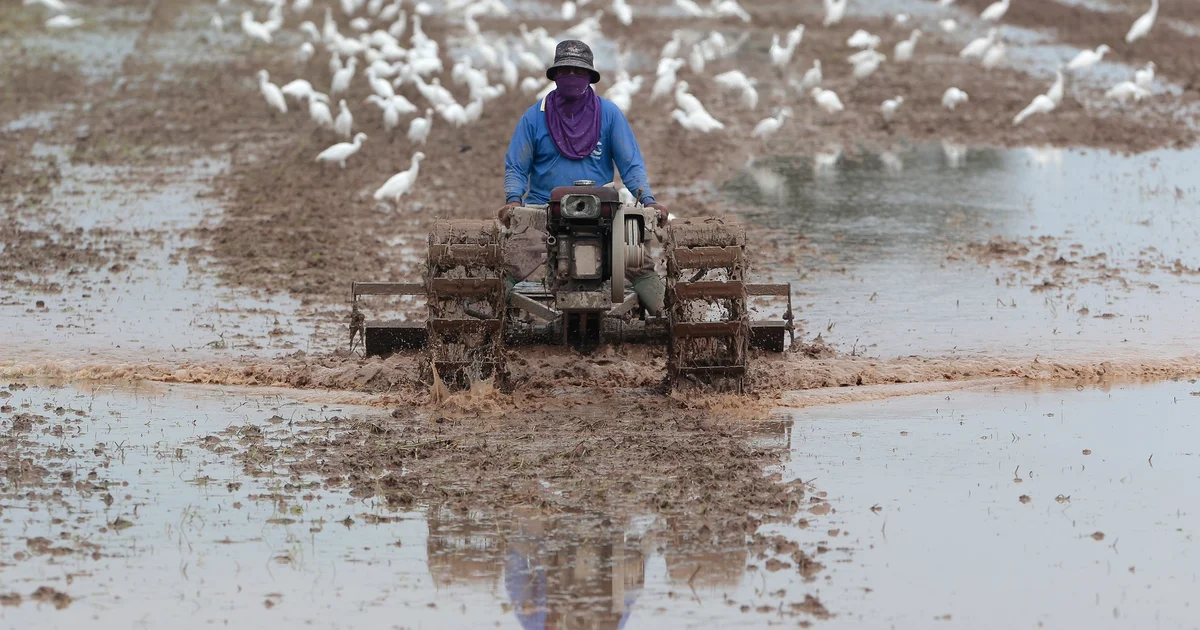
This history points to a growing challenge: it is no longer enough to produce more rice; the region must produce rice that can withstand a more volatile climate. Biotechnology could be central to closing this gap. With rice demand projected to increase alongside population growth and changing consumption patterns, securing the region’s rice supply may ultimately be a race to innovate.
With extreme heat posing a long-term threat (Opens in new window) to rice production, biotechnology is emerging as a promising pathway to strengthening the region’s grain security. Conventional agricultural improvements alone may not be sufficient to keep pace with the scale and speed of climatic change. By developing crop varieties that are both more productive and resilient to environmental stresses, biotechnology offers a transformative solution for adapting agricultural systems to these urgent threats.
Efforts are already underway. The International Rice Research Institute (IRRI), for example, has developed “climate change-ready (Opens in new window)” rice varieties capable of surviving drought, submergence, and poor soil conditions. Similarly, gene editing technologies such as CRISPR (Opens in new window) (Clustered Regularly Interspaced Short Palindromic Repeats) are being used to accelerate the development of rice with targeted traits for stress tolerance and disease resistance.
Beyond genetic modification, biotechnology also encompasses innovations such as marker-assisted selection and nuclear techniques for mutation breeding, broadening the tools available to develop climate-resilient varieties. Collaborative initiatives (Opens in new window) across Southeast Asia are applying such technologies to strengthen climate-resilient rice production.
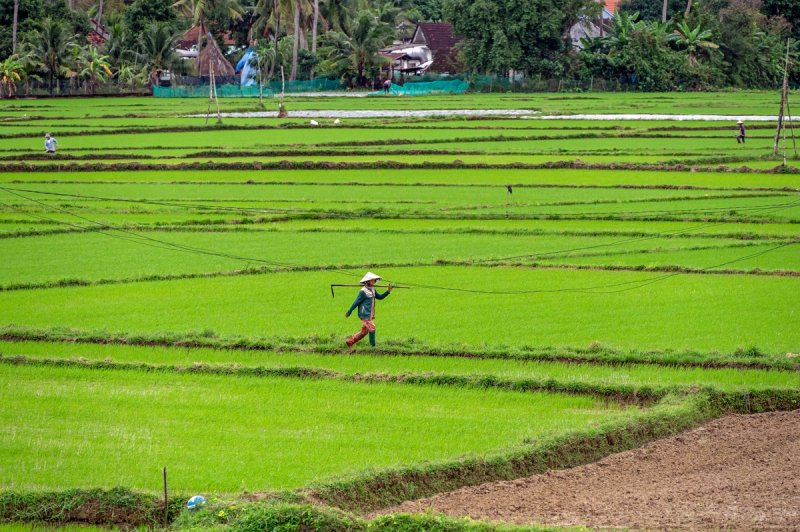
Biotechnology’s potential also extends beyond crop resilience. Biomanufacturing (Opens in new window) is another area of biotechnology in which rice and other grains could serve as platforms for producing high-value proteins, pharmaceuticals, and other biomolecules. Together, these applications illustrate how biotechnology is not just a solution for the distant future, but a practical tool that has already begun shaping agricultural adaptation on the ground.
Despite biotechnology’s importance to future grain security, its adoption faces challenges, particularly uneven access. Smallholder farmers, who make up a large proportion of the agricultural workforce, may lack the financial resources, technical knowledge, or institutional support needed to adopt new technologies. Biotechnology could thus exacerbate existing inequalities, benefiting larger commercial farms while leaving vulnerable communities behind. Regulatory and public acceptance of genetically modified organisms (GMOs) and gene-edited crops also remain challenging amid concerns over safety, environmental impact, and corporate control of seeds.
These challenges extend beyond biotechnology itself. Structural weaknesses in Southeast Asia’s food systems can also limit the benefits of technological innovation. Infrastructure gaps, including inadequate irrigation, storage, and distribution networks, continue to drive agricultural and post-harvest losses, from reduced crop yields to spoilage during storage and transport. Addressing these issues therefore requires complementary investments in logistics, rural development, and digital agriculture.
Regional cooperation will matter just as much. ASEAN countries can strengthen grain security through coordinated research, technology sharing, regional stockpiles, and trade strategies that help buffer supply shocks and stabilise food access. Existing ASEAN-CGIAR (Opens in new window) programs demonstrate the potential for regional collaboration on climate resilience, food security, and agricultural innovation.
As environmental pressures intensify and food demand grows, Southeast Asia faces a narrowing window to adapt its agricultural systems, with failure to do so risking declining yields, rising food prices, and heightened social instability. Maintaining the region’s role as a global food supplier will require not only protecting existing agricultural systems but also transforming them. Careful investment in biotechnology, supported by inclusive policies, public trust, and regional cooperation, can strengthen resilience, sustain productivity, and enhance long-term food security.














Leave a comment