


This pattern also exposes a deeper challenge for ASEAN. The regional bloc has largely approached Myanmar through the language of conflict management, humanitarian assistance and political dialogue. While these efforts remain essential, they are insufficient when deprivation itself becomes an instrument of state policy.
When authorities deliberately restrict access to food, land, livelihoods and humanitarian assistance, hunger is no longer merely a humanitarian consequence of conflict but a potential indicator of atrocity risk. Recognising this distinction requires ASEAN to move beyond managing emergency needs and confront the policies that are intended to undermine civilian survival.
Food systems have become battlefields where civilians are targeted not only through direct violence but through sieges, aid blockades and the destruction of livelihoods.
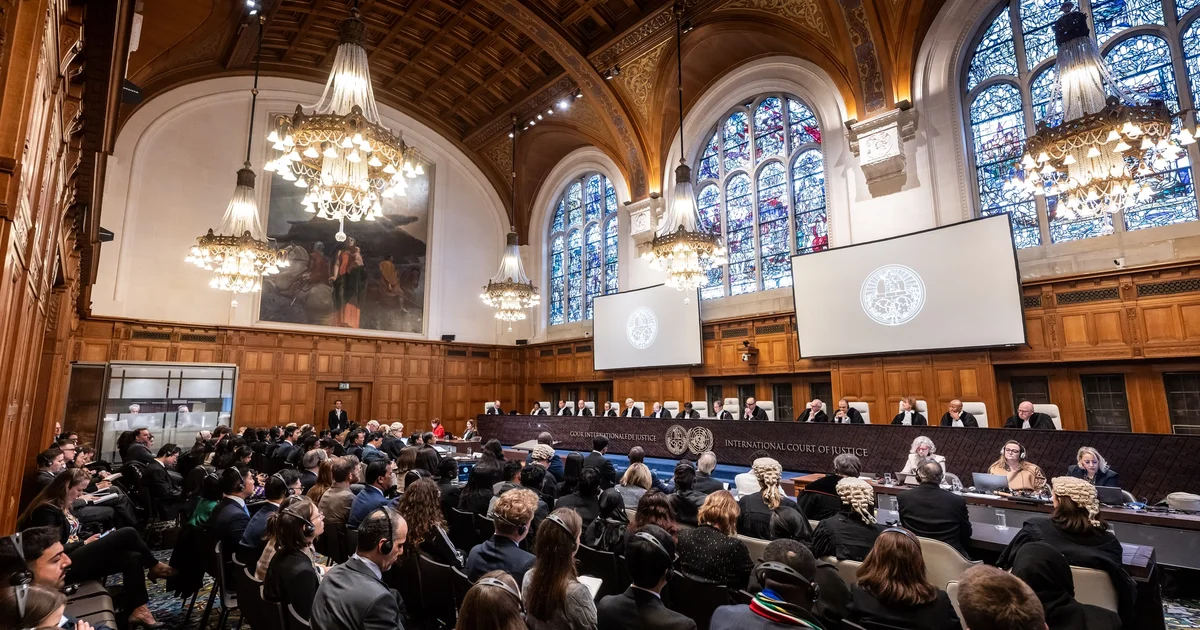
The Gambia has not built its case around formal famine declarations or technical food-security thresholds. Instead, it relies on the Genocide Convention’s own language of “conditions of life”. That distinction could prove transformative. Formal famine declarations depend on humanitarian access, nutritional surveys and reliable data – precisely the conditions that perpetrator states can obstruct. If genocide is recognised only after famine is officially declared, governments could evade responsibility simply by blocking aid, suppressing evidence and preventing independent monitoring. The question is whether authorities intentionally manipulated the systems on which a protected group’s survival depends.
If the ICJ gives meaningful effect to Article II(c), it will do more than advance justice for the Rohingya. It will revise the Convention’s forgotten clause and modernise genocide law for an era in which destruction is increasingly carried out not only through bullets, but through the systematic weaponisation of hunger.
For ASEAN, the lesson is equally clear. Starvation, forced displacement and the destruction of livelihoods are not merely humanitarian consequences but warning signs of atrocity crimes, recognising this is essential if ASEAN is to move from managing crisis to preventing atrocities.















Leave a comment