


The latest flashpoint in this drive towards centralisation is in Afghanistan’s northeastern province of Badakhshan, where a drawn-out struggle over local power, critical minerals and competing external interests came close to erupting into armed conflict. The crisis came to a head in early July, when a powerful local commander was detained (Opens in new window) by the Taliban and released only after a public pledge of loyalty. A confrontation that could have spilled into civil war was averted, at least for now.
Badakhshan borders China, Pakistan and Tajikistan, and contains some of Afghanistan’s richest mineral deposits, including gold, lead, zinc and gemstones. The province has become a growing focus as the Taliban seeks to expand mining (Opens in new window) and supporting infrastructure, attract foreign investment, and turn Afghanistan’s resource riches into the foundation of political and economic power.
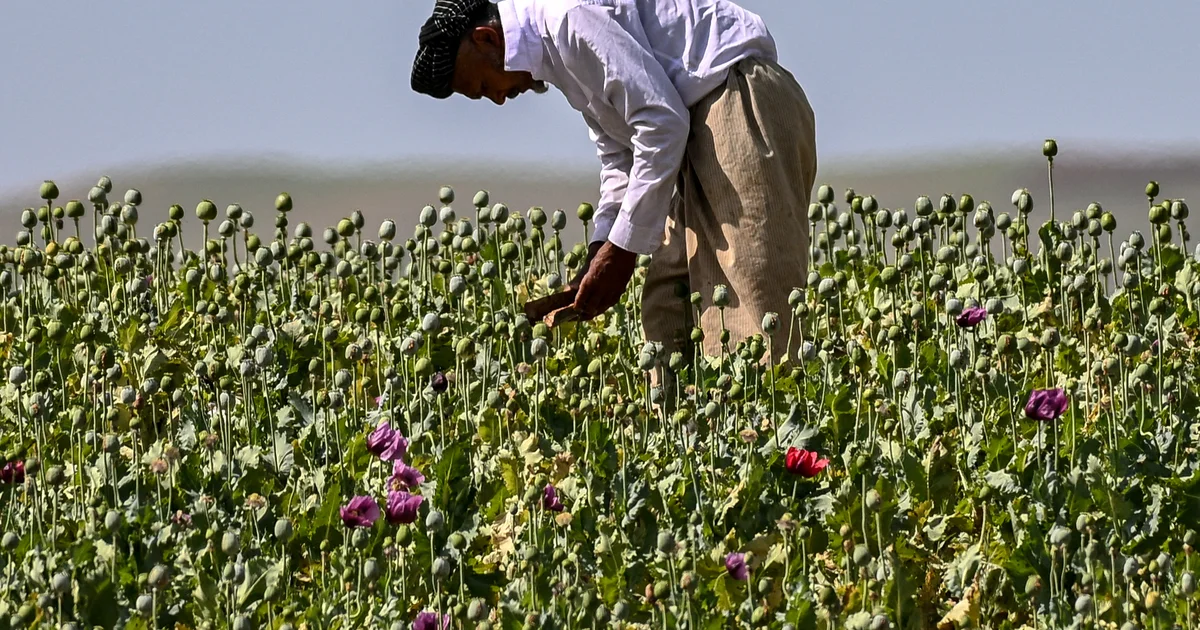
This has intensified local grievances (Opens in new window). Clashes have erupted over the displacement of poppy farmers, the expansion of mining concessions onto agricultural land, diversion of water to mining sites, unequal distribution of revenues, and the growing presence of Chinese (Opens in new window)nationals. These disputes have coalesced into a broader struggle for control of the province itself.
At its centre are local Tajik strongman Juma Khan Fateh and Haji Bashir Noorzai, one of the Supreme Leader’s most influential political allies and the Taliban’s principal economic strategist. Their struggle has been presented as a dispute over lucrative gold and gemstone mines. It also illustrates how the Taliban is attempting to neutralise and replace local power structures with central control.
Mining has provided the catalyst, but it is not the cause. In the years leading up to the collapse (Opens in new window) of the Afghan republic in August 2021, the remit of the Western-backed government was undermined by corruption, weak institutions and its own inability to govern beyond the major cities. The vacuum was filled by commanders, businessmen and criminal enterprises (Opens in new window), who often worked together to establish systems of authority independent of Kabul.
Five years later, the Taliban leadership is attempting to reclaim control over the country’s principal sources of wealth: drugs and mining. In Badakhshan, that has collided with entrenched local interests, like Juma Khan Fateh, with deep roots, armed followers and little incentive to surrender quietly.















Leave a comment