


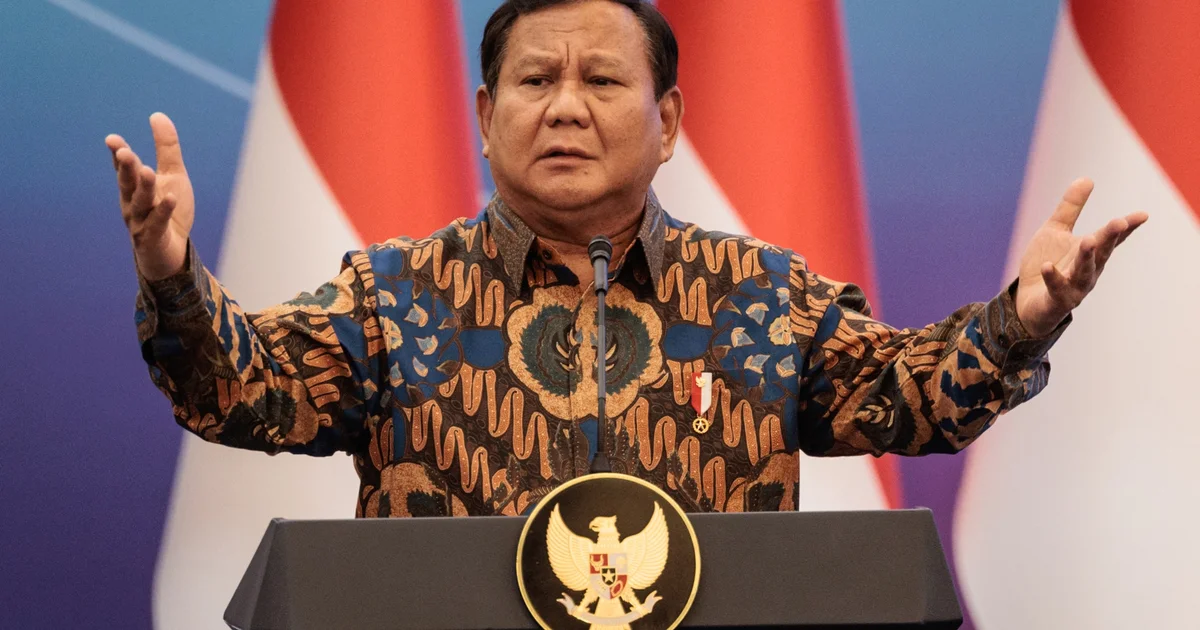
The fix is not complicated, and it does not require resolving whether the President travels too often. It requires publishing, after every trip, a simple scorecard: how much announced investment has been disbursed, which agreements have moved into implementation, and which have lapsed. It could cover how many jobs have been created, what technology transfer has taken place, what the trip cost the state and whether any of it was covered personally, as claimed. All this can include a public timeline, with named ministries responsible.
Indonesia already has the infrastructure to build such a report. BKPM, the country’s investment coordinating board, tracks how much pledged investment is realised. Danantara, the sovereign wealth fund Prabowo launched to convert pledges into projects, exists for exactly this purpose. The Foreign Ministry keeps records of agreements, and Finance already accounts for travel budgets.
What is missing is not data, but a habit of publishing it – a standing rule that the numbers, and the costs, announced on departure are matched, on a fixed schedule, by figures published on return.
There is a straightforward accountability case for this. Foreign trips consume presidential time, cabinet attention and travel budgets that could go elsewhere, whatever the right frequency of travel turns out to be. If Prabowo’s government wants credit for active, personally led economic diplomacy – and it clearly does, given how quickly it reaches for pledge totals and cost assurances whenever critics raise doubts – it should be equally willing to be judged on delivery, and to have its cost claims checked rather than simply repeated.
Announcing a pledge, or a claim of personal frugality, and staying silent about the details invites the scepticism critics like Dino Patti Djalal have voiced. There is a diplomatic case too: Indonesia’s push for foreign investors to process raw materials domestically will only work if capital actually arrives and plants get built. Realisation data published against commitments would show which partners are following through – better leverage than a tally of ceremonial totals.
This is not an argument about whether Prabowo travels too often, or whether a president should cover any of his own official costs in the first place – those are genuine, separate debates. It is an argument that whatever the right answers turn out to be, the public should not have to take the government’s word for what each trip delivered, or cost. If the numbers hold up, the government has nothing to fear from publishing them. If they do not, the public has every right to know that too.









Leave a comment