


The result of this week’s US midterm elections does not tell Australia what Washington will do in the Indo-Pacific, but it does reveal two uncertain factors that will decide it. The two unknowns are whether a lame-duck president chases a deal with Beijing or chooses an economic and diplomatic fight with it, and whether the Democratic Party’s hawks or restrainers win the caucus fight over confronting China and paying for Indo-Pacific security.
Since there are two binary unknowns, there are four possible configurations of White House and congressional policy on the Indo-Pacific ahead of us.
On Tuesday, about three in four American voters told exit pollsters the Iran war was a crucial or major factor in their vote, and six in 10 called the war the wrong decision. Democrats will likely hold the most House seats they have had since 1993 and at least 54 in the Senate.
Ben Rhodes, Barack Obama’s deputy national security adviser, called the result a rebuke of the war and told his party to become the anti-war party. Joel Pollak, from the right, listed the administration’s achievements and concluded that voters punished one thing, diesel prices. Foreign policy expert John Hulsman warned that people would now put a complicated understanding on the result when in fact it was simple: a war of choice had caused an energy shock, and voters had punished Republicans for it. All three may be right about the voters. None of them knows what Washington does next.
Here is what we do grasp. The House will hold dozens of hearings, and the White House will fight every one. Democrats will try to impeach the president again. They will pass little that matters, the president will veto what gets through, and the caucus won’t agree on what it wants, anyway. The president’s domestic agenda, which faded over the past year, is finished. Iran, the rest of the Middle East and Ukraine will keep drawing American ships, munitions and attention, even though the president’s own national security strategy ranks both regions below the Western Hemisphere and Asia. The war the voters punished is the war that the strategy warned against. Remember 2006: Congress rebuked the Iraq war and the war ran for years longer. Congress can punish a war. Ending one is harder.
None of that is in doubt. Two things are, and they decide what Tuesday means for the Indo-Pacific.
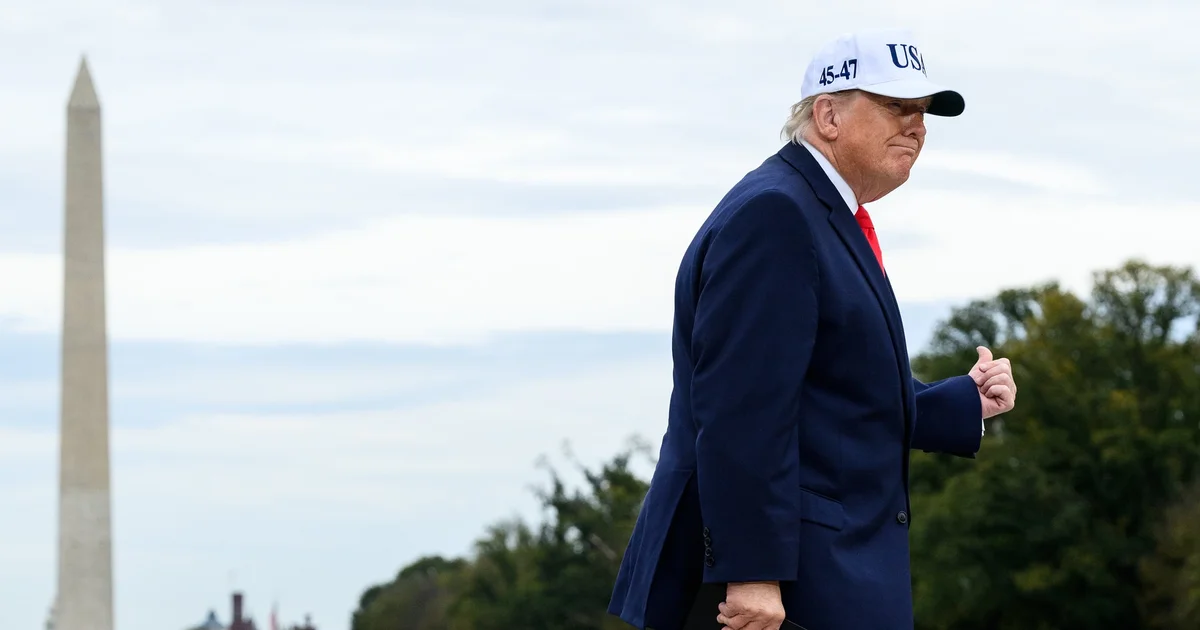
The first is what the president does with Beijing. Donald Trump cannot run again. His supporters have told him the lesson of Tuesday is to get fuel prices down. An economic and diplomatic fight with China would raise prices. That argues for a deal with Xi Jinping: US tariff relief and softer words on Taiwan in return for more summits and Chinese purchases of US goods. Trump didn’t draw the lesson, instead reckoning the war was worth losing an election for. And he has answered setbacks with escalation before. So both approaches to dealing with China are open.
The second thing that’s in doubt is whether a Democratic Congress that’s busy with oversight will pay for security in the Indo-Pacific. Democrats, like Republicans, are split on how much to spend there. One wing, anchored by sitting senators with years on the armed services and foreign relations committees, wants more money for the region, firmer law backing Taiwan arms sales, and an AUKUS submarine deal that the executive cannot re-price. The other wing, the restrainers, wants the money spent at home and fewer troops abroad. Its loudest voice in the House is Alexandria Ocasio-Cortez. On how much America should carry abroad, she and the vice-president, JD Vance, want much the same thing. The hawks hold the committee chairs. The restrainers hold the energy and the primary voters. Democratic hawks cannot alone pass their version of Pacific strategy. They need Republicans or Democratic restrainers, and the restrainers know it. The fight runs into 2028. Both parties now agree America should do less. Their nominees will have to say whether doing less stops short of the Pacific or runs through it.
So we have four possible combinations of White House and congressional Democratic stances:
- A Trump–Xi deal plus ascendancy of Democratic hawks means a White House bargaining with Beijing and a Congress fencing it in with law and money. Allies will get mixed signals, Canberra will work Capitol Hill harder than the White House, Beijing will step up probing of Southeast Asia and the Pacific islands, and American standing will slowly erode.
- A Trump–Xi deal plus ascendancy of Democratic restrainers starves the regional posture of support while hearings eat what is left of the majority’s attention. Japan, the Philippines and Taiwan will hedge openly, and Australia will ask whether to keep paying into a submarine program a transactional Washington might re-price.
- A combative Trump plus ascendancy of Democratic hawks spends in Guam, northern Australia and the Pacific islands, and sends envoys to Canberra asking for commitments on Taiwan that Australia has avoided making.
- A confrontational president plus ascendancy of congressional restrainers is tough talk with no money behind it. Allies see the gap before Washington does, and Beijing may test it.
I’d bet on the second one: the president deals and the restrainers win. They fight over Iran and over him; on the Pacific they agree, and the region loses advocates in Washington.
Three signposts will show which Washington arrives: whether a summit with Xi lands before or after the new Congress sits in January; how the first defence budget vote inside the Democratic caucus goes; and what the new committee chairs say first about Australia’s promised submarines.








Leave a comment