


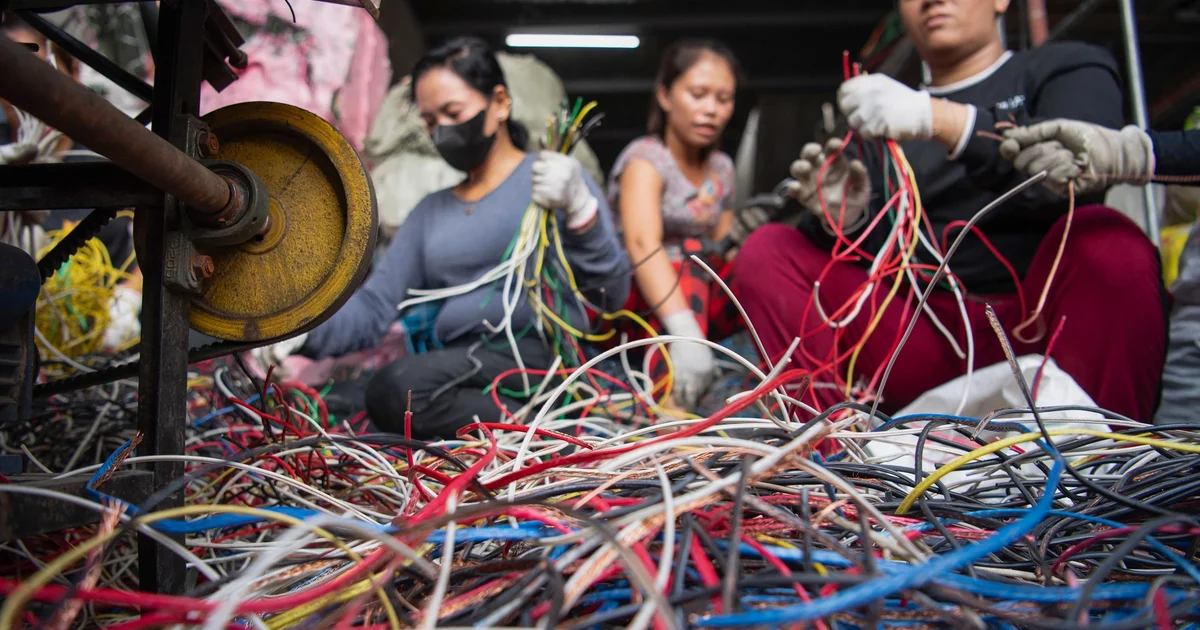
Southeast Asia’s largely successful economic development model is under intensifying pressure. The region is grappling with overlapping external shocks – from aid cuts and tariffs to the repercussions of the Iran war – alongside acute internal challenges, including worsening fiscal pressures, backsliding governance, and social unrest linked to inadequate formal job creation and a shrinking middle class.
This confluence is a reminder that the region’s resilience and continued development cannot be taken for granted.
Despite much economic progress over previous decades, official development finance (ODF) still plays a major role in key development sectors such as infrastructure, health, education, and social assistance, as well as supporting domestic policy reform.
This year’s Southeast Asia Aid Map (Opens in new window) finds that ODF to the region is in decline, hitting a decade low as bilateral donors are pulling back. Total ODF fell by 9.8% to $26.1 billion in 2024 (our latest year of comprehensive data), compared to $28.9 billion in 2023. Lowy Institute estimates suggest a further drop in 2025 of at least $800 million.
However, this headline projection masks increasing divergence between bilateral and multilateral sources.
In 2024, Japan oversaw the largest single reduction in ODF to the region, with its funding dropping by $1.5 billion. Decreases by other traditional bilateral donors in 2024, such as the United States, were offset by increases from others, such as Germany, so that overall spend by traditional bilateral donors fell a total of $1.1 billion. Yet ODF from traditional bilateral donors is projected to fall by at least another $1.8 billion in 2025 as multi-year aid budget cuts take effect.










Leave a comment