


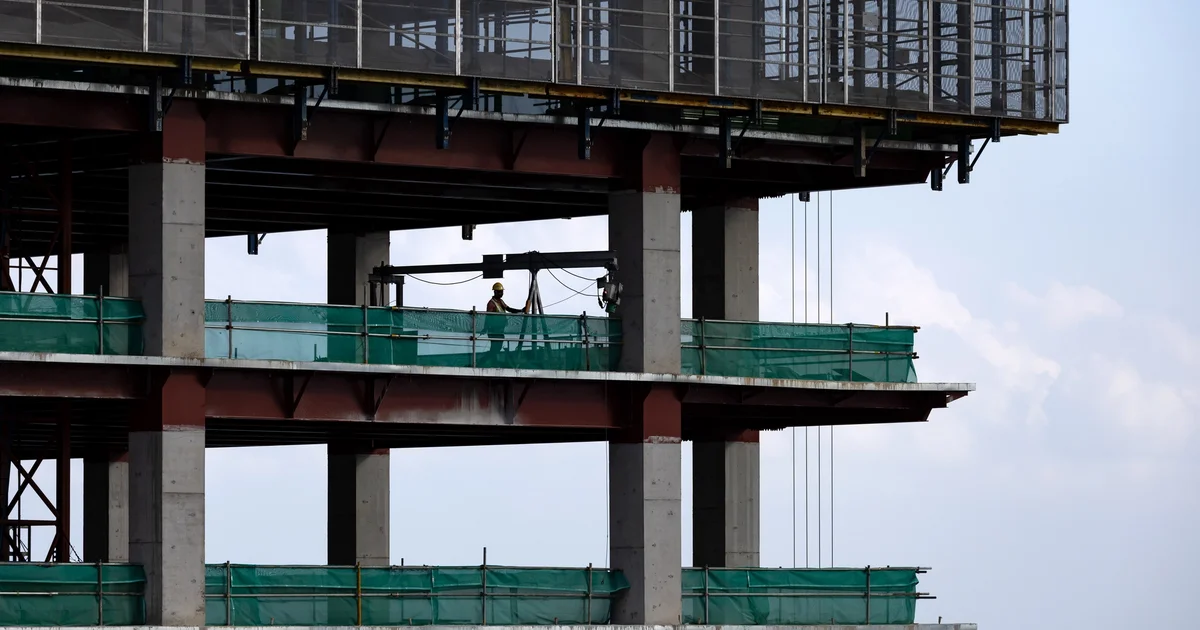
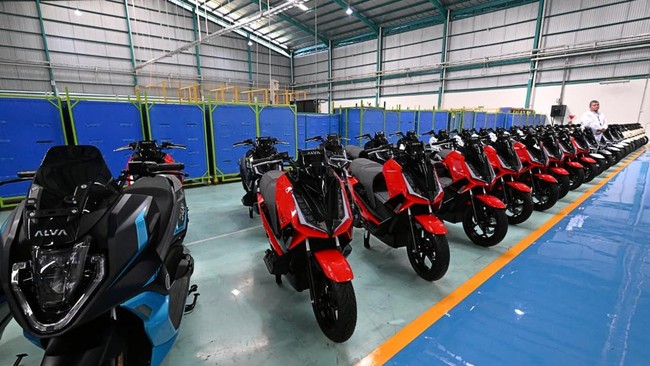
ASEAN is the clearest success. Vietnam, Malaysia, Indonesia and Thailand have become prominent hosts for new manufacturing projects. Since RCEP entered into force, investment from Northeast Asia into ASEAN has expanded sharply, accounting for roughly 80% of intra-RCEP greenfield investment in 2023 and 2024. China alone supplied more than half in both years.
An emerging division of labour is visible: China, Japan and South Korea provide capital, technology and industrial networks, while ASEAN increasingly hosts production and assembly. Yet the gains remain narrow. Manufacturing represented almost 90% of intra-RCEP greenfield investment in 2024, and a handful of economies captured most projects. RCEP has strengthened several investment corridors, not built a genuinely integrated investment network.
Changes in 2024 also show the limits of the agreement’s influence. Japan recorded its highest greenfield inflows between 2019 and 2024, helped by a weaker yen, government incentives and demand for secure semiconductor and green-energy capacity. Taiwan became the largest source of new greenfield investment into RCEP economies as its semiconductor firms expanded in Vietnam, Malaysia and Singapore.
RCEP’s geography clearly attracts firms. But exchange rates, subsidies, security concerns and supply-chain resilience are doing at least as much as its rules.
The larger warning is where Asian capital goes. From 2022 to 2024, only about one-fifth of outward greenfield investment from RCEP members remained within the bloc. The United States was the leading destination, while Brazil, Mexico and Morocco attracted firms seeking access to American and European markets.
This global diversification is commercially rational. But a mega-agreement should do more than consolidate existing supply chains. It should make the region a compelling location for the next factory, data centre, logistics network or clean-energy facility. RCEP is not yet anchoring enough of its members’ own capital in Asia.
Part of the problem is legal design. RCEP preserves host governments’ regulatory autonomy, defines covered investments through domestic law and omits the more ambitious labour, environmental, state-owned enterprise and digital disciplines found in the Comprehensive and Progressive Agreement for Trans-Pacific Partnership (CPTPP). It also lacks investor-state dispute settlement, relying instead on state-to-state procedures and a work program to revisit investment disputes.
That caution made agreement among 15 diverse economies possible. But it has produced stability without sufficient practical facilitation or institutional machinery.














Leave a comment