


Historically, automation was the first step to autonomy. During the American Civil War, Richard Gatling’s innovative loading and firing automation produced the Gatling gun capable of shooting 300 rounds per minute, while rifled muskets managed only three rounds. Direct automation in weapons had begun.
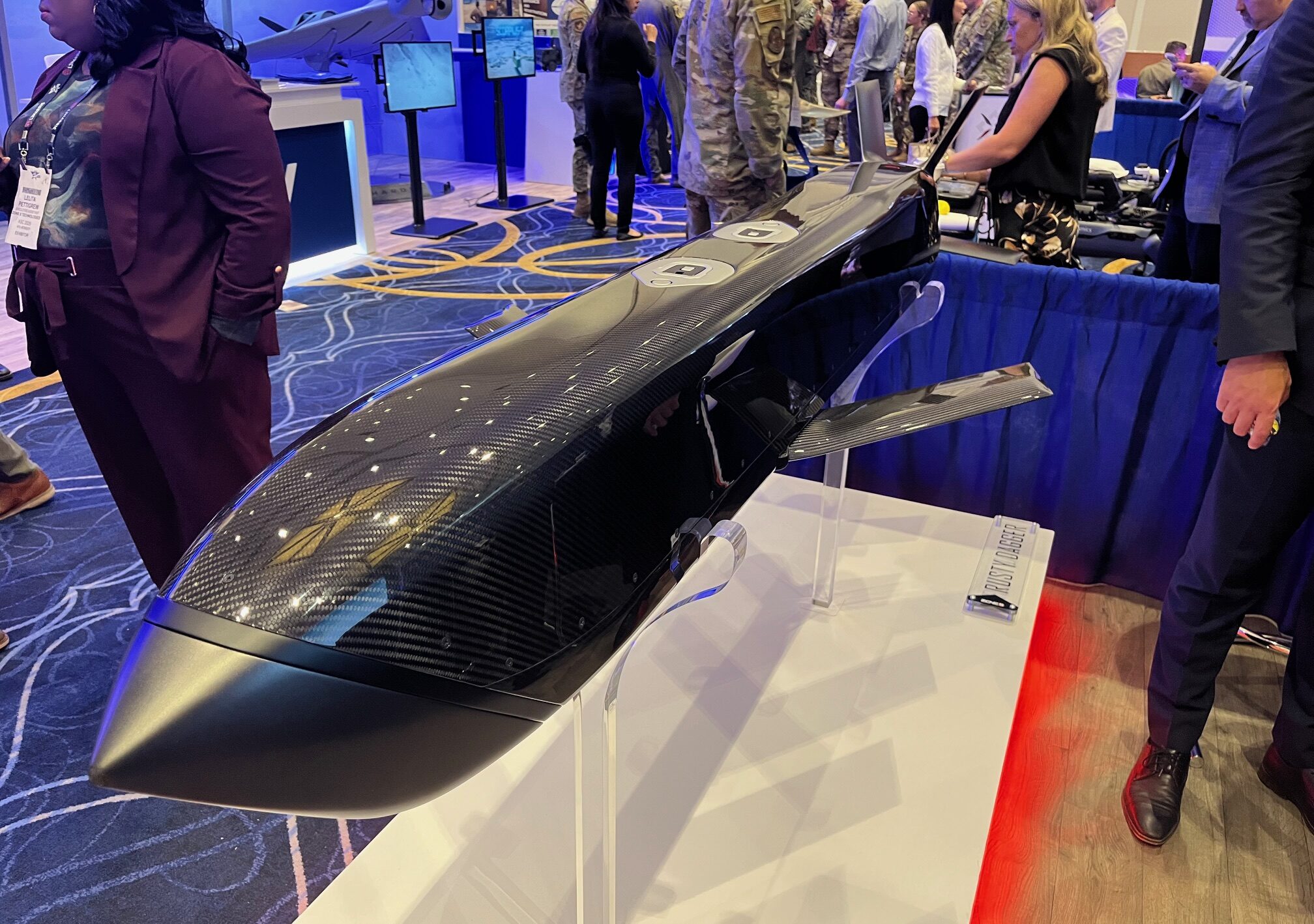
Armed drones and automation first proved their usefulness on a reasonable scale in counterinsurgency wars in Iraq and Afghanistan. The crucible of conflict birthed its own brute weapons.
Proponents of autonomous weapon systems argue that such technologies can make war more humane. They can be trained to avoid civilian casualties, machines never tire and are emotionless and cold. Rage or revenge does not affect a robot. Plus, the reduced human workload and greater cost efficiency are other factors.
Naysayers, on their part, note that ethical and moral considerations should triumph over cold agentic calculations. Distinguishing between civilians and fighters requires contextual judgement, and algorithms cannot be left to calculate the force of firepower. Technical difficulties might emerge as well. Agentic autonomous weapons systems can be fed the wrong data, might display severe misalignment, or be manipulated by adversaries. More drastically, in an AI arms race, states competing for supremacy and first-mover advantage will not pay adequate attention to safety and technical regulations. US President Donald Trump has said he is creating an “AI Force” modelled (Opens in new window) on the US military’s Space Force.
That brings us to deterrence. How will AI and automation affect how countries calculate whether the costs of conflict are worth it? Former Pentagon official Michael Horowitz sketched (Opens in new window) an imaginary alternative version of the Cuban missile crisis. What if the US ships conducting the naval blockade had autonomous weapons? The algorithm would be trained such that it would automatically fire at Soviet ships breaking the blockade. If the Soviets could be plausibly warned of this earlier, it would put the onus of conflict directly on Soviet shoulders. Would this lead to greater deterrence? In theory, yes, perhaps.
The problem, Horowitz believes, would arise in how to persuasively communicate to the Soviets that autonomous weapons were truly deployed. Moscow could think that the other side was bluffing. The same could be said if the Soviets deployed autonomous ships to Cuba and had to make the Americans believe it. Another issue here could be technical failure and the prospect of accidental firing. Who would be accountable if machines fail?
Questions around AI, autonomy, and deterrence are knotty dilemmas. Humans might not be as efficient as agentic machines, yet we can grasp the bigger picture and see from the perspective of an opponent. That ability to step back from the precipice and fathom the consequences of our own actions is the heart missing from the machine.











Leave a comment