


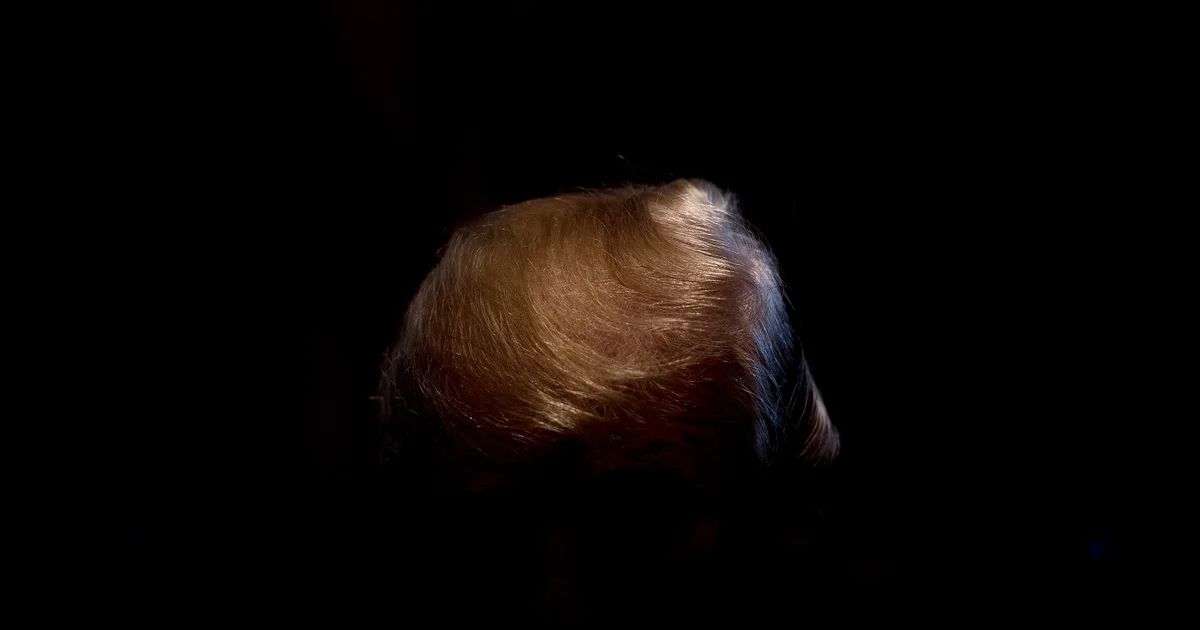
While policy objectives can explain why a tariff is employed (e.g. it creates revenue for government; it protects certain favoured industries), policy can’t explain why tariffs would be imposed, removed, reduced, increased, and reduced again.
Only the leader’s behavioural profile can help explain the unstable way tariffs are used. How that leader treats advice that contradicts their tariff preferences, whether resistance to tariffs produces compromise or escalation, and whether a stable outcome with a trading partner matters less than a visible victory will all shape the way the leader uses their discretion to impose trade measures. This is where psychology enters economic analysis.
Personalised policy thus creates another element of uncertainty. Businesses and governments must forecast not only economic conditions but the policymaker. Policy risk concerns different outcomes under known rules. Policy uncertainty arises when the rules may change. Psychological uncertainty goes further; whether and how the rules change depends on the response of one powerful individual.
That uncertainty is itself macroeconomic. A tariff raises prices but personalised tariff-making changes expectations, delays investment and redirects resources towards access and hedging. The study of leadership psychology does not replace the analysis of interests, incentives and institutions but its importance rises as authority becomes concentrated, institutional challenge weakens and the instruments under a leader’s control acquire greater economic reach.
For Australia and other Indo-Pacific economies, this changes the meaning of external risk. Exposure depends not only on trade shares, shipping routes and alliance commitments but on how much discretion foreign leaders possess and how they exercise it. Economic and strategic analysis must therefore examine recurring behaviour alongside interests, institutions and capabilities.
Until credible new guardrails emerge, economic actors will adjust at significant cost. Firms will preserve optionality, diversify supply chains and hesitate before making irreversible investments. Households will build precautionary buffers. Indo-Pacific governments will hedge relationships that once rested on durable economic and security commitments. These responses may be individually rational, but collectively they will reduce investment, productivity and growth.
There is a further danger: this adjustment may become self-reinforcing. Lower investment and weaker growth deepen the dissatisfaction that brought disruptive leaders to power, eroding support for institutional restraint. Psychology enters the economy not as a temporary shock, but as part of a cycle of political and economic instability.












Leave a comment